










Most players spend their practice time on dinks and third shot drops and barely touch the serve. That's a mistake.
The serve is the only shot in the entire rally with no opponent dictating pace or timing, which makes it the easiest shot to actually improve fast.
These pickleball serve drills target accuracy, depth, and consistency, so your serve stops giving away free points and starts winning them.
- The serve is the only shot you fully control, with no opponent dictating pace.
- Target-based drills build placement, while deep serves push opponents off the baseline.
- Consistency drills matter more than power drills for most club-level players.
- Connect your serve to your next shot in practice, not just the serve alone.
- 15 to 20 minutes of focused serve practice, two to three times a week, is enough to see real gains.
Understanding Pickleball Serving Rules and Fundamentals
Before practicing advanced drills, you must ensure your serving movement pattern complies with official USA Pickleball rules. Hitting an illegal serve results in an immediate loss of serve.
LEGAL SERVE MECHANICS:
- Upward paddle arc motion at contact
- Contact point BELOW the waist (navel)
- Highest paddle head point BELOW the wrist joint
Official Serving Rules to Keep in Mind
- Underhand Stroke Motion: The arm must move in an upward arc when hitting the ball.
- Waist Height Contact: Contact with the ball must occur below waist level.
- Paddle Head Position: The highest point of the paddle head must not be above the highest part of the wrist joint at contact.
- Volley Serve vs Drop Serve: On a volley serve, you drop the ball from your hand and hit it before it touches the ground. On a drop serve, you drop the ball and let it bounce on the court floor before striking it.
Core Serving Mechanics
- Stance and Base: Stand behind the baseline in a balanced semi-open stance with your non-dominant foot forward.
- Weight Transfer: Shift your body weight from your back foot to your front foot as your paddle moves forward.
- Smooth Follow-Through: Finish your swing with the paddle moving low to high, ending near your opposite shoulder.
9 Pickleball Serve Drills to Win More Points

- Target Cone Placement Drill. Set cones in each corner of the service box: deep corners, sideline edges, and the kitchen line T. Serve toward a different target each rep and track how close you land.
- Deep Serve Push-Back Drill. Practice landing serves between the 10-foot line and the baseline. Deep serves force your opponent to hit their return from farther back, giving you more time to advance.
- Serve Consistency Streak Challenge. Start with 10 points, subtract one for each good serve, and add one for each miss. Try to reach zero. This builds accuracy under a bit of mental pressure.
- Forehand vs Backhand Corner Drill. Split the service box in half and alternate serving to the forehand side, then the backhand side. Note which corner gives you more trouble and drill it separately.
- Toss Control Drill. If your serve style uses a toss, practice tossing the ball without hitting it, aiming for it to land back in your hand. A clean toss is the foundation of a consistent serve motion.
- Serve Plus Third Shot Drill. The serve alone doesn't win the point, the sequence after it does. Serve, have a partner return, then play out your third shot drop to connect the two shots.
- Pressure Serve Simulation. Simulate serving for match point. Set a scoreline in your head and serve as if the point actually matters. This builds the composure that casual repetition can't.
- Spin Variation Drill. Using the same target drills above, add topspin, sidespin, or backspin through your paddle angle and swing path. This keeps returners from settling into a rhythm against you.
- Down-the-T Drill. Practice serving straight down the middle line of the service box. A serve down the T can confuse doubles opponents about who should take the return.
| Drill | Primary Focus | Equipment |
|---|---|---|
| Target Cone Placement | Accuracy | 4 cones or markers |
| Deep Serve Push-Back | Depth | None |
| Serve Consistency Streak | Consistency under pressure | None |
| Serve Plus Third Shot | Rally connection | Practice partner |
| Spin Variation | Unpredictability | None |
Every legal pickleball serve must be underhand, with contact below your waist and an upward arc through the ball. Drilling placement and depth still has to happen inside these rules, so build good habits from the very first rep.
Avoid These Common Pickleball Faults During Drills
- Only drilling power. A fast serve that misses the box gives away a free point. Depth and placement matter more than raw speed.
- Serving to the same spot every time. Predictable serves let opponents anticipate and set up early.
- Skipping the toss. An inconsistent toss throws off contact point and accuracy on every rep.
- Never practicing under pressure. Casual repetition builds mechanics but not composure for match situations.
- Treating the serve as separate from the rally. A great serve still needs a plan for the third shot that follows it.
Frequently Asked Questions
How often should I practice pickleball serve drills?
What makes a pickleball serve effective?
Should I drill serve placement or serve power first?
How do I practice serve drills without a partner?
What's a legal serve in pickleball?
The serve is the one shot in pickleball you fully control, which makes it the fastest place to see real improvement. Work through these pickleball serve drills consistently, track your placement and depth, and your serve will start winning points instead of just starting them.
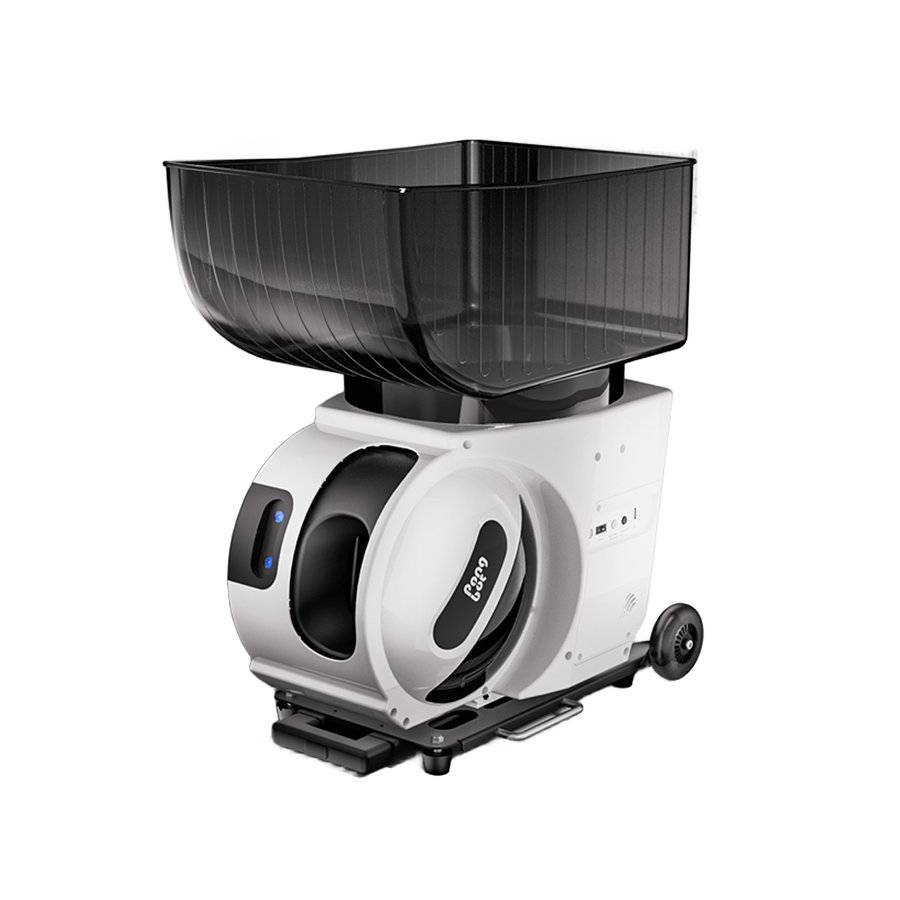
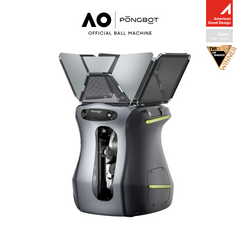
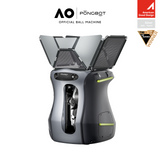
Build focused tennis sessions with smart, repeatable ball feeds.
View Product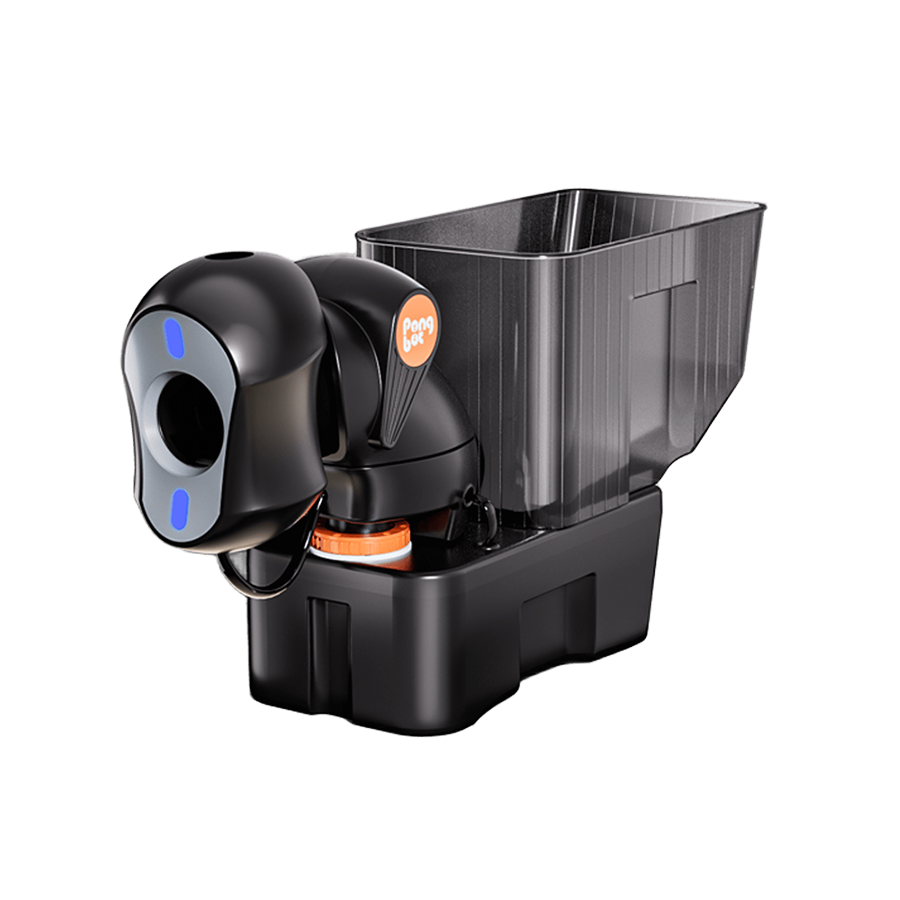
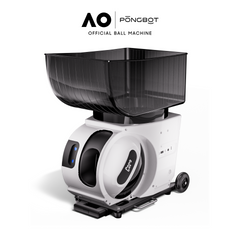
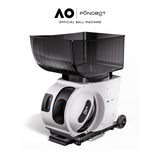
Practice table tennis drills with consistent and adjustable feeds.
View Product
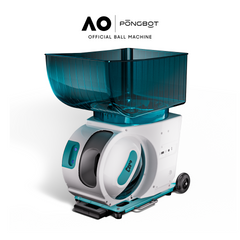
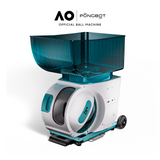
Train your timing, placement, and reactions with repeatable feeds.
View Product
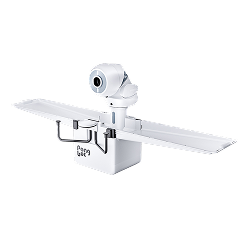
Collect tennis and pickleballs faster between practice rounds.
View Product


