











Most players learn how to dink in pickleball as a wrist motion. That's only half the picture. A dink is a decision, not just a swing. Where you place it, how long you wait, and when you break the pattern decide who wins the point.
This guide covers the strategy side of dinking, the part that separates 3.5 players from 4.0 players.
- A dink is a soft shot into the non-volley zone meant to force a weak pop-up, not to win the point outright.
- Cross-court dinks give you the most margin for error because the net is lowest in the middle.
- Aim at your opponent's feet or backhand to make attacking difficult for them.
- Patience wins dink rallies. Most points are lost by attacking too early.
- Good kitchen positioning after your third shot drop sets up every dink that follows.
What Dinking Actually Does in a Rally

A dink is a soft, arcing shot hit from the non-volley zone into your opponent's kitchen. The goal is to keep the ball low so they can't attack it. This forces them to hit up, which eventually gives you a ball you can put away.
Dinking isn't defense. It's a slow, controlled way to earn an advantage. Every dink you hit is a small test of your opponent's patience and footwork.
Once both teams reach the kitchen line, most rallies turn into a dink battle. Whoever breaks first, either by rushing a shot or hitting too high, usually loses the point.
How to Dink in Pickleball Without Popping Up?
To dink in pickleball without popping up, execute a soft, controlled stroke from your shoulder while keeping your wrist firm and grip relaxed.
Lift the ball gently in a low-to-high arc so it clears the net tape by only a few inches and lands inside the opponent's non-volley zone (kitchen).
Avoid wrist flicking, hitting the ball behind your body, or reaching across your feet.
Proper dinking forces opponents to lift the ball upward, giving your team control of net exchanges.
Cross Court Dinks vs Straight Dinks
Where you send the dink matters as much as how you hit it. Two placements dominate at every skill level: cross-court dinks and straight-ahead dinks.
Cross Court Dink

A cross-court dink travels diagonally to the opposite kitchen. It crosses the lowest part of the net and covers a longer, wider target area. Most club and pro players default to cross-court because it carries the least risk.
Straight Dink

A straight dink goes directly across from you. The net is higher there, and the court is shorter, so there's less room for error. Use it to change direction and catch your opponent leaning the wrong way.
| Dink Type | Net Height | Risk Level | Best Use |
|---|---|---|---|
| Cross-court dink | Lowest point of net | Low | Neutral rallies, resetting tempo |
| Straight (down-the-line) dink | Higher, closer to posts | Higher | Changing direction, catching opponents off balance |
| Middle dink | Low-to-moderate | Moderate | Causing confusion over who takes the shot |
Where to Aim Your Dink
Random placement wastes a good dink. Aim with a purpose every time.
Dinking to the Feet
A dink that lands near your opponent's feet is hard to attack. They can't get their paddle out in front of the ball, so most feet-dinks force another soft return.
Dinking to the Backhand
Most players have a weaker backhand than forehand. Repeated backhand dinks wear down their consistency over a long rally.
Dinking Down the Middle
A dink to the middle of the court often causes doubles partners to hesitate. Neither player is sure who should take it, and that split second is your opening.
Dink Rally Patience and Reading the Pop-Up
The biggest mistake in a dink rally is rushing. Players get impatient after five or six shots and try to force a winner too early.
Wait for a ball that sits up above the net with no downward angle. That's your attackable pop-up. Anything lower or falling should get another patient dink back.
Counting your dinks in practice helps build this patience. Aim for 10 in a row before you even think about speeding one up.
Kitchen Line Positioning After the Third Shot Drop
Dinking strategy starts before the dink rally even begins. Your third shot drop should be soft enough that your opponent has to hit up, giving you time to reach the kitchen line.
In doubles, both partners need to arrive at the kitchen together. If one player lags behind, a gap opens down the middle that opponents will target immediately.
Once you're both set at the line, the dink battle becomes about who holds position and who gets pulled out of it first.
| Situation | Recommended Dink | Why |
|---|---|---|
| Neutral rally, no advantage yet | Cross-court | Lowest risk, keeps rally alive |
| Opponent leaning off balance | Straight or middle | Exploits open court space |
| Opponent has weak backhand | Repeated backhand dinks | Breaks down consistency over time |
| Ball sits up above net height | Attack, don't dink | This is the pop-up you waited for |
Most Common Pickleball Dinking Mistakes
Even players with good technique lose dink rallies for strategic reasons.
- Dinking without a target. Aimless dinks eventually land somewhere attackable.
- Attacking too early. Speeding up a ball that isn't a true pop-up usually ends in an error.
- Standing flat-footed. Not moving your feet to each dink leads to reaching and popping the ball up.
- Dinking to the same spot every time. Predictable placement lets opponents anticipate and attack.
- Lagging behind your partner. Falling behind at the kitchen line opens the middle to attack.
Frequently Asked Questions
Is a dink offensive or defensive in pickleball?
A dink is neither purely offensive nor defensive. It's a control shot. The purpose is to keep the ball low and force your opponent to hit upward, which slowly builds toward an attackable ball. Players who treat dinking as only defense tend to rush out of rallies too early. Treating it as a patient, strategic tool wins more points over time.
How do you dink cross court in pickleball?
Stand near the kitchen line, aim diagonally toward the opposite kitchen, and use a short, controlled swing with an open paddle face. Cross-court dinks travel over the lowest part of the net, giving you a wider, safer target. This makes them the default shot during neutral rallies. Most points at higher levels are built on repeated cross-court dinks before a direction change.
What's the difference between a dink and a drop shot?
A dink is hit while you're already at or near the kitchen line, during a rally. A third shot drop is hit earlier, from the baseline or mid-court, to get you into the kitchen. Both shots share the same goal of landing softly in the non-volley zone. The difference is simply where you're standing when you hit it.
How long should a dink rally last before attacking?
There's no fixed number, but patience beats a quick decision almost every time. Wait for a ball that sits above the net with no downward path before you speed it up. Many club players lose points by attacking on the sixth or seventh shot out of impatience. Practicing 10-shot dink rallies builds the discipline to wait for a real opening.
Where should you aim your dink in doubles?
Target the feet, the backhand, or the middle between both opponents. Feet-dinks are hard to attack, backhand dinks exploit a common weakness, and middle dinks create confusion over who should take the shot. Mixing these three placements keeps opponents from settling into a comfortable rhythm during the rally.
Conclusion
Learning how to dink in pickleball strategically, not just technically, changes how you win points.
Place your dinks with purpose, hold your patience, and wait for a real pop-up before you attack. That combination controls the kitchen far more than raw technique alone.
-----
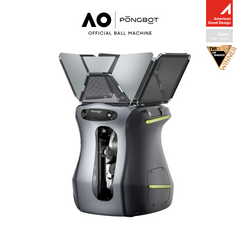
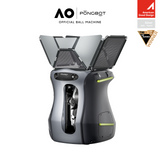
PongBot is developing Aura, a multi-sport training robot built to feed tennis, pickleball, and padel from a single machine, with a pickleball mode tuned specifically for dinks, third-shot drops, and kitchen placement.
It's currently available through a reservation deposit ahead of its full launch, not yet shipping, so it's one to keep an eye on rather than buy today if consistent, machine-fed dink reps are what you're after.
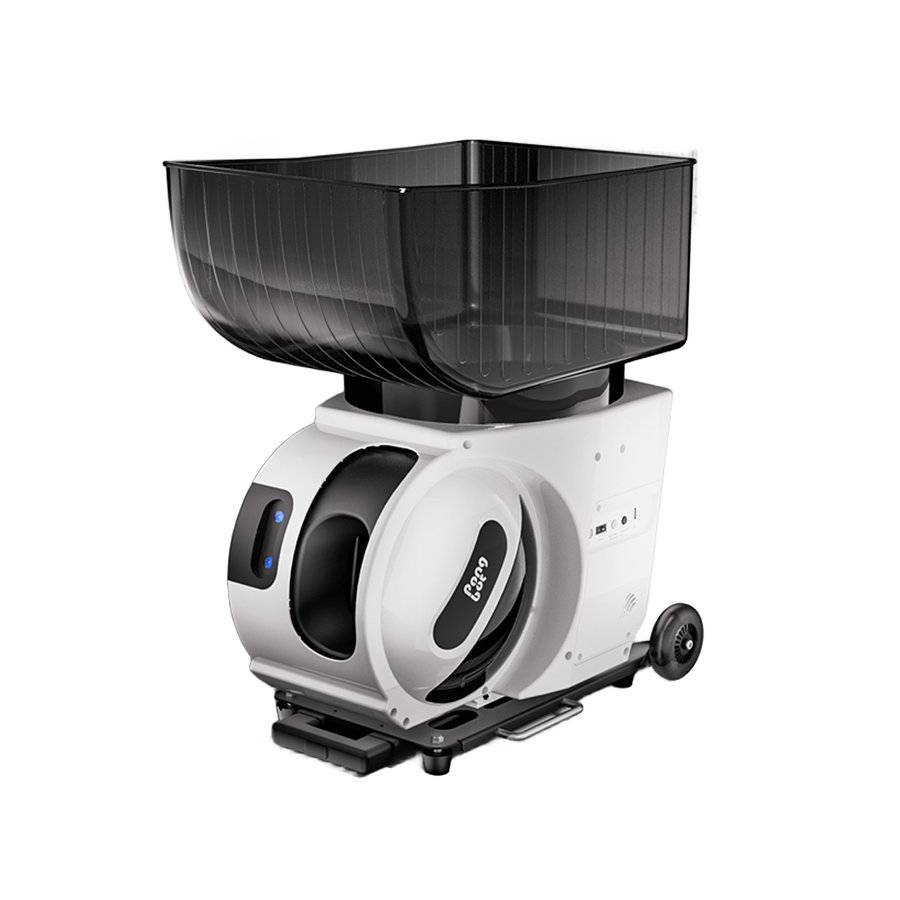
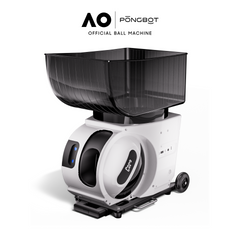
Build focused tennis sessions with smart, repeatable ball feeds.
View Product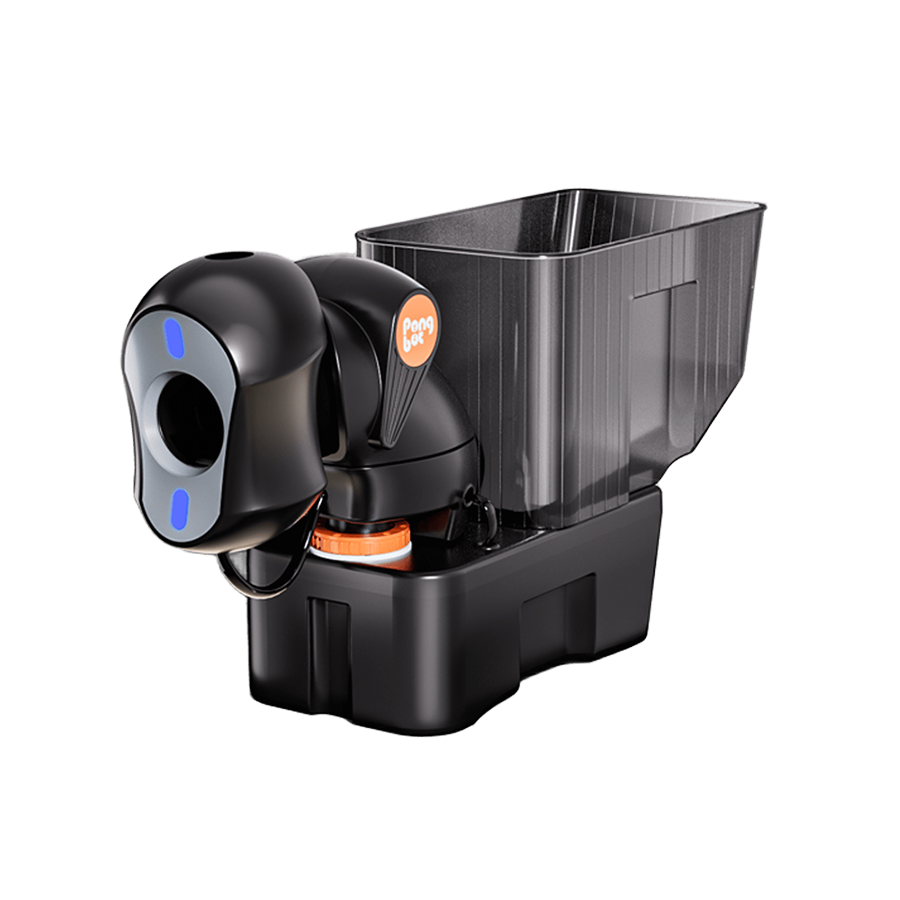
Practice table tennis drills with consistent and adjustable feeds.
View Product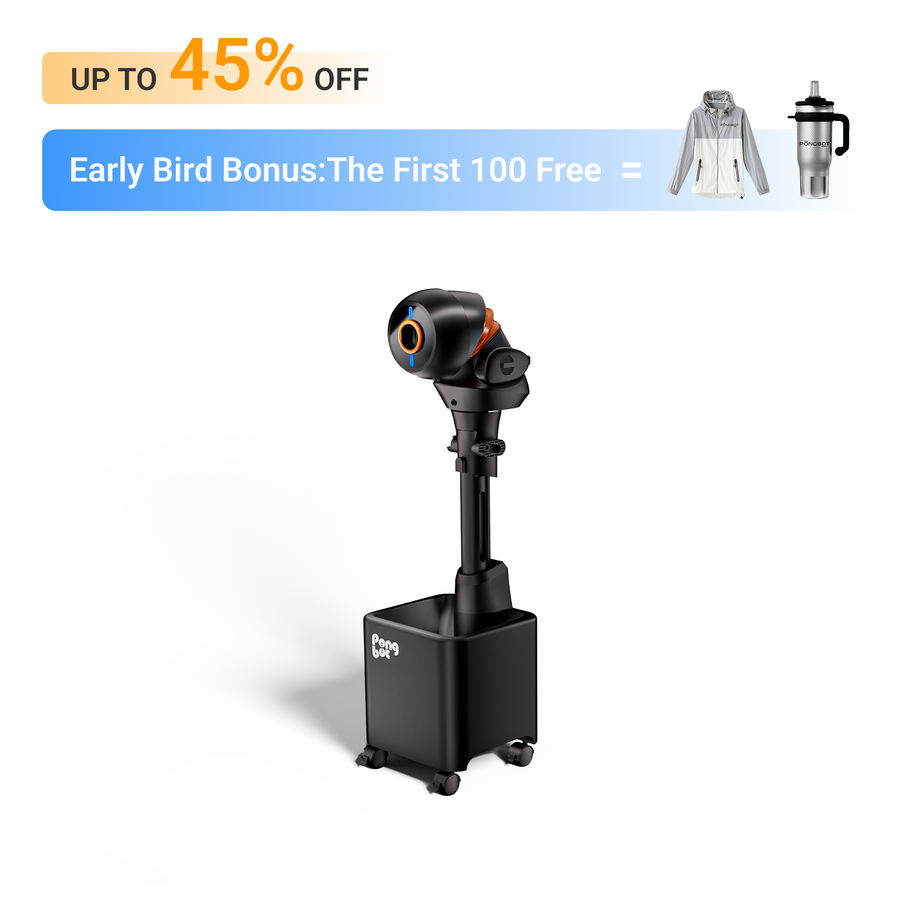
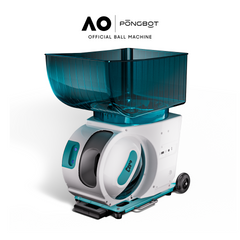
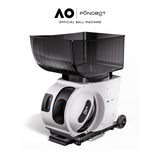
Train your timing, placement, and reactions with repeatable feeds.
View Product
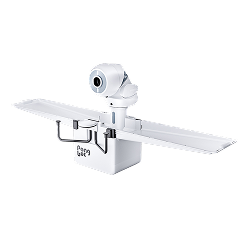
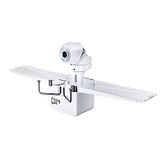
Collect tennis and pickleballs faster between practice rounds.
View Product


