










Table tennis just got a serious upgrade, and it isn't about faster paddles or bouncier balls.
AI table tennis robots are changing how players train at home and in clubs, delivering consistent rallies, adjustable drills, and a workout that doesn't need a partner. Whether you're coming from tennis, pickleball, or you're already hooked on fast rallies, the right table tennis training accessories and a solid robot can genuinely move your game forward. Here's what these machines actually do, which 2026 models are worth your money, and whether the hype holds up.
- AI table tennis robots offer adjustable, structured training for every skill level
- They build consistency, timing, and reaction speed through realistic, repeatable drills
- They're built for solo practice at home, or for structured sessions at a club
- Spin control and placement matter far more than the word "AI" on the box
- PongBot's Nova, Omni, and Halo S Pro robots cover entry-level through advanced training
What an AI Table Tennis Robot Actually Is
AI table tennis robots go well beyond basic ball machines. They're built for smarter, more dynamic training that feels a lot closer to a real rally.
Most home-use robots today are programmable rather than fully autonomous. They're designed around structured drills, not independent decision-making, and that's exactly what makes them useful for repetition-based skill building.
What It Actually Does
These robots fire balls with varied speeds, spins, and placements to simulate real rallies. That lets you drill forehands, backhands, and footwork without a single interruption.
The goal is repetition with just enough variation that your hands and feet stay sharp instead of memorizing one predictable pattern.
AI Robot vs a Standard Ball Machine
A standard ball machine delivers the same shot over and over. A smart robot introduces real variation in spin, speed, and placement, which makes practice more engaging and closer to what you'll actually face in a match.
Can It Really Play Like a Human?
No robot fully replicates a human opponent, but a good one simulates realistic shot patterns and keeps a rally alive while it challenges your reaction time. Think of it less as a rival and more as a training partner who never cancels on you.
How AI Table Tennis Robots Perform

These machines are built to support players across every skill level. Their real strength is consistent, controlled repetition you can dial up as you improve.
Training and Adaptability
Most robots let you adjust speed, spin, and placement on the fly. Higher-end models add deeper drill customization, which matters once you outgrow the basics.
Match-Like Training Experience
Varied shot placement and spin create a training experience that feels closer to a real opponent. That helps you sharpen reaction speed and table positioning before you ever step into a match.
Skill Levels They Support
- Beginners learning basic strokes and timing
- Intermediate players building consistency under pressure
- Advanced players refining speed, spin, and precision placement
Key Features to Look For
Core Features Comparison
| Feature | What It Does | Why It Matters |
|---|---|---|
| Spin control | Adjusts topspin, backspin, and sidespin | Simulates real match conditions |
| Speed settings | Controls ball delivery speed | Matches your reaction level |
| Ball placement | Targets different table zones | Improves footwork |
| Drill modes | Pre-set or fully custom routines | Keeps practice structured |
Smart Training Capabilities
Some robots add app control and programmable drills. Most systems marketed as "AI" are actually rule-based rather than truly adaptive, and that's fine. Rule-based training is still highly effective when the drill library is deep enough.
Setup and Portability
Home users should look for quick setup and a compact footprint. Portability matters most if you plan to move the robot between rooms, or pack it for a trip to the club.
Best AI Table Tennis Robots in 2026
Here are three real, currently shipping options that cover the range from portable entry point to full advanced training rig.
| Robot | Best For | Max Spin | Drills | Price |
|---|---|---|---|---|
| Nova S Pro | Portable, backpack-friendly training | Up to 60 r/s | 264+ | $299.99 |
| Omni S Pro | Clip-on serious solo reps | Up to 100 r/s | 522+ | $1,099.99 |
| Halo S Pro | Full-table advanced footwork | Up to 100 r/s | 702+ | $1,499.99 |
Nova S Pro: Best Portable Entry Point
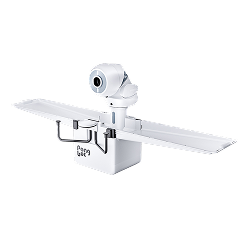
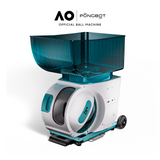
Nova S Pro fits in a backpack yet loads 150-plus balls, with 9 spin variations and 264-plus built-in drills. It's the easiest way to get a real robot on the table without committing to a permanent setup.
Omni S Pro: Best Mid-Range Clip-On
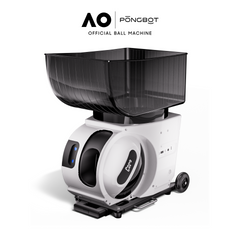
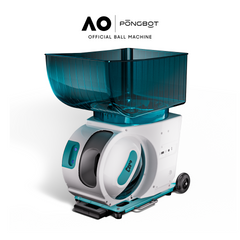
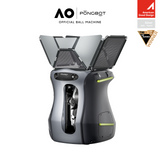
Omni S Pro clamps directly onto the table and steps up to 360-degree spin, 522-plus drills, and a dedicated E-Pad S touchscreen controller for players who want more than app-only control.
Halo S Pro: Best Advanced Standing Robot
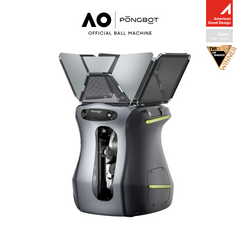
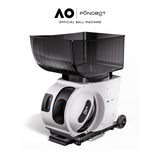
Halo S Pro is the floor-standing option, built for full-table oscillation, 702-plus drills, and automatic side-spin adjustment. It's the pick for players or coaches who want the widest range of realistic rally patterns.
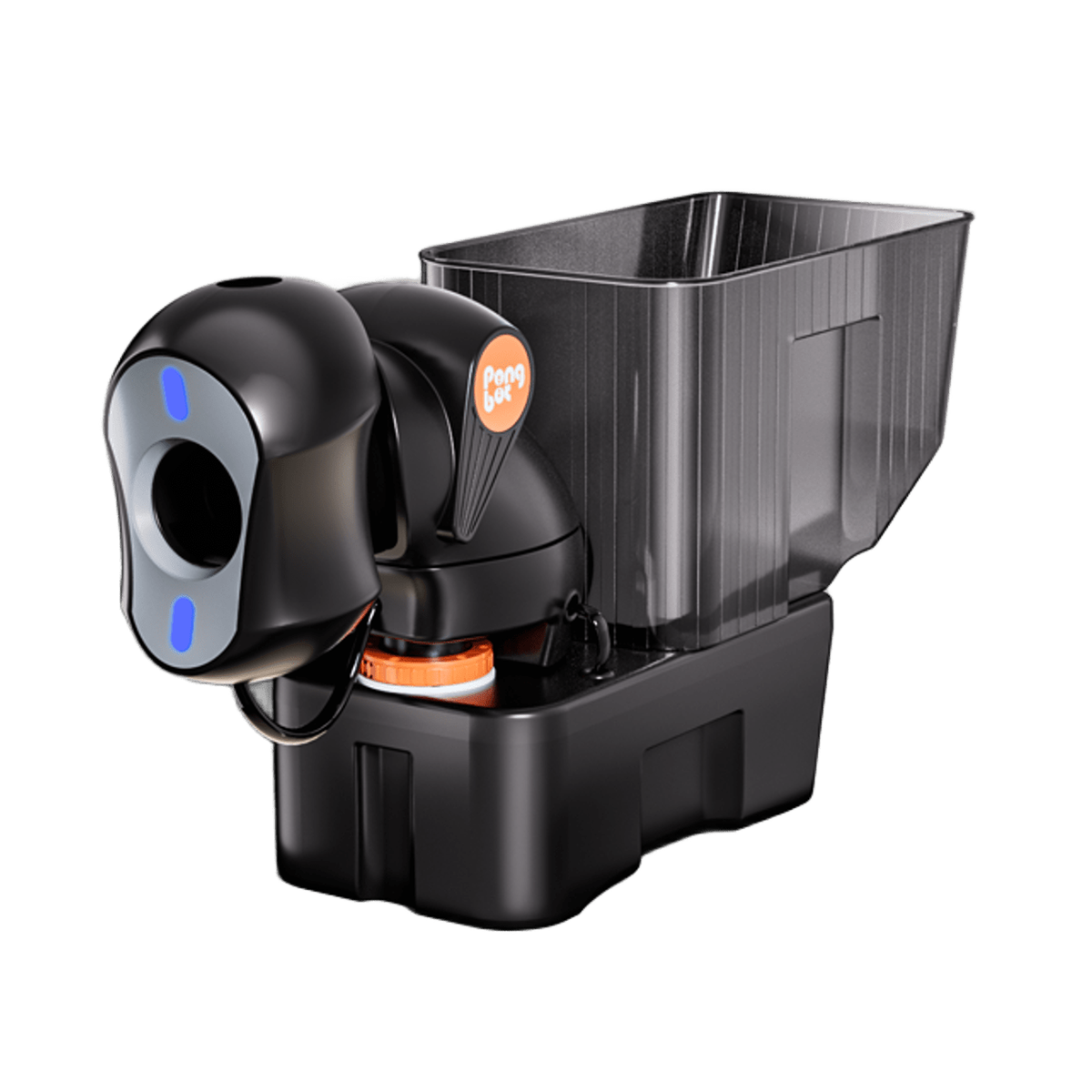
Portable serving robot that fits in a backpack, with 264+ drills and 9 spin variations for on-the-go training.
$299.99 $399.99
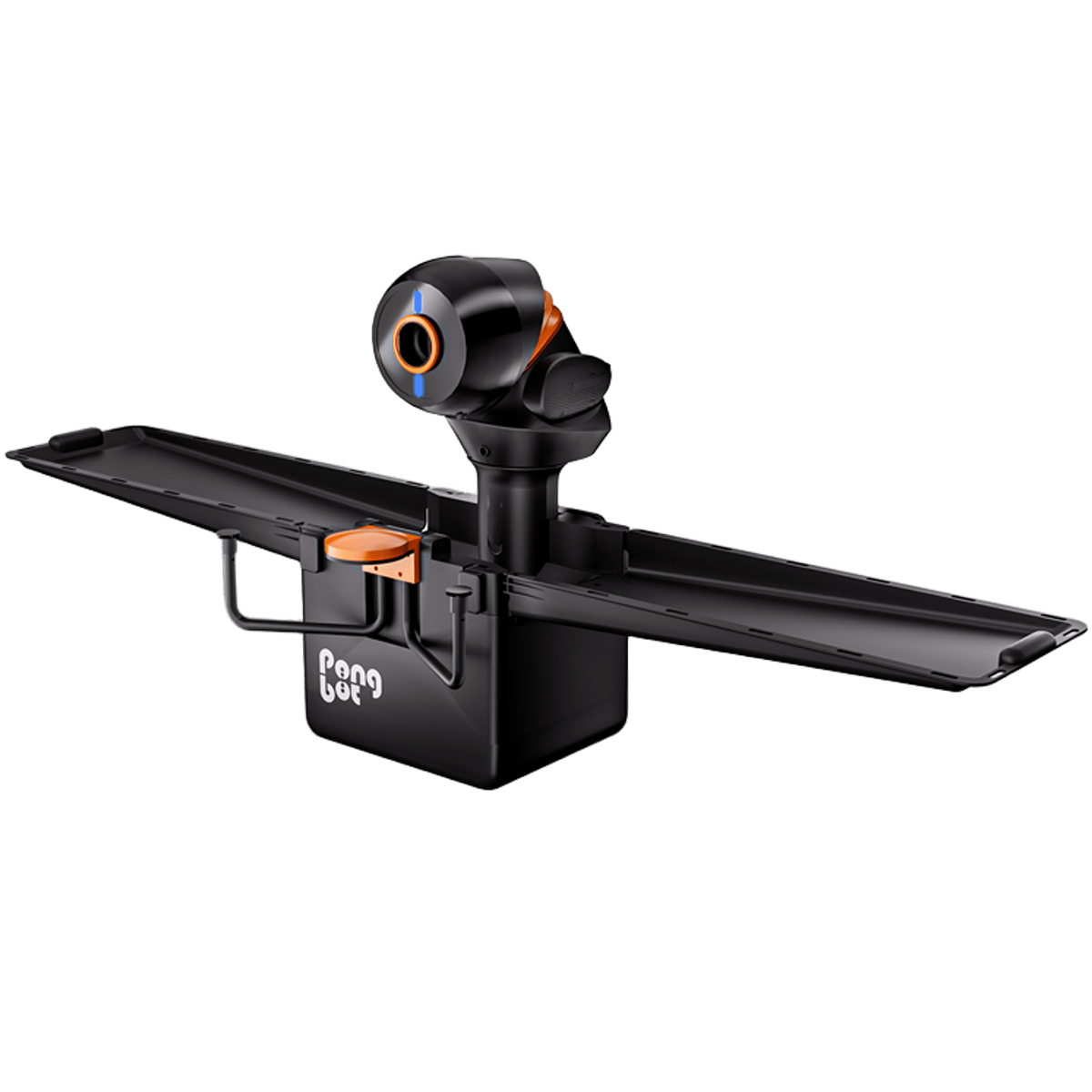
Clip-on robot with 360-degree spin, 522+ drills, and the E-Pad S touchscreen for hands-on control.
$1,099.99 $1,599.99
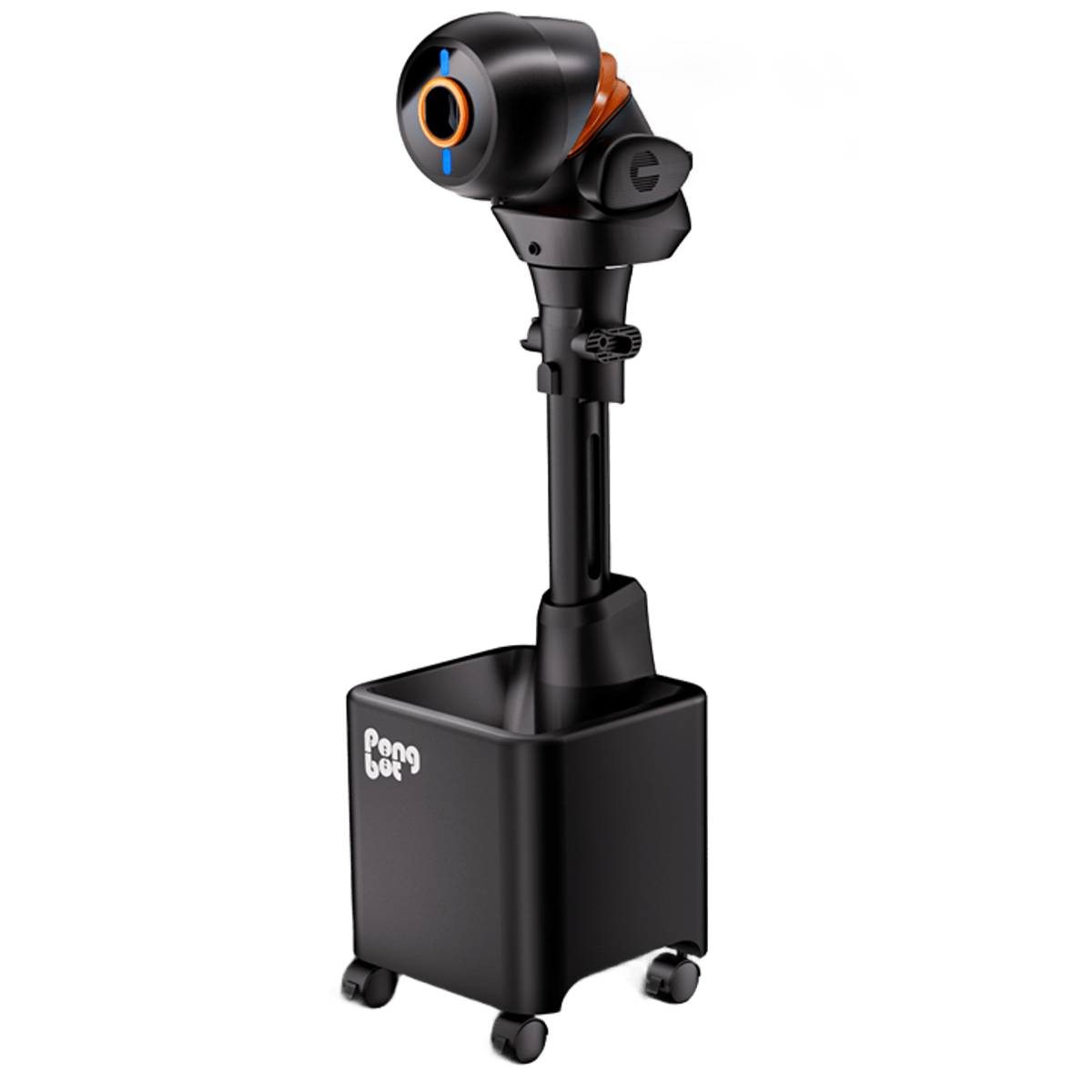
Floor-standing robot built for full-table drills, with 702+ routines and automatic oscillation control.
$1,499.99 $1,999.99
Why Players Choose PongBot
PongBot stands out for players who want reliable performance without the complexity or cost of an oversized training system. It's built for real-world use, especially for home players who want consistent, flexible practice.
Key Features and Benefits
| Feature | Benefit |
|---|---|
| Adjustable spin and speed | Simulates different shot types and match conditions |
| Custom drill modes | Targeted practice for specific skills |
| Consistent ball delivery | Builds timing, rhythm, and accuracy |
| User-friendly controls | Easy to set up and run at any skill level |
Who Each Model Fits Best
Nova S Pro suits beginners and anyone who wants a robot they can pack and move. Omni S Pro fits regular players who want deeper drill variety without a big footprint. Halo S Pro is built for advanced players and coaches running full-table sessions.
Why It's Worth Buying
PongBot balances affordability with real functionality. It delivers the core features most players actually need, without piling on complexity you'll never touch, and it gives beginners and intermediate players a structured way to improve without relying on a training partner.
AI Table Tennis Robot Price and Value

Price Range
| Model | Price | Best For |
|---|---|---|
| Nova S Pro | $299.99 | Beginners, portable training |
| Omni S Pro | $1,099.99 | Regular players |
| Halo S Pro | $1,499.99 | Competitive players and coaches |
Is It Worth the Cost?
For players who want consistent practice, these robots offer strong value. They cut your reliance on a training partner and let you rack up reps whenever you have time, and that adds up to real improvement over a season.
Additional Costs
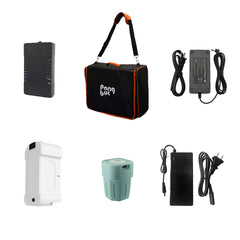
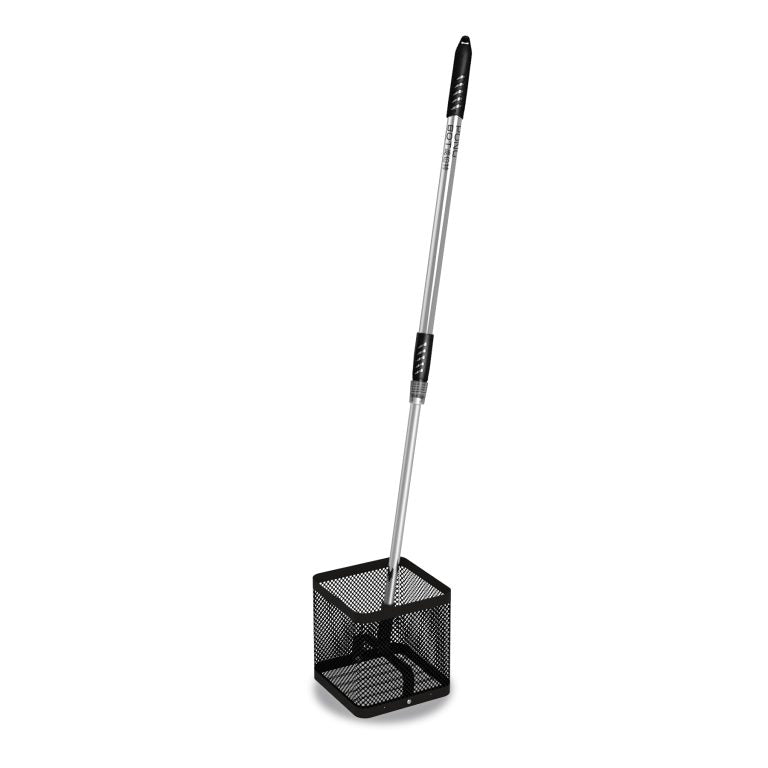
Budget for extra balls and the occasional accessory. A dedicated ball picker in particular turns a stop-and-start solo session into a real training block, since you're not bending down every few minutes to gather stray balls.
A ball picker feels like a minor add-on until you're running 250-ball sessions with a Halo or Omni S Pro. At that point it's the difference between a focused hour of practice and a lot of bending over.
Benefits of Training With an AI Table Tennis Robot
Skill Development
- Improves reaction time and footwork
- Builds consistency and control
- Reinforces technique through repetition
Solo Practice Anytime
You can train whenever you have a spare hour, with no partner to schedule around. That makes a robot especially useful for busy players squeezing in practice between everything else.
Structured Training
Custom drills let you zero in on one weak spot at a time, which makes every session more efficient than random rallying.
Limitations of AI Table Tennis Robots
Where They Fall Short
No robot fully replicates human creativity or strategy. Real opponents bring unpredictability that a machine simply can't match.
Common Challenges
Initial setup can take a few minutes longer than expected, and lower-end models can feel repetitive if you don't take the time to adjust the settings.
When It May Not Be Worth It
If you already train often with skilled players, a robot adds less marginal value. It works best as a supplement to human practice, not a replacement for it.
AI Robot vs Traditional Training
Comparison Overview
| Training Method | Strength | Limitation |
|---|---|---|
| AI table tennis robot | Consistent, repeatable drills | Less unpredictable than a human |
| Human practice | Real match experience | Requires a partner and a schedule |
| Standard ball machine | Simple and affordable | Limited variation |
Which Improves Skills Faster
A combination works best. Robots build the consistency and muscle memory, while human play sharpens strategy and adaptability, the two skills feed each other.
How to Blend Both
Run robot sessions for repetition and specific weaknesses, then bring what you've built into live matches where you can test it under real pressure. Most improvement happens in that back-and-forth, not from either method alone.
AI table tennis robots are a genuinely valuable tool for players who want to train smarter and more consistently. They deliver flexible drills, realistic shot variation, and the freedom of solo practice, and while they can't fully replace a human opponent, they'll noticeably improve your game when you use them with a plan. If you're shopping in 2026, PongBot's lineup covers a real choice at every budget, from the backpack-friendly Nova S Pro to the full-table Halo S Pro.
FAQs About AI Table Tennis Robots
Is there a robot that can play table tennis?
Yes, modern training robots simulate rallies and return shots with varied spin and speed. They're widely used for skill development at home and in clubs.
What is the best AI table tennis robot?
The best choice depends on your skill level and budget. Look for strong spin control, accurate placement, and enough drill customization to keep sessions from getting repetitive.
Is it worth getting a table tennis robot?
It's worth it for players who want regular solo practice. A robot improves consistency, but it should supplement real matches rather than replace them entirely.
Can a table tennis robot improve your skills?
Yes, consistent use builds timing, control, and footwork through repetition. The improvement compounds the more regularly you train with it.
How accurate are AI table tennis robots?
Accuracy varies by model. Higher-end robots with automatic oscillation and finer spin control deliver more precise, realistic placement than entry-level machines.
Do AI table tennis robots use real match data?
Some advanced systems draw on data-driven drills, but most consumer robots rely on programmed patterns rather than true adaptive AI. That's still enough to build real skill through repetition.


