









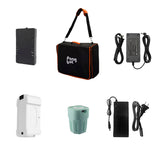


Pickleball looks easy at first, but small mistakes can quickly cost you points.
A weak return, poor footwork, or rushed shot can put you out of position before the rally really starts. Whether you play tennis, pickleball, or both, learning the basics can make your game more consistent and more fun. Keep reading to spot the most common pickleball mistakes and learn simple fixes you can use in your next match, and check PongBot's sports accessories if your practice setup needs a refresh.
- Control usually matters more than power on serves, returns, and third shots
- Good footwork helps you reach the ball without losing balance
- The third shot should often help you reach the kitchen safely
- Attack high balls, but dink or reset low balls
- In doubles, communication helps prevent open-court errors
- Practice serves, returns, dinks, volleys, and resets, not just hard shots
Common Pickleball Mistakes at a Glance
The table below gives you a quick look at the most common pickleball mistakes and their simplest fixes. Use it as a quick checklist before or after a game.
| Common mistake | Why it hurts your game | Simple fix |
|---|---|---|
| Serving into the net | Gives away an easy point | Use a smooth, controlled swing |
| Serving out of bounds | Creates a fault | Aim for a larger target |
| Returning too short | Gives opponents an easy third shot | Aim deep |
| Standing too close to the kitchen | Causes foot faults and rushed shots | Stay balanced behind the line |
| Backing away from the kitchen | Gives opponents more control | Keep your paddle up |
| Reaching for the ball | Causes weak, off-balance shots | Move your feet |
| Hitting every ball hard | Creates unforced errors | Choose control over power |
| Attacking low balls | Makes errors and easy counters more likely | Dink or reset |
| Watching your shot | Leaves you out of position | Recover after every hit |
| Poor partner communication | Creates open space and confusion | Call "mine," "yours," or "switch" |
Serving Mistakes That Give Away Easy Points

Serving starts every rally, so a poor serve can put you behind immediately. Focus on a legal, controlled serve before trying to add more speed or spin.
Serving Into the Net or Out of Bounds
One of the most common pickleball mistakes is missing the serve. Players often swing too hard, aim too close to the net, or try to hit a difficult line.
Use a smooth swing and aim for a large target inside the service court. A deep serve can pressure the returner, but consistency comes first. Once you can keep most serves in, work on placement and speed.
Serving Without a Clear Target
Hitting the ball generally toward the other side of the court makes it easier for your opponent to settle into the rally. Pick a target before serving, such as the backhand, outside corner, or deep area near the baseline. You do not need to hit the line. A serve that lands safely near your target is usually more useful than a risky attempt that misses.
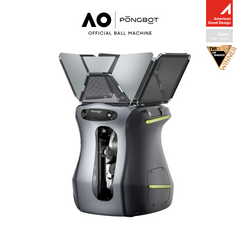
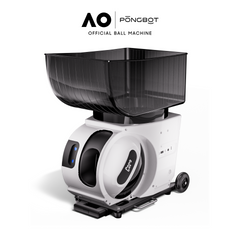
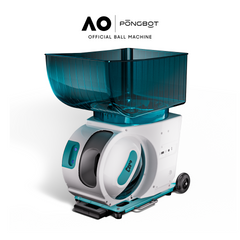
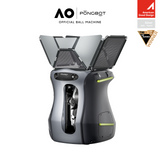
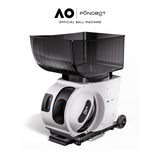
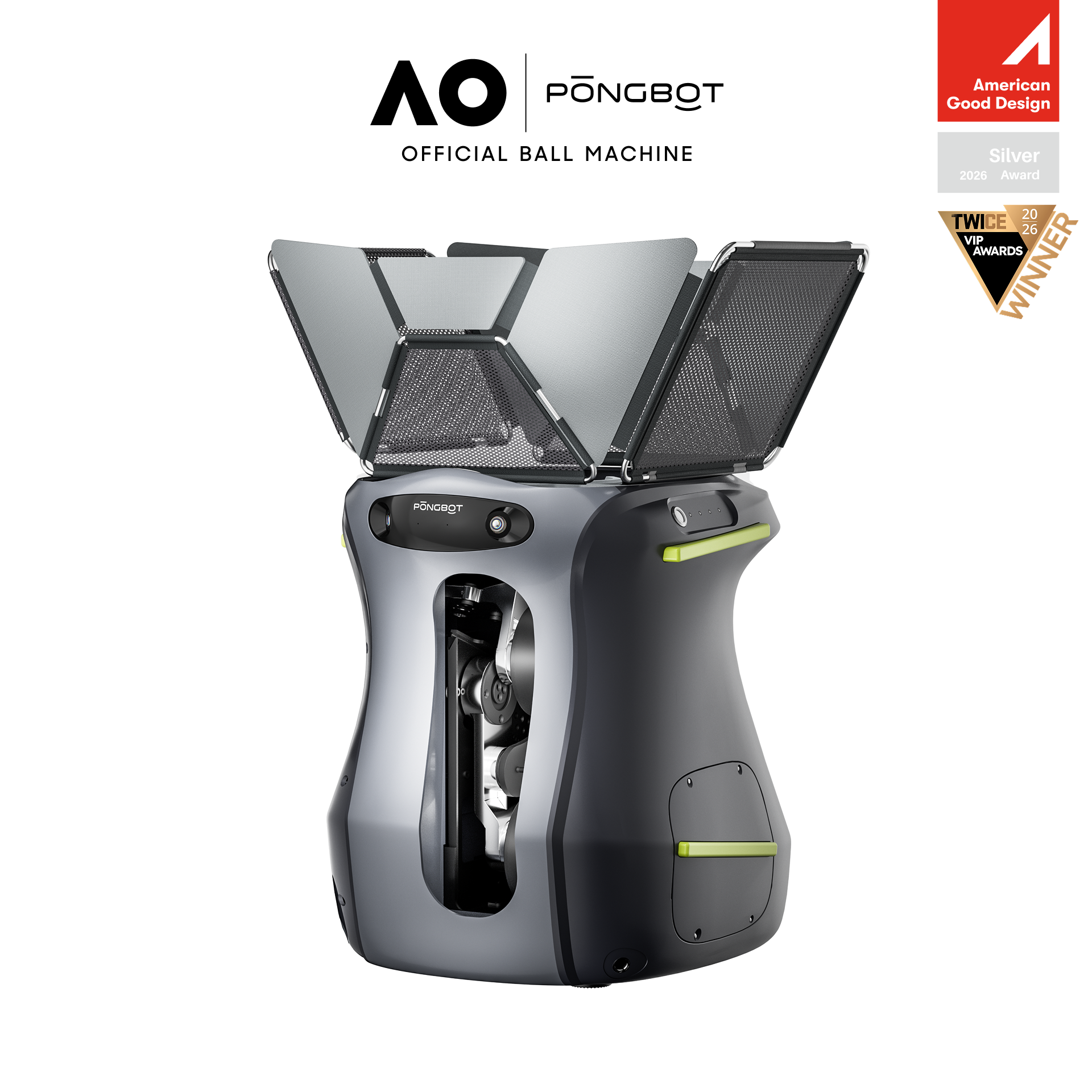
Players who want extra repetition can use a pickleball serving robot for serving practice. Repeated target work helps build control without needing a full match every time.
Returning the Serve Too Short
A short return gives the serving team a chance to move forward and take control of the kitchen. This is especially damaging when the ball sits high enough for an easy attack. Try to return deep toward the baseline. A deep return usually gives you more time to move forward and makes the third shot harder for your opponents.
| Return target | Why it can work |
|---|---|
| Deep backhand | May expose a weaker side |
| Deep middle | Can create communication problems |
| Deep corner | Pushes the opponent away from the kitchen |
| Safe central area | Reduces the chance of hitting out |
Moving Forward After a Weak Return
Many players rush toward the kitchen after every return, even when the return is short or high. That can leave them exposed to a fast drive or an easy volley. Move forward behind a deep, low return when possible. If your return is weak, slow down, split step, and prepare for the next shot instead of charging ahead.
Footwork and Positioning Mistakes
Good positioning often matters more than a powerful swing. Stay balanced, move your feet, and recover after every shot.
Standing Too Close to the Kitchen Line
Standing directly on the non-volley zone line can cause a foot fault and leave you cramped during quick exchanges. It also makes it harder to move backward or sideways. Keep your toes behind the kitchen line while staying close enough to pressure your opponents. Bend your knees, keep your paddle in front, and use small adjustment steps.
Backing Away From the Kitchen
Giving up kitchen position usually gives your opponents more time and better angles. Players often back away because they fear fast volleys or feel uncomfortable at the line. Instead of retreating right away, keep your paddle up and block the ball with a short swing. If the ball is difficult, reset it softly and work your way back into a strong position.
Reaching Instead of Moving Your Feet
Reaching for the ball often produces weak contact and poor balance. This is a common pickleball footwork mistake, especially during dinks and quick volleys. Use a split step when your opponent hits, then move with short side steps. Try to get your body behind the ball instead of stretching your arm to do all the work.
Watching Your Shot Instead of Recovering
Some players stop moving after hitting a good shot. Others watch the ball instead of noticing where their opponents are standing. Use the simple cue, "hit, recover, ready." After every shot, return to a balanced position and prepare for the next ball.
Leaving Too Much Space Between Doubles Partners
A large gap between partners gives opponents an easy passing shot through the middle or down the sideline. Doubles partners should usually move together from side to side. Think of your team as connected by a rope. If one player moves wide, the other should adjust without leaving the center of the court completely open.
Third-Shot and Kitchen Mistakes
The third shot is a major part of pickleball strategy. A controlled third shot can help your team move forward, while a rushed one can hand your opponents an easy attack.
Treating Every Third Shot Like a Winner
The third shot does not always need to win the point. Its main purpose is often to create time and help you reach the kitchen safely.
| Shot | Typical purpose |
|---|---|
| Third-shot drop | Creates time to move toward the kitchen |
| Third-shot drive | Applies pressure with pace |
| Reset | Slows the rally when you are under pressure |
| Lob | Pushes opponents back but carries more risk |
Choose the shot based on the ball's height, your position, and your opponent's readiness. A lob can be useful in some situations, but it is usually riskier than a controlled drop, drive, or reset.
Hitting the Third-Shot Drop Too High
A high drop gives your opponent an attackable ball. This often happens when players use too much force or open the paddle face too far. Use a relaxed grip and a smooth upward motion. Aim for a safe area in the kitchen rather than trying to land the ball perfectly close to the net.
Rushing Forward Behind a Bad Third Shot
Moving forward is a good plan only when your shot gives you enough time. If your drop is high or short, running toward the kitchen can leave you open. Pause after the shot and read your opponent. Move forward behind a good drop or drive, but stay ready to defend behind a poor one.
Stepping Into the Kitchen During a Volley
You cannot volley while touching the non-volley zone, its line, or anything connected to you that is touching the zone. You may enter the kitchen when the ball has bounced, but you must regain balance before volleying again. When you are near the line, let a low ball bounce if needed. Practice stopping under control so you can volley without falling forward.
Shot Selection Mistakes

Pickleball rewards patience and smart choices. The hardest shot is not always the best shot.
Hitting Every Ball Hard
Constant power creates many unforced errors. Hard shots can also put you out of position and give your opponents an easy counterattack. Use a drive when you have space and time. Use a dink or reset when the ball is low, and attack only when the ball is high enough to strike safely.
Attacking a Ball Below Net Height
Low balls are difficult to attack because the net is higher than the contact point. Trying to speed them up often sends the ball into the net or gives your opponent a comfortable counter. Dink, reset, or roll the ball with control instead. A useful rule of thumb is simple: attack high balls and soften low balls.
Choosing Risky Angles From Difficult Positions
Sharp angles and line shots may look exciting, but they are risky when you are stretched or off balance. A safer crosscourt shot often gives you a better chance to stay in the rally. When under pressure, aim for the middle, the opponent's backhand, or their feet. Save low-percentage shots for moments when you have clear control.
Ignoring the Middle of the Court
The middle is often a useful target in doubles. It reduces your opponents' angles and may force them to decide who will take the ball. Use the middle to create confusion, but keep your own middle covered while defending. Clear calls such as "mine" and "yours" help prevent collisions.
Always Hitting to the Same Opponent
Predictable shot patterns help opponents settle into a rhythm. Test both players and watch how they handle different shots.
| What to observe | What it may show |
|---|---|
| Backhand errors | A possible target |
| Slow movement | Opportunity to move the player |
| Weak returns | Chance to apply pressure |
| Poor reaction to speed-ups | Time to attack selectively |
Doubles Communication Mistakes
Strong doubles teams do more than hit good shots. They communicate early and protect the court together.
Both Partners Chasing the Same Ball
When both players chase one ball, the opposite side of the court becomes wide open. This usually happens when neither player calls for the shot.
- "Mine"
- "Yours"
- "Leave"
- "Switch"
Decide before the game who normally covers the middle. The player with the better angle will often have the best chance to take the ball.
Failing to Call Lobs and Switches
A lob can pull one player away from the kitchen and create confusion. Call the lob as soon as you recognize it, then tell your partner whether to switch sides. The partner who stays forward should cover the middle and prepare for the next shot. Clear communication gives both players more time to react.
Blaming Your Partner After an Error
Negative comments make the next point harder. Instead of focusing on blame, use a short adjustment such as "stay closer," "I have the middle," or "next point." Good communication should help your team make a better decision on the next rally.
Rule and Scoring Mistakes
Some lost points come from simple rule confusion. Knowing the basic rules helps you play with more confidence.
Forgetting the Score
In traditional doubles scoring, players call three numbers before the serve: the serving team's score, the receiving team's score, and the server number. Some leagues and tournaments use different scoring formats. Make saying the score part of your routine. Pause, call it clearly, and begin the point only after both teams are ready.
Breaking the Two-Bounce Rule
The serve must bounce in the receiver's service court, and the return of serve must bounce on the serving team's side. Only after those two bounces may either team volley the ball. Forgetting this rule is one of the most common beginner pickleball mistakes.
Missing a Kitchen Foot Fault
A player cannot volley while touching the non-volley zone, its line, or anything connected to the player that is touching the zone. A player also cannot volley and then let momentum carry them into the kitchen. Keep your body under control near the line. If you are unsure whether you can volley safely, let the ball bounce.
Rules referenced in this article are based on the current USA Pickleball Official Rulebook. Rules may differ by league, tournament, or scoring format.
How to Fix Common Pickleball Mistakes
Improvement becomes easier when you focus on one problem at a time. Trying to change your serve, swing, grip, footwork, and strategy all at once can make your game feel less consistent.
Use a Simple Practice Routine
Try this 30-minute practice plan:
- 5 minutes: Serve to different targets
- 5 minutes: Hit deep returns
- 5 minutes: Practice third-shot drops and drives
- 5 minutes: Work on dinks and resets
- 5 minutes: Practice blocking fast volleys
- 5 minutes: Play points while focusing on one mistake
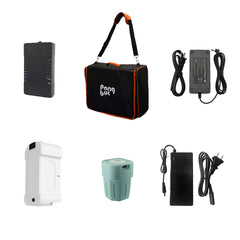
A pickleball serving robot can be useful for repeated serve and return drills. Quality pickleball equipment and comfortable sports accessories can also make focused practice easier.
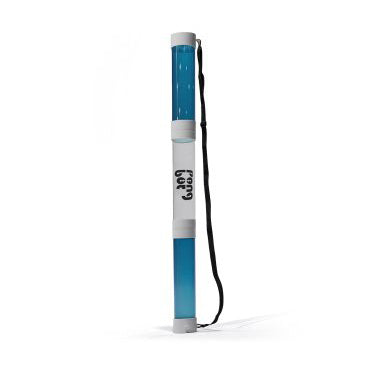
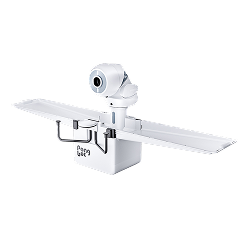
Holds up to 18 balls and works for tennis, pickleball, and padel, so a 30-minute drill session doesn't turn into 40 minutes of bending down.
$47.99 $69.99
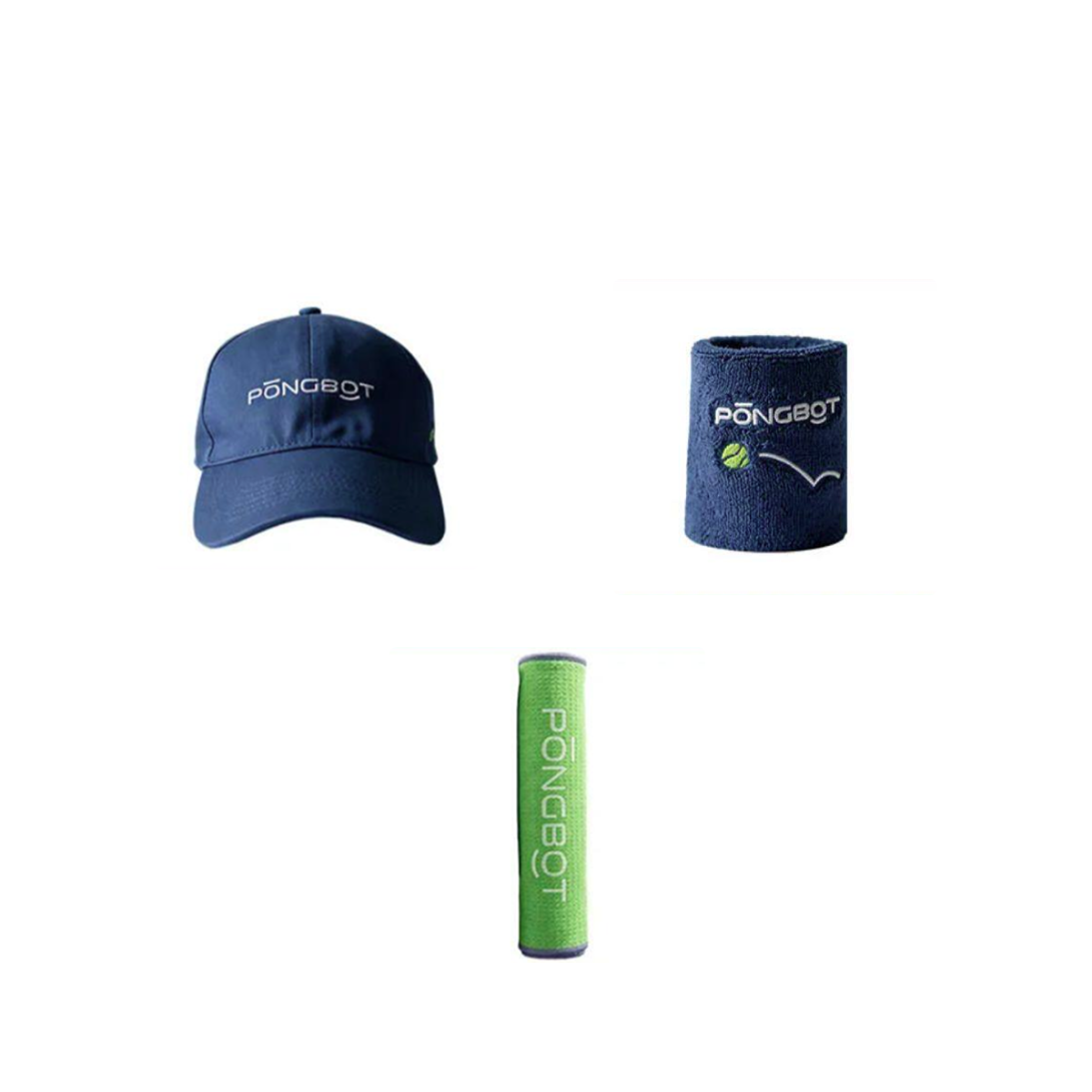
A grab-and-go bundle of on-court basics, useful for staying comfortable through a focused practice block.
$39.99 $49.99
Track Your Unforced Errors
After a game, note where most points disappeared. You might find that your biggest issue is not your forehand or backhand, but short returns, kitchen errors, or rushed attacks. Choose one pattern to fix during your next session. Small improvements add up quickly when you practice with a clear goal.
Choose Control Before Power
Consistent players keep the ball in play, recover to good positions, and wait for the right chance to attack. Power becomes more useful after control is already developed. If you also play tennis, this may feel different at first. Pickleball often rewards soft hands, compact swings, and patience at the kitchen more than full-force shots.
The most common pickleball mistakes usually come from rushed decisions, weak positioning, poor footwork, and a lack of control. Focus on deep returns, smart third shots, balanced kitchen play, and clear doubles communication before trying to add more power. Choose one mistake to fix this week, repeat the right movement, and let consistency improve your game.
FAQs About Common Pickleball Mistakes
What are the most common faults in pickleball?
Common faults include serving into the net or out of bounds, serving into the wrong court, breaking the two-bounce rule, and hitting the ball into the net. Players can also fault by volleying while touching the non-volley zone, its line, or anything connected to them that is touching the zone. A team also loses the rally if it fails to return the ball before it bounces twice on its side.
What are five things you cannot do in pickleball?
You cannot volley while touching the non-volley zone or its line. You cannot let momentum carry you into the kitchen after a volley. You cannot serve into the wrong service court. You cannot volley before the required bounces. You cannot continue a rally after hitting the ball out or into the net.
What is the 10-second rule in pickleball?
Under standard USA Pickleball rules, the server must serve within 10 seconds after the score is called. This prevents unnecessary delays between points. Some leagues and tournaments may use different formats or procedures, so players should check the rules for their event.
What are some common bad habits in pickleball?
Common bad habits include standing upright, using a grip that is too tight, reaching instead of moving your feet, and trying to hit every ball hard. Watching your shot instead of recovering is also a frequent problem. These habits can be improved through focused drills and better awareness during games.
What are 10 tips for improving your pickleball game?
Serve with control, return deep, keep your paddle up, bend your knees, and move your feet. Practice third-shot drops, attack high balls, reset low balls, and stay connected with your doubles partner. Finally, track your biggest mistake and work on it during every practice session.
What is the best strategy in pickleball?
A reliable basic strategy is to serve consistently, return deep, and use a controlled third shot to reach the kitchen. Once at the kitchen, dink patiently and attack balls that are high enough to hit safely. Keep your opponents moving, protect the middle, and avoid taking unnecessary risks.


