









You don't need a partner, a booked court, or fancy gear to get sharper at pickleball. A flat wall and a paddle will do it.
Pickleball wall drills turn a driveway, garage door, or park wall into an on-demand hitting partner that never cancels on you. Pair that with the right court training accessories and a few minutes a day, and you'll see cleaner contact and steadier dinks faster than you'd expect. Here are five drills coaches actually recommend, plus the setup details and weekly routine that make them stick.
- Pickleball wall drills build control, consistency, and reaction time faster than random rallying
- All you need is a flat, safe wall and a few setup tips to get realistic reps
- Short daily sessions beat long, unfocused ones for skill retention
- The best drills target dinks, volleys, and third shot drops, the shots that decide most points
- A dedicated ball picker keeps solo sessions moving instead of stalling every few minutes
Why Pickleball Wall Drills Work So Well
A wall gives you nonstop repetition, and repetition is what actually builds muscle memory. There's no waiting for a partner to reset, no chasing a ball that rolled off court, just you and the next rep.
Every ball that comes back off the wall is another touch, another read, another chance to groove your timing. Do that consistently and your shots get cleaner and your confidence climbs before your next real match.
One honest caveat: a wall can't replicate everything. It won't vary its spin or shift its court position the way a live opponent does, so treat wall work as the foundation you build on, not a full replacement for match play.
- Builds consistency with every single hit
- Sharpens hand eye coordination and reaction speed
- Lets you practice alone, any time you've got a spare 15 minutes
How to Set Up for Pickleball Wall Drills at Home
A good setup makes the difference between drills that transfer to real games and drills that just feel like hitting a wall. You don't need much space, but the wall and the distance both matter.
Pick a flat, solid surface, a tennis backboard, a concrete wall, or a brick exterior all work. Skip thin interior walls or anything that could crack under repeated impact.
Mark a line at true net height so your shots stay realistic. Per the official USA Pickleball rulebook, a regulation net sits 36 inches high at the sidelines and 34 inches at the center, so a strip of tape at roughly 34 to 36 inches gives you an honest target.
| Drill Focus | Distance From Wall | What to Watch |
|---|---|---|
| Groundstrokes | 8 to 10 feet | Smooth, controlled swing |
| Volleys | 5 to 7 feet | Paddle stays up and ready |
| Dinks | 6 to 8 feet | Ball stays below the net line |
| Third shot drop | 10 to 14 feet | Soft arc, low landing |
- Use tape or chalk to mark your net line and target zones
- Keep a few extra balls within reach so a missed rep doesn't end the set
- Recheck your distance any time you switch drills, it's the setting most players forget
5 Pickleball Wall Drills You Can Do Anywhere
These five drills cover the shots that decide most points. Run through them in order and you'll touch every part of your game in a single session.
| Drill | Best For | Skill Level |
|---|---|---|
| Forehand and backhand | Consistency and control | Beginner to intermediate |
| Rapid volley | Reaction time at the kitchen | All levels |
| Dink control | Soft-game touch | All levels |
| Third shot drop | Match-deciding shot | Intermediate to advanced |
| Footwork and movement | Balance while hitting on the move | All levels |
1. Forehand and Backhand Wall Drill
This one builds consistency on both sides and it's the drill most coaches hand a beginner first.

- Alternate between forehand and backhand shots
- Keep your swing smooth and controlled, not rushed
- Hold the ball at a steady, repeatable height
Start slow. Once you can string together clean reps without thinking about it, pick up the pace.
2. Rapid Volley Wall Drill for Fast Hands
This drill trains the quick hands you need at the non-volley zone, where most rallies at the kitchen line get decided in a split second.

- Move in closer to the wall for this one
- Use short, quick punches, don't let the ball bounce
- Keep your paddle up between reps, not resting at your side
3. Dink Control Wall Drill
Soft shots win a lot of points in pickleball, and this drill is where you build the touch for them.

- Keep every shot below your marked net line
- Use gentle, controlled taps, not full swings
- Chase accuracy first, power second
4. Third Shot Drop Wall Drill
The third shot drop might be the single most important shot in pickleball, and it's also the one most players never practice on purpose.

- Back up further from the wall for this rep
- Hit soft, arcing shots that land low, near your net line
- Focus on height and control over depth
5. Footwork and Movement Wall Drill
Good footwork keeps you balanced and in range for the next ball, and this drill layers movement on top of contact.

- Shuffle side to side between each shot
- Stay light on your feet, don't plant and freeze
- Keep your shots consistent even as you're moving
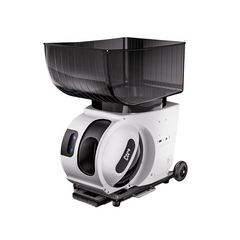
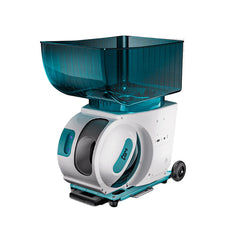
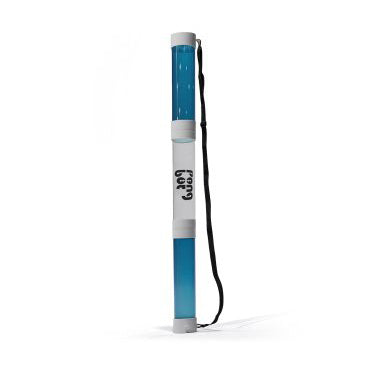
A dedicated ball picker turns a stop-and-start solo session into a real training block. Instead of bending down every few reps, you gather a dozen balls in seconds and get straight back to the wall.
How to Improve Faster with Pickleball Wall Drills
Improvement comes from focused reps, not just hitting a wall for twenty minutes on autopilot. A simple weekly plan gets you there quicker.
Short, consistent sessions beat one long marathon. Ten to twenty minutes a day, five days a week, adds up fast.
| Day | Focus | Goal |
|---|---|---|
| Day 1 | Forehand and backhand control | 20 clean hits in a row |
| Day 2 | Volley and reaction drills | No dropped reps in 2 minutes |
| Day 3 | Dink and soft game practice | Every shot below the net line |
| Day 4 | Third shot drop focus | Consistent low arc |
| Day 5 | Footwork and movement drills | Clean contact while moving |
- Set a real goal for each session, like 20 clean hits in a row
- Rotate drills so you build a well-rounded game, not just one strength
- Track your progress over time so you can see the improvement
Common Mistakes in Pickleball Wall Drills
Plenty of players waste good practice time by drilling the wrong way. Fix these and your sessions get a lot more useful.
- Hitting too hard instead of staying controlled
- Standing still and skipping the footwork
- Practicing without a specific goal in mind
- Standing at the wrong distance for the drill you're running
Control and consistency win here, not power. Fix your technique first and the results follow.
What's Next: From the Wall to a Machine
Wall drills are the cheapest, most accessible way to get better, and they'll take you a long way on their own. But once you're ready to add variety, spin, and repeatable match-style feed, a training machine picks up where the wall leaves off.
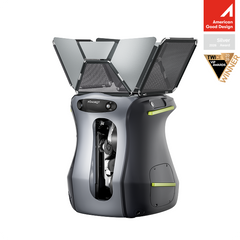
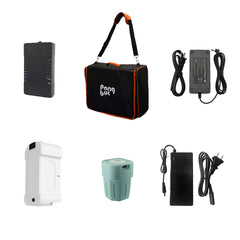
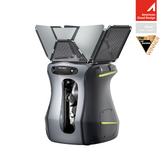
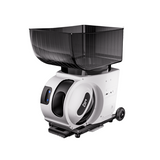
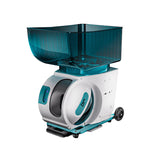
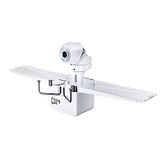
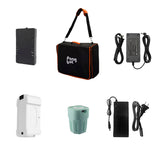
PongBot Aura is a multi-sport training machine currently taking reservations rather than shipping today. It's built around a wheel track that physically reconfigures per sport, including a pickleball mode tuned for dink precision and kitchen placement, the exact skills the drills above are training you for. See the details below.
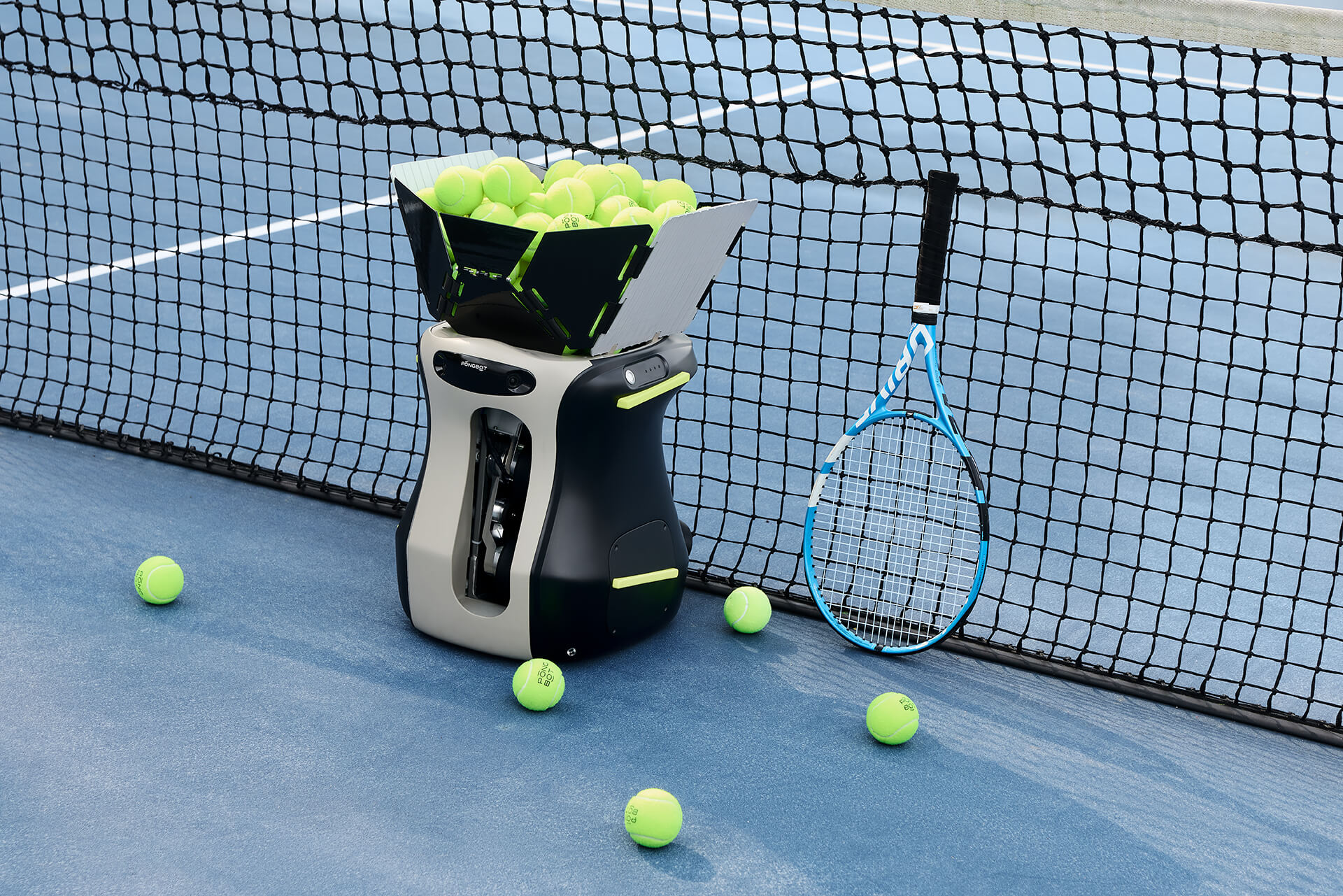
Aura is a pre-order product, not a shipping unit today, so treat wall drills as your main training tool in the meantime.
Pickleball wall drills are one of the simplest, cheapest ways to get sharper between matches. Set up your wall, mark your net line, and run through the five drills above with a real goal each session. Stay consistent, focus on control over power, and the confidence shows up on court soon enough.
FAQs About Pickleball Wall Drills
How do I practice pickleball on a wall at home?
Find a flat, solid wall and mark a net height line at 34 to 36 inches. Stand a few feet back and start with simple forehand and backhand shots, focusing on control before speed. Once that feels steady, layer in volleys, dinks, and the third shot drop.
What are the best beginner pickleball wall drills?
Start with the forehand and backhand control drill, then add simple volleys and dink practice. These three build the consistency and confidence you need before moving on to the third shot drop.
Can I use a tennis wall for pickleball drills?
Yes, a tennis backboard works well for pickleball wall drills since it gives a solid, predictable rebound. Just adjust your distance and net line marking for pickleball specs rather than tennis ones.
How far should I stand from the wall for pickleball drills?
Most players stand 5 to 10 feet back depending on the drill. Volleys and dinks want you closer, groundstrokes and third shot drops want more distance to let the ball arc properly.
What's the best wall setup for pickleball wall drills?
A flat, solid wall with a marked net line and a couple of target zones is all you need. Keep extra balls within reach so a missed rep doesn't stop your session.
How often should I do pickleball wall drills to see results?
Ten to twenty minutes a day, five days a week, is plenty. Short, focused sessions with a clear goal beat one long, unstructured hour.


