










You don't need a pickleball court to become a better player.
Many of the skills that win points, including soft dinks, quick hands, fast footwork, paddle control, and consistent serves, can all be practiced at home.
Whether you have a garage, driveway, backyard, or patio, these pickleball drills at home will help you build confidence before your next match.
This guide includes beginner-friendly drills, advanced practice routines, weekly training plans, and the best equipment for solo pickleball practice.
Yes. You can significantly improve your pickleball game at home by practicing wall drills, footwork, paddle control, serve mechanics, reaction exercises, and AI ball machine training. Most drills require only a paddle, a few balls, and a small open space, making home practice one of the most effective ways to build consistency between matches.
- You don't need a court to get better at pickleball. Most of the game (dinking touch, footwork, reaction time, paddle control) can be trained at home.
- A flat wall or garage door is the single most useful "training partner" you can find.
- These 7 drills take 10-25 minutes and need little to no equipment beyond a paddle and a ball.
- Combine 2-3 drills into a short daily routine rather than doing a single drill for an extended period.
- Off-court fitness work (lateral agility, balance, reaction speed) translates directly into on-court performance.
Why At-Home Practice Actually Works
Pickleball is a game of small, repeatable movements: a short paddle stroke on a dink, a quick shuffle-step to cover the middle, a soft touch to reset a fast ball.
These are motor-skill patterns, and motor skills improve through repetition, not necessarily through full-court play.
In fact, many touring pros use wall drills and shadow footwork specifically because they isolate one skill at a time without the distraction of chasing a live rally.
That's the mindset behind pickleball drills at home. You're not trying to replicate a match. You're isolating the pieces of a match, the dink, the split-step, the reset, and grooving them until they're automatic.
7 Pickleball Drills at Home Without a Court
1. Wall Dinking Drill

What it trains: Soft hands, paddle angle control, consistency at the non-volley zone ("the kitchen").
Find any flat wall (a garage door, exterior wall, or a pickleball rebounder net if you have one) and stand about 6-8 feet back.
Softly dink the ball against the wall so it comes back to you around waist height, and keep a continuous rally going. Focus on a stable paddle face and a short, controlled stroke rather than power.
- How to do it: Rally for 20-30 touches without letting the ball hit the ground, then reset and go again. Track your longest streak and try to beat it each session.
- Level up: Alternate forehand and backhand dinks, or add slight angle changes to simulate cross-court dinking.
2. Shadow Footwork Ladder Drill

What it trains: Split-step timing, lateral shuffling, the "ready position" you use before every shot.
You don't need an agility ladder. Painter's tape on a garage floor or even imaginary lines work fine.
Practice the split-step (a small hop that lands with feet shoulder-width apart) followed by a shuffle-step to each side, then a crossover step backward and forward.
- How to do it: 3 sets of 30 seconds per movement pattern, with 20-30 seconds rest between sets.
- Why it matters: Good footwork is what gets your paddle in the right place before you ever swing. Most unforced errors in pickleball come from being out of position, not from bad hand-eye coordination.
3. Bounce-and-Catch Paddle Control Drill

What it trains: Paddle-face awareness and touch, the same feel you need for a soft dink or a controlled third-shot drop.
Bounce the ball on your paddle face repeatedly, alternating between the top and bottom of the paddle.
Then try bouncing it on the ground and catching it cleanly on the paddle face without a bobble.
- How to do it: 1-2 minutes of continuous bouncing, 3 rounds. Add a walking or side-stepping component once you're comfortable standing still.
4. Wall Volley Reaction Drill

What it trains: Fast hands and reflexes for quick exchanges at the net.
Stand closer to the wall than in the dinking drill, about 4-5 feet, and volley the ball back and forth without letting it bounce.
This mimics the quick, compressed-time exchanges that happen during a "hands battle" at the net, one of the trickiest situations in real matches.
- How to do it: 15-20 second bursts, focusing on short, compact paddle movements rather than big swings. Rest and repeat for 5-6 rounds.
5. Balance and Split-Step Reaction Drill

What it trains: Balance, core stability, and reacting to an unpredictable ball.
Have a partner (or use a wall) send the ball at random angles and speeds while you stay light on your feet, split-stepping before each shot.
If you're alone, toss the ball at a wall at varying angles so the return is unpredictable, and react to wherever it comes back.
- How to do it: 10 reps of "react and recover," resetting to a balanced ready position after each shot.
6. Serve and Return-of-Serve Shadow Practice

What it trains: Serve motion consistency and the low-to-high paddle path required by current rules.
Since a serve must be hit with an underhand, low-to-high motion and contact below the waist, shadow-practicing the motion (with or without a ball) helps groove a legal, repeatable serve.
If you have space, actually serve into a target zone drawn or taped on a wall or fence at the height where a service box would sit.
- How to do it: 10 serve-motion reps focusing on form, then 10 with an actual ball if space allows, aiming at a specific target rather than just making contact.
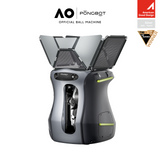
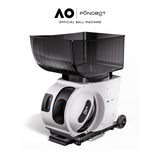
7. AI Pickleball Machine Training with PongBot Aura
What It Trains:
- Third-shot drops
- Dinking consistency
- Transition shots
- Fast volleys
- Groundstrokes
- Hand speed
- Shot placement
- Match awareness
- Endurance
- Confidence under pressure
Wall drills are one of the best ways to build consistency, but eventually you'll outgrow practicing the same predictable rebound.
That's where an AI-powered pickleball machine becomes a game changer.
Unlike a wall, the PongBot Aura can deliver balls with different speeds, heights, spins, and placements, allowing you to practice realistic rallies without needing a partner.
Instead of guessing where the next ball will come from, you'll react to changing shots much like you would during an actual match.
This makes your practice sessions more engaging while helping develop skills that transfer directly onto the court.
Whether you're working on third-shot drops, transition volleys, deep drives, or quick kitchen exchanges, the PongBot Aura lets you repeat the same shot hundreds of times with consistent accuracy.
If you're serious about improving your pickleball game at home, this is one of the most effective training tools available.
Why Choose the PongBot Aura?
The PongBot Aura goes beyond simply feeding balls.
It uses intelligent training modes to create dynamic practice sessions that feel more like playing against a real opponent.
Some of its biggest advantages include:
- Adjustable ball speed
- Customizable spin settings
- Variable ball placement
- Consistent shot repetition
- Solo practice without a partner
- Progressive difficulty levels
- Training for beginners through advanced players
- Longer practice sessions with minimal interruptions
Instead of spending valuable practice time picking up balls after every few shots, you stay focused on building better technique and consistency.
Quick Comparison: Which Pickleball Drill Should You Do Today?
| Drill | Skill Focus | Equipment | Time | Good For |
|---|---|---|---|---|
|
Wall Dinking |
Soft hands, consistency |
Wall + paddle + ball |
10-15 min |
Beginners & intermediates |
|
Shadow Footwork Ladder |
Movement, split-step |
Floor space or tape |
10 min |
All levels |
|
Bounce-and-Catch |
Paddle control |
Paddle + ball |
5-10 min |
Beginners |
|
Wall Volley Reaction |
Fast hands |
Wall + paddle + ball |
5-10 min |
Intermediate & advanced |
|
Balance & Reaction |
Reflexes, balance |
Wall or partner |
10 min |
Intermediate & advanced |
|
Serve Shadow Practice |
Serve consistency |
Paddle, optional target |
10 min |
Beginners & intermediates |
|
AI Pickleball Machine Training with PongBot Aura |
Full Match Training |
Paddle, Ball Machine |
20 min |
All levels |
A 20-Minute Pickleball Practice Routine at Home
One of the biggest mistakes players make is practicing one drill for too long.
Instead, combine multiple drills into a short, focused session that trains different parts of your game.
Warm-Up (3 Minutes)
Start with the Bounce-and-Catch Paddle Control Drill to improve feel and loosen your wrists.
Then perform light shadow swings and split-steps to prepare your body for movement.
Footwork (4 Minutes)
Complete the Shadow Footwork Ladder Drill.
Focus on:
- Split-step timing
- Lateral shuffles
- Recovery steps
- Staying light on your feet
Avoid rushing. Good movement is more important than speed.
Touch and Control (5 Minutes)
Practice the Wall Dinking Drill.
Alternate between:
- Forehand dinks
- Backhand dinks
- Crosscourt angles
- Straight dinks
Track your longest rally each session.
Fast Hands (4 Minutes)
Move closer to the wall for the Wall Volley Reaction Drill.
Keep your paddle in front of your body.
Use compact punches instead of full swings.
Advanced Practice (4 Minutes)
If you own the PongBot Aura, finish with a short AI training session.
Try alternating between:
- Third-shot drops
- Transition volleys
- Random feeds
- Kitchen exchanges
This introduces realistic shot variation that isn't possible with wall drills alone.
Wall Drills vs AI Pickleball Machine
Wall drills have helped players improve for years, and they're still one of the best free training methods available.
However, as your skills develop, you'll eventually want practice that more closely resembles actual match play.
Here's how they compare:
| Feature | Wall Drill | PongBot Aura AI Machine |
|---|---|---|
|
Cost |
Free |
Premium Training Tool |
|
Solo Practice |
✅ |
✅ |
|
Adjustable Ball Speed |
❌ |
✅ |
|
Adjustable Spin |
❌ |
✅ |
|
Random Ball Placement |
❌ |
✅ |
|
Third-Shot Drop Practice |
Limited |
Excellent |
|
Volley Training |
Good |
Excellent |
|
Transition Drills |
Limited |
Excellent |
|
Match Simulation |
No |
Yes |
|
Progressive Difficulty |
Limited |
Excellent |
Common Home Practice Mistakes
Practicing regularly is important, but practicing correctly matters even more.
Avoid these common mistakes to get the most from every session.
1. Hitting Every Ball Too Hard
Many players believe power equals improvement.
In reality, pickleball rewards control far more than raw pace.
Focus on smooth, repeatable strokes before adding speed.
2. Ignoring Footwork
Your paddle can't compensate for poor positioning.
Even simple drills should include:
- Split-step
- Shuffle
- Recovery
- Balance
Good feet create better shots.
3. Practicing Too Long
Quality beats quantity.
Twenty focused minutes is usually more productive than an unfocused hour.
Fatigue often leads to bad habits.
4. Never Practicing the Backhand
Many recreational players avoid their weaker side.
Instead, dedicate part of every session to:
- Backhand dinks
- Backhand volleys
- Backhand serves
- Backhand resets
Balanced players improve faster.
5. Standing Flat-Footed
Stay light on the balls of your feet.
Every drill should begin and end in an athletic ready position.
6. Forgetting to Recover
The shot isn't finished when the ball leaves your paddle.
Recover immediately after every swing.
Good recovery creates better preparation for the next shot.
7. Only Practicing Your Favorite Drill
Improvement comes from developing every part of your game.
Rotate between:
- Touch
- Movement
- Accuracy
- Volleys
- Serves
- Match simulation
Expert Tips for Improving Faster at Pickleball
No matter your skill level, these simple habits can make every practice session more productive.
Practice With a Purpose
Don't just hit balls.
Start each session with one specific goal.
Examples include:
- Improve backhand dinks
- Increase serve accuracy
- Reduce unforced volley errors
- Improve recovery after every shot
Focused practice produces better results than random repetition.
Quality Beats Quantity
More repetitions aren't always better.
One hundred well-executed shots are far more valuable than five hundred rushed ones.
Slow down when learning a new technique.
Speed naturally comes with repetition.
Record Yourself
Use your phone to record a few minutes of practice.
Watching yourself helps identify:
- Poor footwork
- Incorrect paddle angle
- Large backswings
- Balance issues
- Recovery mistakes
Even experienced players regularly review video to refine their technique.
Keep a Practice Journal
Track simple metrics such as:
- Longest dink rally
- Volley streak
- Serve accuracy
- Weekly practice time
- Skills that need improvement
Seeing measurable progress helps maintain motivation.
Practice Your Weakest Skill First
It's tempting to spend the entire session doing your favorite drill.
Instead, begin with the skill you struggle with most.
You'll have more energy and concentration early in the workout.
Finish With Success
End every session with a drill you perform well.
Finishing on a positive note builds confidence and makes it easier to stay consistent with your practice routine.
FAQs
Can you practice pickleball without a court?
What is the best wall drill?
How much space do you need?
Can beginners improve at home?
How often should you practice?
Can a pickleball machine replace a partner?
You don't need a dedicated court or a practice partner to improve your pickleball skills. With just 20 minutes of focused practice a few times a week, you can build better control, footwork, and consistency through simple at-home drills.
As you improve, an AI-powered pickleball machine like the PongBot Aura can provide realistic shot placement and game-like practice whenever you want.
Stay consistent, track your progress, and those small improvements will lead to more confidence and better performance on the court.
You May Also Like:
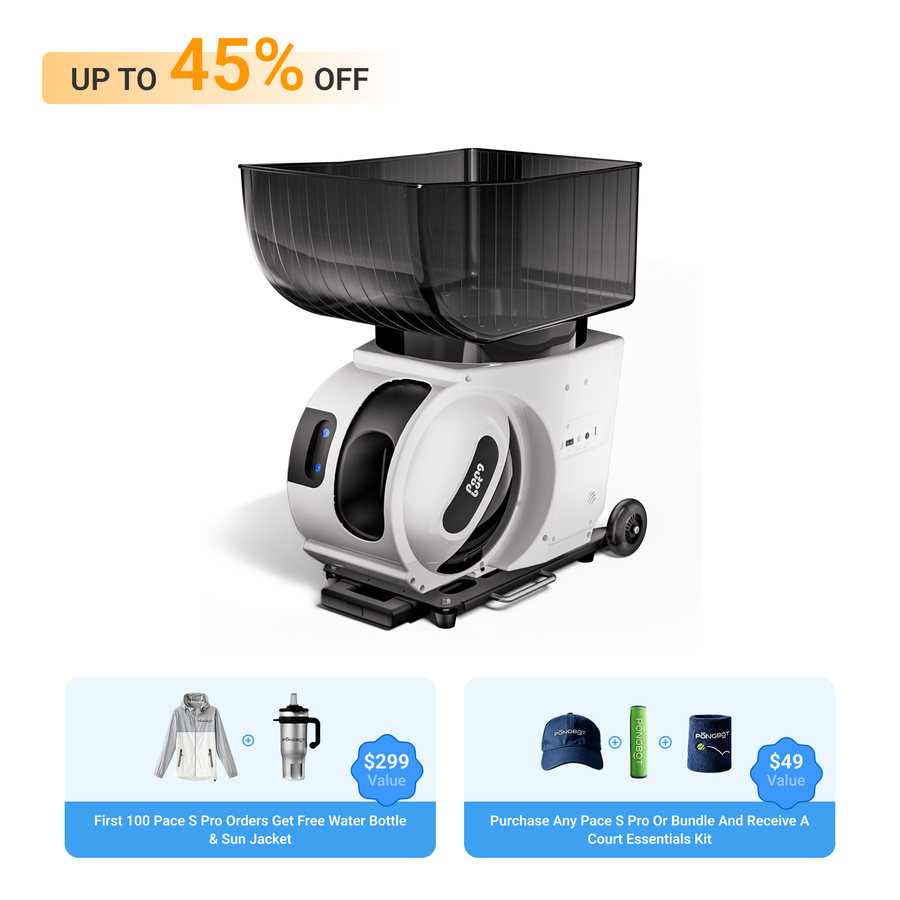
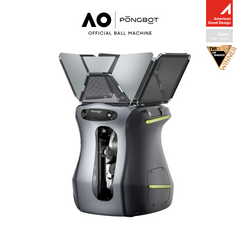
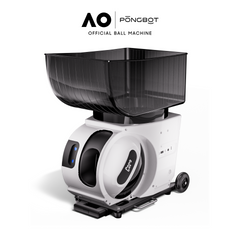
World's first AI-powered tennis ball machine with intelligent rally simulation, customizable drills, and realistic match practice.
Learn More Table Tennis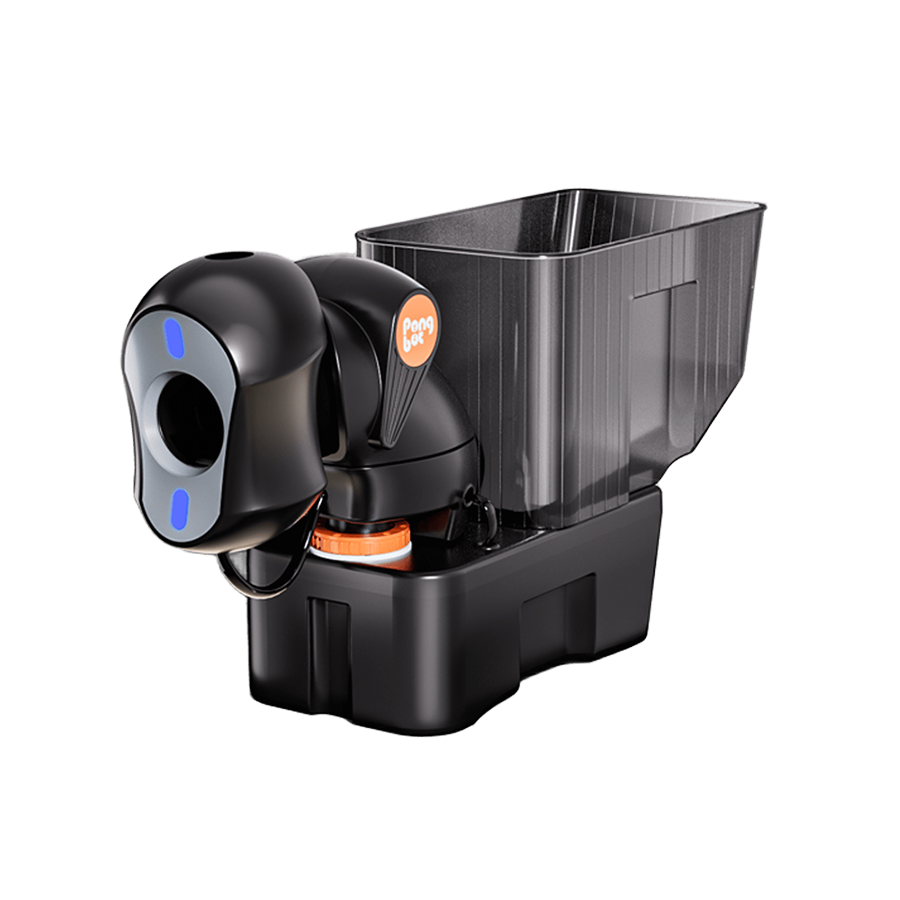
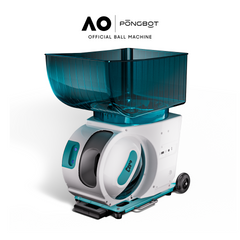
Portable AI table tennis robot with customizable spin, speed, placement, and hundreds of training drills.
Learn More Table Tennis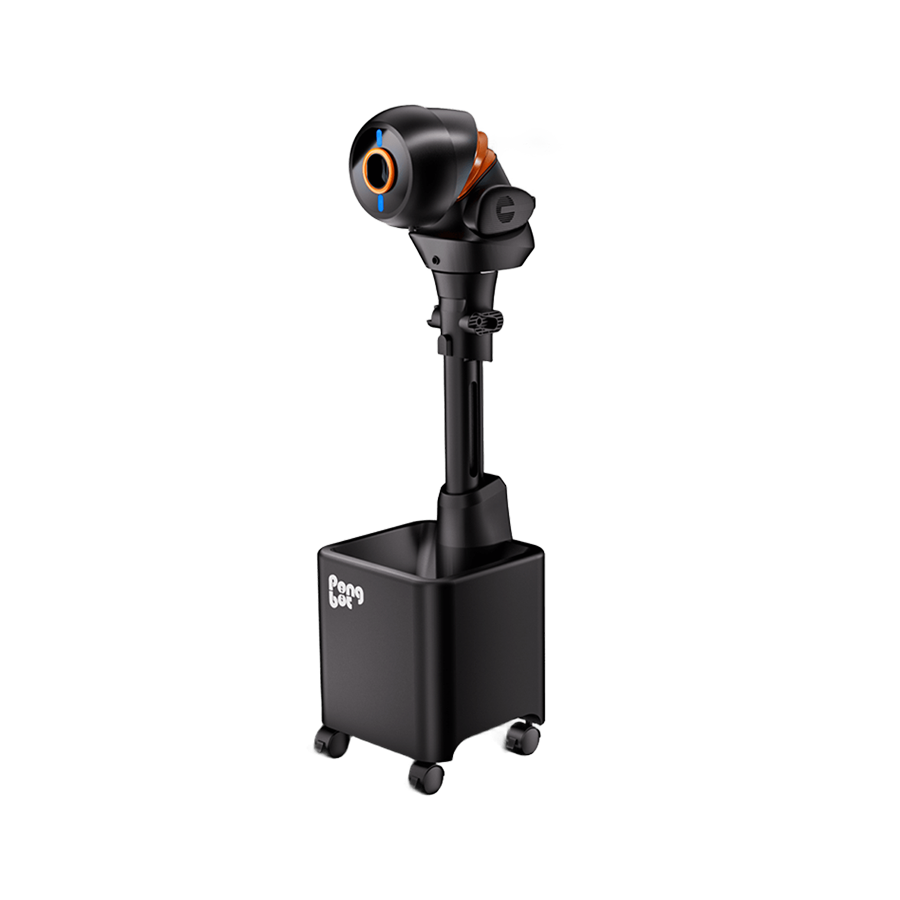
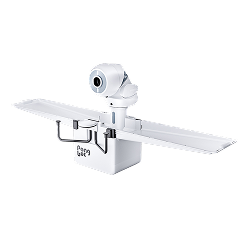
Professional floor-standing AI table tennis robot with advanced spin, programmable drills, and full-table training.
Learn More


