











Moving from a recreation level to higher skill tiers requires structured practice. Executing targeted pickleball drills for intermediate players is the most effective way to break through plateaus and elevate your rating from 3.0 to 4.0 or higher.
While beginner players focus on simply keeping the ball in play, intermediate players must master third shot drops, soft resets, controlled speedups, and fast hand battles at the kitchen line.
The 9 drills below train the situations that actually decide points, along with a simple plan for making them stick.
- Intermediate players lose points on transitions and resets, not on shots they already know how to hit.
- Crosscourt dinking with movement and transition zone resets close the biggest skill gaps first.
- Third shot drops need a live fifth ball added, otherwise the drill stops at the wrong point.
- Speed up and counter drills build the hand battle skill that decides most kitchen line points.
- 2 to 3 focused sessions a week, tracked with small scoring goals, beats random casual games.
What Distinguishes Intermediate Pickleball Players?
Intermediate players understand the basic rules and can sustain basic rallies. However, playing at a 3.5 or 4.0 level demands shot selection control, court placement, and tactical patience.
3.0 Skill Level
- Inconsistent 3rd Drops
- Hits Hard from Transition
- Pops Up Low Kitchen Dinks
- Basic Serve & Return
3.5 Skill Level
- Reliable 3rd Shot Drops
- Resets Some Hard Drives
- Controls Dinks Crosscourt
- Deep Serves & Returns
4.0+ Skill Level
- Mastered Drops & Drives
- Unshakable Reset Defense
- Attacks High Balls Fast
- Dictates Pace & Spin
Key Focus Areas for Intermediate Progress
- Third Shot Mastery: Choosing between a soft drop and a firm drive based on shot depth.
- Transition Zone Defense: Neutralizing fast opponent drives by dropping the ball softly into the kitchen.
- Kitchen Line Patience: Dinking with purpose to force opponent errors rather than speeding up balls that are too low.
- Counter-Attacking: Developing compact punch volleys to win fast-paced kitchen firefights.
9 Pickleball Drills for Intermediate Players
1. Crosscourt Dink Drill With Movement

Many intermediate players can dink consistently when the ball comes directly to them. The real challenge is maintaining control while moving side to side.
How to do it:
- Start a crosscourt dink rally from the kitchen line.
- Alternate your shots between your partner's forehand and backhand feet.
- Recover to a balanced ready position after every dink.
Focus on:
- Moving efficiently without losing balance.
- Keeping dinks soft and unattackable.
- Making smart shot selections instead of forcing winners.
2. Transition Zone Reset Drill
This drill helps you stay in control while moving from the baseline to the kitchen. It teaches you to reset difficult balls instead of popping them up.
How to Do It
- One player stands at the kitchen line.
- The other starts in the transition zone.
- The kitchen player feeds medium-paced balls.
- Reset each ball softly into the kitchen.
- Once comfortable, mix up the speed and placement of the feeds.
Focus On
- Soft hands.
- A relaxed grip.
- Using your legs instead of a large swing.
3. Third Shot Drop Into a Live Fifth Ball
A successful third shot is only the beginning of the point. This drill teaches you to continue moving forward and prepare for the next shot.
How to Do It
- Start with one player at the baseline and one at the kitchen.
- Hit a deep return.
- Play a third shot drop.
- Continue playing the fifth ball before stopping.
- Practice forehand and backhand drops from different court positions.
Focus On
- Smooth transition toward the kitchen.
- Staying balanced after the drop.
- Preparing for resets, volleys, or dinks.
4. Drive or Drop Decision Drill
Intermediate players need to recognize when to hit a third shot drive and when a drop is the better option.
How to Do It
- Set up like the previous drill.
- Your partner varies the depth of each return.
- Hit a drop on deep returns.
- Drive shorter balls that sit up.
Focus On
- Reading the incoming ball.
- Choosing the highest percentage shot.
- Keeping drives controlled instead of overpowering them.
5. Speed Up and Counter Drill
Fast hands alone do not win kitchen battles. Good timing and shot selection matter just as much.
How to Do It
- Begin with a crosscourt or straight-on dink rally.
- One player speeds up an attackable ball.
- The other practices blocking or countering the shot.
- Switch roles regularly.
Focus On
- Keeping the paddle up.
- Contacting the ball in front of your body.
- Staying balanced during fast exchanges.
6. Lob Defense and Overhead Recovery Drill
Lobs can disrupt even experienced players. This drill improves your movement, communication, and recovery after overheads.
How to Do It
- One player feeds occasional lobs.
- Turn and move quickly to the ball.
- Hit an overhead if balanced.
- If not, play a controlled reset.
- Recover immediately for the next shot.
Focus On
- Efficient footwork.
- Early communication.
- Choosing consistency over power.
7. Serve Plus First Ball Pattern Drill
A quality serve becomes more effective when you already know how you want to play the next shot.
How to Do It
- Serve to a specific target.
- Have your partner return the ball.
- Play your planned next shot, such as a third shot drop.
- Play a controlled drive.
- Practice a backhand reset.
- Repeat using different serve locations.
Focus On
- Building point patterns.
- Anticipating likely returns.
- Thinking two shots ahead.
8. Skinny Singles for Control and Conditioning
Skinny singles improve movement, consistency, and ball placement while requiring only half of the court.
How to Do It
- Play using only one half of the court.
- Play either crosscourt or straight ahead.
- Rally as you would during a normal singles game.
Focus On
- Accurate shot placement.
- Efficient footwork.
- Better conditioning and consistency.
9. Two-Ball Feed Reaction Drill
This fast-paced drill develops quick reactions and improves your ability to adjust to changing ball speeds.
How to Do It
- Have a feeder deliver two balls in quick succession.
- Mix soft shots and faster shots in random order.
- React to each ball instead of anticipating the next one.
- Keep each round short because the drill is physically demanding.
Focus On
- Split-step timing.
- Reading the ball early.
- Staying calm under pressure.
- Recovering quickly after every shot.
| Drill | Main Skill | Players Needed | Difficulty |
|---|---|---|---|
| Crosscourt Dink With Movement | Touch, recovery | 2 | Moderate |
| Transition Zone Reset | Soft hands, balance | 2 | Moderate |
| Third Shot Drop + Fifth Ball | Drop consistency, transition | 2 | Hard |
| Drive or Drop Decision | Shot selection | 2 | Hard |
| Speed Up and Counter | Hand speed, discipline | 2 | Hard |
| Lob Defense and Overhead | Movement, decision-making | 2 to 3 | Moderate |
| Serve Plus First Ball | Serve accuracy, patterns | 2 | Moderate |
| Skinny Singles | Control, conditioning | 2 | Hard |
| Two Ball Feed Reaction | Reaction, quick reads | 2 to 3 | Hard |
Common Intermediate Mistakes and How to Fix Them
| Mistake | Why It Happens | Fix |
|---|---|---|
| Popping up resets | Swinging instead of absorbing pace | Quiet hands, soft grip, lift from the legs |
| Forcing a drop from a bad position | Chasing a perfect shot too early | Play a neutral ball that buys time first |
| Losing dink exchanges | Getting impatient one ball too early | Wait for a ball above net height to attack |
| Freezing on speed ups | Paddle drops or reacts too late | Keep the paddle up, contact out in front |
| Backpedaling on lobs | Slow turn and late read | Turn early, call the ball, choose reset over hero shot |
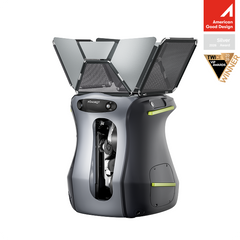
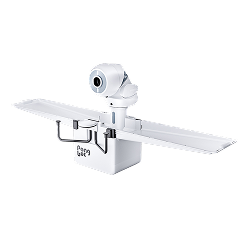
Most of these drills need a live partner to feed unpredictable pace and placement, which is exactly what makes them work. For solo reps between sessions, the PongBot Tennis Ball Picker speeds up ball collection during drop and reset practice so more of your time goes to hitting. If you are looking ahead to an automated feeder that also covers pickleball, the upcoming PongBot Aura is built to deliver varied speed, spin, and placement across tennis, pickleball, and padel, and it is currently open for early reservation.
Advanced Practice Using Smart PONGBOT Technology
While practice partners are valuable, training machines provide predictable, high-volume repetition that accelerates skill improvement.
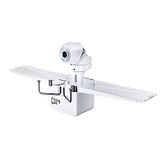
Modern multi-sport ball machines simulate match pace, varying spin rates, trajectory heights, and side-to-side placement. Training with the PONGBOT Aura AI Multi-Sport Robot allows intermediate players to practice difficult shots without partner fatigue.
Key features for intermediate skill building include:
- Custom Spin Settings: Practice returning heavy topspin drives and slice dinks under realistic conditions.
- High-Speed Counter Feeds: Program rapid volley feeds to improve reaction speed for kitchen firefights.
- Multi-Shot Sequences: Set sequences that deliver a deep drive followed by a short kitchen dink to test transition movement.
- Camera Performance Tracking: Combine training sessions with automated tracking systems detailed in Pongbot Built a Robot Referee Into Its New Ball Machine to measure consistency and reduce unforced errors.
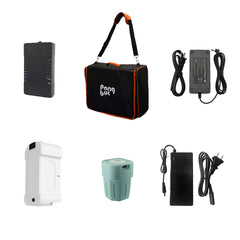
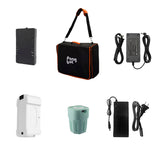
For players cross-training across racket sports, machines like the Pace S Pro AI Ball Machine offer customizable preset drills. Equipping your setup with official Pace Series Accessories Collection ensures reliable power for long court sessions.
How to Make These Drills Actually Work
The best pickleball drills for intermediate players are about tracking what breaks down, not doing more reps.
If your reset collapses under pace, keep the drill but change the feed.
If your drop looks clean in practice but disappears in games, add movement and a live fifth ball.
If your hands are quick but your shot choices are reckless, slow down and focus on selection over speed.
- Play a dink game to seven and track how many points you win on patience versus forced errors.
- Count how many resets out of ten land safely back in the kitchen.
- Try to hit five quality third shot drops in a row before moving to the next drill.
A little pressure and a little scorekeeping reveal the truth about your game faster than another casual set.
Conclusion
Pickleball drills for intermediate players work best when they add movement, pace, and a real decision to a shot you already know.
Pick two or three drills from this list, give them focused attention over a few weeks, and track a simple number each session.
Your practice will start to look more like the points you actually want to win, and that is what carries over into real matches.
Frequently Asked Questions
What drills should an intermediate pickleball player do?
Intermediate players benefit most from drills that add movement and pressure to shots they already know, such as crosscourt dinking with recovery, transition zone resets, third shot drop into a live fifth ball, and speed up and counter drills at the kitchen line.
How do I move from intermediate to advanced in pickleball?
Moving up a level usually comes down to consistency under pressure rather than new shots. Focus on resets from the transition zone, disguised third shot drops, and better shot selection during speed ups, then track your success rate instead of just playing casual games.
How many hours a week should intermediate players drill pickleball?
Two to three focused drilling sessions of 30 to 45 minutes a week is enough to see steady progress. Short sessions with a clear goal for each drill work better than long sessions with no specific focus.
What is the biggest weakness of intermediate pickleball players?
The most common weakness is the transition zone. Many intermediate players can dink at the kitchen and hit groundstrokes from the baseline, but they struggle to reset a fast ball while moving forward, which leads to popped up balls and lost points.
Can intermediate players practice these drills without a partner?
A few of these drills work solo with a wall or a ball feeder, including third shot drop practice and speed up reaction reps. Most, however, need a partner or coach to feed realistic pace and placement, since that unpredictability is what builds real match skill.
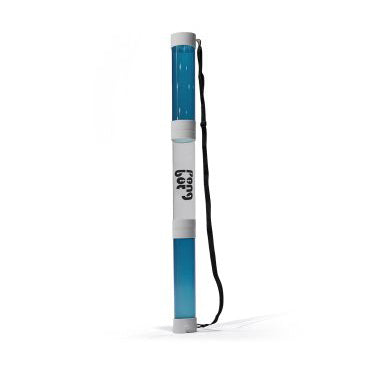
Holds 18 balls. Works for tennis, pickleball, and padel court cleanup between drills.
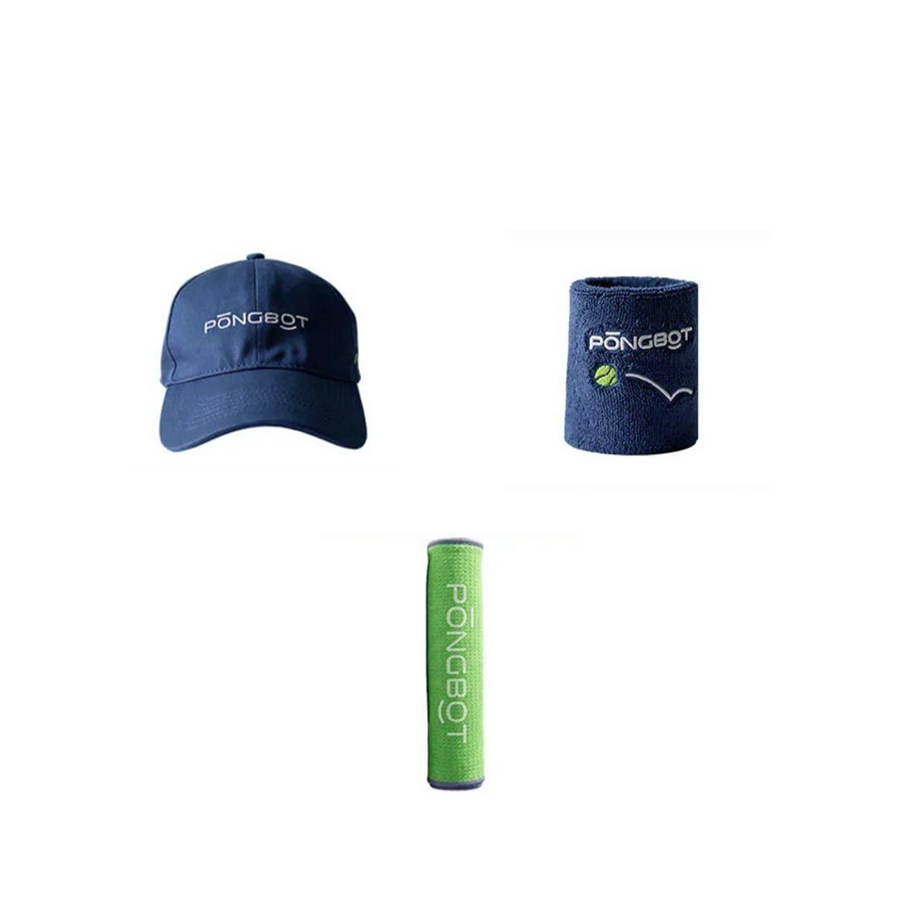
Cap, towel, and wristbands for longer, more comfortable drilling sessions.

The first AI robot built for tennis, pickleball, and padel. Reserve early access now.