










If you want to level up your skill rating, performing pickleball drills by yourself is the fastest path to progress. Most recreation players only hit shots during live games where chaotic rallies prevent true skill isolation.
When you train alone, you control the pace, lock in your technique, and build deep muscle memory through rapid repetition.
Whether you have a garage wall, an empty driveway, or access to an open court, solo training develops soft touch, laser serve placement, and sharp reaction speed.
This complete guide breaks down the most effective solo workouts to help you dominate your next match.
- Solo practice allows you to hit 3x to 5x more reps per minute compared to playing live casual matches.
- Wall dinking and volley drills build lightning-fast soft touch, reaction speed, and paddle control.
- Drop-and-hit baseline drives and target serve drills develop consistent depth and accuracy.
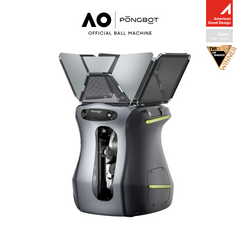
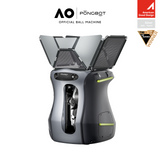
- Smart technology like the PONGBOT Aura AI Multi-Sport Robot delivers automated, match-realistic rally feeds for high-intensity training.
- A structured 30-minute daily workout routine turns mechanical repetition into winning match habits.
Why Practicing Pickleball Alone Accelerates Your Progress
Playing matches is fun, but games do not give you enough hits on specific shots. In a standard doubles match, you might only hit 15 to 20 third shot drops or kitchen dinks over 20 minutes. When you do pickleball drills by yourself, you can execute over 200 reps in that same time frame.
Key Benefits of Solo Pickleball Practice
- Uninterrupted Repetition: Isolating a single shot builds exact mechanical muscle memory much faster than scattered gameplay.
- Zero Pressure Environment: You can experiment with paddle angles, grip pressure, and footwork without fear of losing points for a partner.
- Pace Control: You decide the speed, duration, and difficulty of every exercise.
- Targeted Weakness Fixing: If your backhand dink or deep serve fails during matches, solo drills give you the isolated reps needed to fix the movement pattern.
Essential Wall Pickleball Drills By Yourself
A flat garage wall, brick building, or rebound board is one of the most powerful training tools in pickleball.
The wall gives you immediate feedback because the ball returns instantly based on how hard and flat you hit it.

1. The Kitchen Wall Dink Drill
- Goal: Improve control, paddle face angle, and soft touch near the Non-Volley Zone (NVZ).
- Setup: Draw or tape a net line 36 inches high on a smooth wall. Measure 7 feet back from the wall to mark your kitchen line.
-
How to Do It:
- Stand behind your 7-foot line.
- Bounce the ball off the floor so it hits the wall slightly above the 36-inch net line and bounces back in front of your feet.
- Keep your paddle low, push gently with your legs and shoulder, and maintain a soft grip pressure (around 3 out of 10).
- Perform 50 forehand dinks, then switch to 50 backhand dinks.
- Pro Tip: Keep your wrist still. Let your shoulder move the paddle to keep trajectory low and steady.
2. Speed Volley Drill (Fast Hands)
- Goal: Sharpen hand-eye speed and reaction time at the kitchen line.
- Setup: Stand 5 to 7 feet away from the wall in a athletic split stance with knees bent.
-
How to Do It:
- Volley the ball against the wall without letting it touch the ground.
- Alternate forehand and backhand contacts with minimal backswing.
- Aim to complete 30 consecutive volleys without dropping the ball.
- Pro Tip: Keep your paddle face out in front of your body at chest height. Compact strokes win fast hand battles.
3. Third Shot Transition Wall Drill
- Goal: Practice dropping balls gently into the kitchen from mid-court distances.
- Setup: Step back 12 to 15 feet from the wall.
-
How to Do It:
- Toss the ball gently against the wall or drop it at your feet.
- Hit a soft, lifted arc shot that lands low against the wall near the 36-inch line.
- Catch the return rebound or hit continuous soft arc drops off the bounce.
- Focus on lifting under the ball with relaxed wrists.
Comparison of Solo Practice Methods
Choosing the right solo setup depends on your goals, space, and available gear. The table below breaks down popular solo practice methods.
| Solo Method | Space Required | Repetition Speed | Setup Time | Primary Skill Focus |
|---|---|---|---|---|
|
Rebound Wall |
Garage door or flat outer wall |
Very High (30+ shots/min) |
1 minute |
Soft dinks, fast volleys, reaction timing |
|
Drop & Hit Drills |
Driveway or half court |
Medium (10-15 shots/min) |
2 minutes |
Deep serves, third shot drives, footwork |
|
Multi-Sport Robot |
Full or half court |
Adjustable High (15-40 shots/min) |
3 minutes |
Real match rally simulations, spin, depth |
|
Shadow Swings |
Living room or backyard |
High (No ball needed) |
0 minutes |
Stroke mechanics, weight transfer, balance |
Court and Driveway Pickleball Drills By Yourself
If you have access to an outdoor court, driveway, or park flat top, you can practice full-court movement and stroke placement without needing a wall rebound.

4. Serve Target Precision Drill
- Goal: Develop deep, reliable serves that push opponents behind their baseline.
- Setup: Place two cones, towels, or target markers inside the opponent baseline corners, about 2 feet inside the lines.
-
How to Do It:
- Stand behind your baseline with a hopper of balls like the Tennis, Padel & Pickleball Ball Picker.
- Aim 10 serves toward the deep forehand corner target.
- Aim 10 serves toward the deep backhand corner target.
- Score 1 point for hitting inside the court, and 3 points for striking the target cone.
- Target Score: Try to reach 20 total points out of 30 possible points.
5. Self-Feed Third Shot Drop Drill
- Goal: Master the arc and landing zone of your third shot drops from deep court positions.
- Setup: Place target buckets or towels inside the opponent's kitchen, 1 foot inside the net.
-
How to Do It:
- Stand at your own baseline.
- Drop a pickleball out of your hand, let it bounce, and gently stroke a soft, arcing drop into the opponent's kitchen.
- Repeat for 25 forehands and 25 backhands.
- Focus Point: Finish your stroke with a smooth follow-through reaching toward the top of the net.
6. Baseline Drive and Drop Combo
- Goal: Practice transitioning between aggressive groundstrokes and soft defensive drops.
-
How to Do It:
- Drop ball #1 and hit a firm, low baseline drive deep into the backcourt.
- Drop ball #2 immediately and execute a soft, high-arc third shot drop into the kitchen.
- Alternate between power drives and soft drops to develop fine paddle touch control under changing speeds.
Advanced Solo Practice with Smart Multi-Sport Robots
While wall drills and self-feeds are useful, they lack unpredictable pace, varied topspin, and dynamic lateral movement.
Using high-tech equipment transforms how you perform pickleball drills by yourself by delivering continuous, customizable match feeds.
7. Next-Level Solo Training with PONGBOT Technology
Modern smart machines are designed to simulate realistic opponent patterns. For players seeking complete multi-sport capability, the PONGBOT Aura AI Multi-Sport Robot delivers precision shot placements, custom ball speeds, and adjustable multi-angle feeds for tennis, pickleball, and padel.
Key features that elevate solo pickleball practice include:
- Adaptive Rally Feeds: Adjusts shot rhythm based on your court recovery position.
- Custom Spin Control: Practice reading heavy topspin drives or slick underspin kitchen drops.
- Kitchen Soft-Game Simulation: Program repetitive dink patterns to refine kitchen battles.
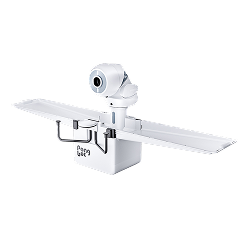
- Smart Performance Tracking: Pair your machine with modular camera systems described in Pongbot Built a Robot Referee Into Its New Ball Machine to automatically analyze shot distribution, rally consistency, and error patterns.
If you also cross-train in tennis or fast-paced racquet sports, machines like the Pace S Pro AI Ball Machine offer full-court coverage, high speed, and customizable preset drills paired with genuine Pace Series Accessories for continuous home court sessions.
30-Minute Daily Solo Pickleball Routine
Consistency beats duration. Spending 30 focused minutes every day performing structured solo drills creates faster improvement than playing 3 hours of unorganized casual games once a week.
Daily Workout Plan Breakdown
| Time | Phase | Drill Name | Key Technical Focus |
|---|---|---|---|
|
00:00 - 05:00 |
Warm-Up |
Soft Wall Dinks |
Light feet, broad shoulder movement, soft grip |
|
05:00 - 12:00 |
Hand Speed |
Wall Speed Volleys |
Compact paddle face, split step, fast reactions |
|
12:00 - 20:00 |
Precision |
Self-Feed Third Shot Drops |
Smooth low-to-high paddle arc, soft landing |
|
20:00 - 27:00 |
Depth & Power |
Target Serves or Drives |
High-to-low body weight transfer, deep targets |
|
27:00 - 30:00 |
Cool Down |
Shadow Footwork & Stretching |
NVZ lateral sliding, split-stepping, shoulder recovery |
Common Solo Training Mistakes and How to Fix Them
It is easy to develop bad mechanical habits when training alone because no partner or coach is giving real-time feedback. Watch out for these common errors:
-
Mistake 1: Hitting Too Hard on Wall Drills.
- Fix: The wall returns the ball at the speed you hit it. Focus on gentle, controlled touch rather than slamming the ball.
-
Mistake 2: Standing Rigid Without Footwork.
- Fix: Perform an active split-step every time the ball hits the wall or leaves a robot feeder. Stay light on the balls of your feet.
-
Mistake 3: Overusing Your Wrist.
- Fix: Flicking your wrist causes high, pop-up balls that opponents can easily smash. Lock your wrist and push through the shot using your shoulder joint.
-
Mistake 4: Practicing Without Clear Targets.
- Fix: Always place target cones, chalk lines, or tape markers on your court or wall so every repetition has a clear goal.
Frequently Asked Questions
Can you practice pickleball by yourself?
How do you practice pickleball wall drills at home?
What is the most important pickleball drill to practice alone?
How long should a solo pickleball practice session last?
How do smart ball machines help solo pickleball players?
Mastering pickleball drills by yourself is one of the most effective ways to upgrade your game and boost your rating.
By combining structured wall rebound exercises, target serve drop-and-hits, and high-tech multi-sport machinery, you can build reliable soft touch, lightning reaction speed, and deep match confidence.
Commit to 30 minutes of focused solo training three times a week, track your progress with target markers, and watch your on-court performance transform during your next competitive match!
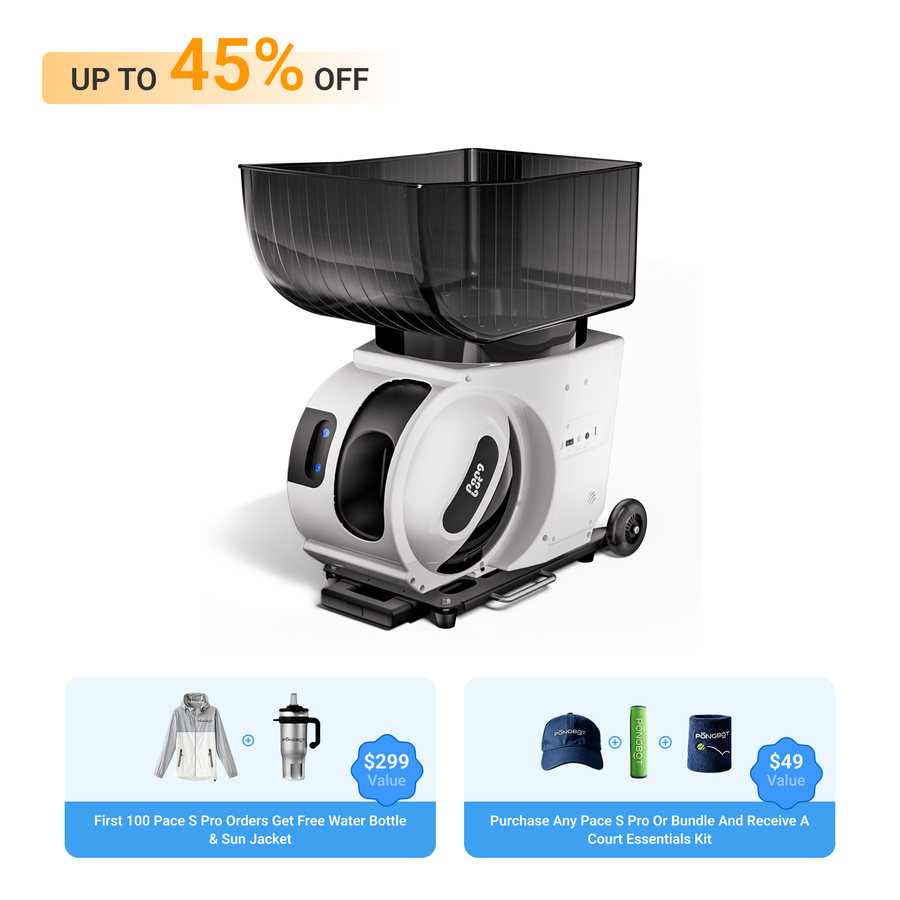
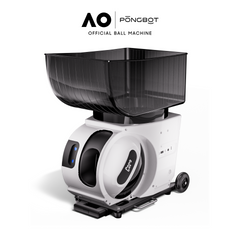
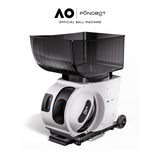
AI-powered tennis ball machine designed for customizable drills and realistic solo practice.
Learn MoreTable Tennis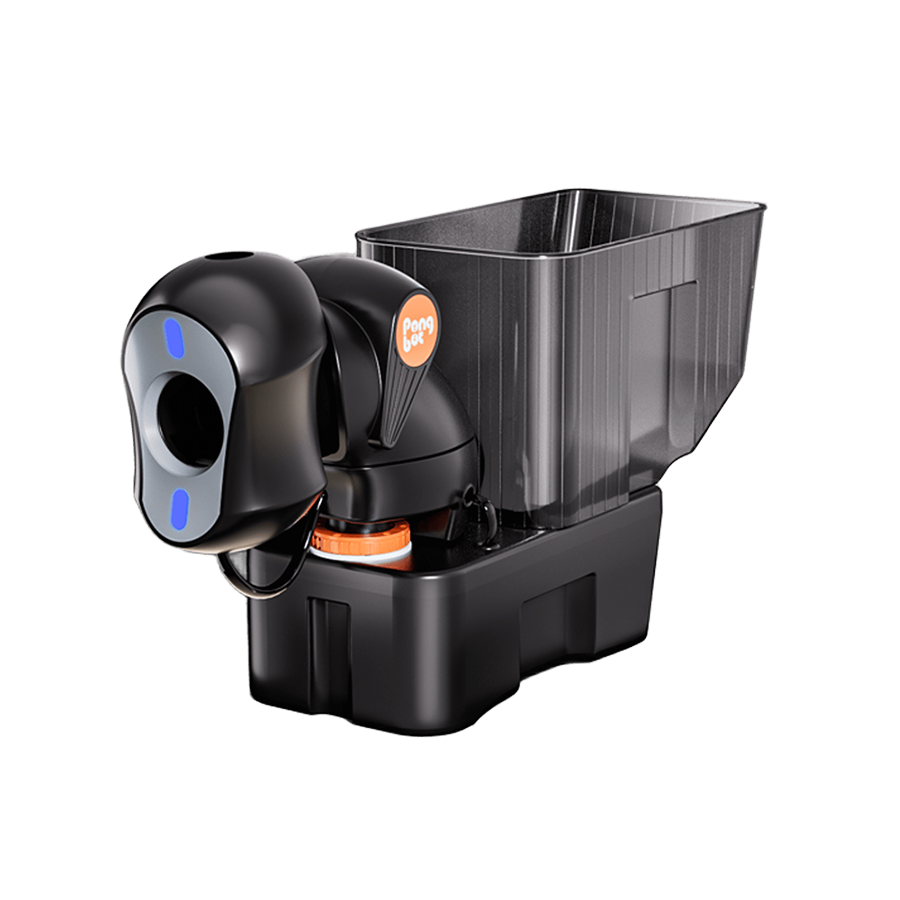
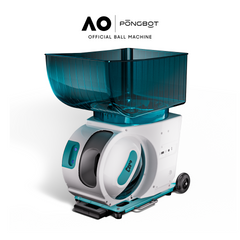
Portable table tennis robot with adjustable speed, spin, placement, and training patterns.
Learn MoreTable Tennis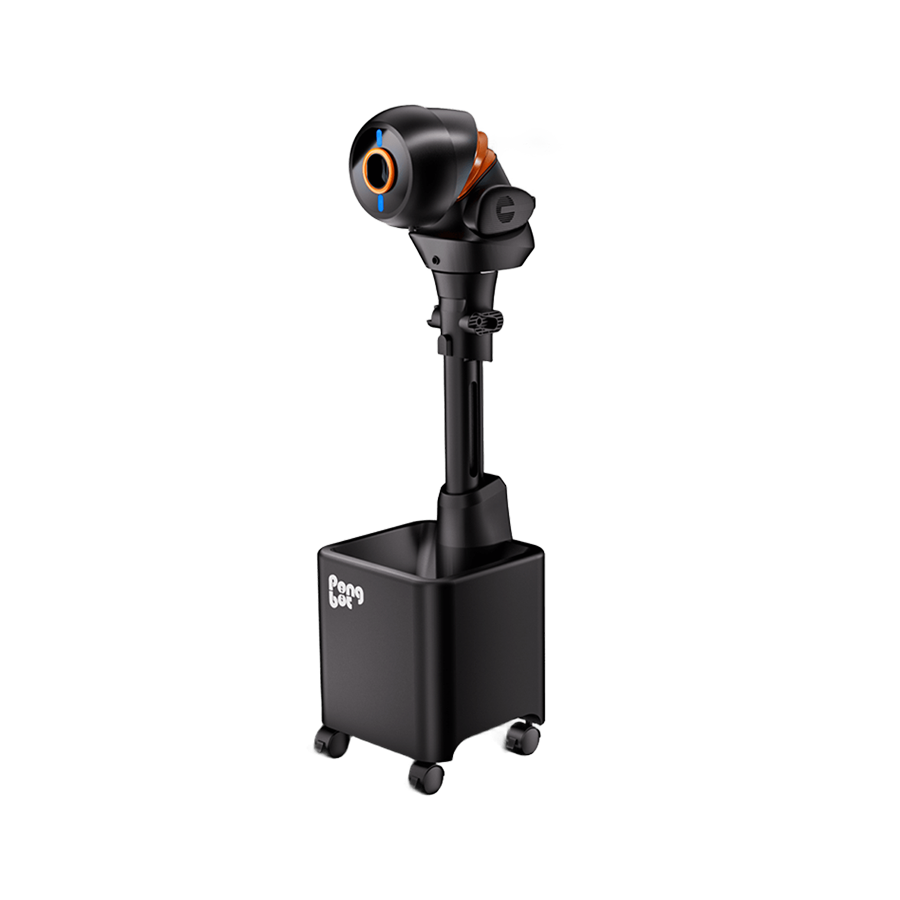
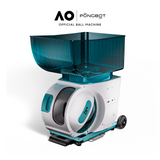
Advanced table tennis training robot built for programmable drills and full-table practice.
Learn More


