










Fast hands don't win rallies if your feet get there late. These pickleball footwork drills target the specific movement that builds real court speed: quicker first steps, cleaner direction changes, and faster recovery between shots.
Do them two to three times a week and you'll notice the difference within a month.
- Court speed comes from reacting sooner, not sprinting harder.
- The split step is the single biggest lever for faster reactions.
- Agility ladder and cone drills build the quick, small steps pickleball actually uses.
- Sprint-and-recover intervals train the transition from baseline to kitchen line.
- Most drills below need no partner and take under 10 minutes.
Why Footwork Controls Everything in Pickleball
Most players stuck at the same level don't have a swing problem. They have a movement problem.
You hit a shot, and for a fraction of a second, your feet stop. That pause forces your next shot to be late, rushed, and off balance, and your opponent only needs that fraction of a second to attack.
Footwork is not just speed. It is positioning, recovery, and readiness working together.
Players who move efficiently stay balanced, cover the non-volley zone better, and get to more balls in a controlled position instead of reaching for them at the last second.
Core Footwork Movement Principles
- Low Center of Gravity: Keep your knees bent and weight loaded on the balls of your feet, not your heels.
- Split Step Timing: Time a small two-foot hop right as your opponent swings. This unweights your legs, allowing instant movement in any direction.
- Compact Recovery: Return to your center recovery position immediately after hitting every shot.
- Balanced Hitting Base: Stop moving your feet right before striking the ball whenever possible.
7 Pickleball Footwork Drills for Faster Court Speed

1. Split Step Timing Drill
Stand at the kitchen line in an athletic stance. Take a small hop, landing with feet shoulder-width apart just as a partner (or a bounced ball) makes contact.
Time the hop so you land right as contact happens, not before or after. This builds the reaction window every other drill depends on.
2. Agility Ladder In-In-Out-Out
Step both feet inside each ladder rung, then both feet outside, moving forward one rung at a time. Stay on the balls of your feet throughout.
This drill builds the small, quick steps pickleball actually uses, unlike the long strides other sports train.
3. Cone Shuffle Recovery Drill
Place three cones in a small triangle near the kitchen line. Shuffle to each one, touch it with your paddle, and recover to center before moving to the next.
Recovery to center is the part most players skip. This drill forces it every single rep.
4. Forward-Backward Sprint Transition
Sprint from the baseline marker to the kitchen marker, then immediately backpedal to the start. Repeat for 30-second intervals.
This trains the exact transition you make after a third shot drop, moving forward without losing balance.
5. Lateral Bound (Skater Jump) Drill
Jump sideways from one foot to the other, landing softly with a bent knee each time. Push off with power and control the landing.
Skater bounds build the explosive first step that gets you to a wide dink before it's out of reach.
6. Reaction Ball Wall Drill
Bounce the ball off the ground into the wall so it comes back at an unpredictable angle. React with your feet before you reach with your paddle.
This builds the fast-hands, fast-feet combination needed for quick net exchanges.
7. Shadow Footwork Sequence
Without a ball, move through a serve-return-kitchen sequence using your feet only. Split step, sprint forward, shuffle, and pivot as if a real point were happening.
Shadow work lets you focus purely on movement quality, without a shot to worry about.
| Drill | Primary Benefit | Equipment |
|---|---|---|
| Split Step Timing | Reaction speed | None |
| Agility Ladder In-In-Out-Out | Quick, small steps | Agility ladder |
| Cone Shuffle Recovery | Center recovery habit | 3 cones |
| Forward-Backward Sprint | Baseline-to-kitchen transition | 2 markers |
| Lateral Bound | Explosive first step | None |
| Reaction Ball Wall | Fast-feet, fast-hands combo | Reaction ball, wall |
| Shadow Footwork Sequence | Movement quality without a shot | None |
Common Mistakes
Speed drills lose their value fast if the basics are off.
- Standing heel-heavy. Weight on your heels slows every reaction by a full step.
- Skipping recovery. Sprinting to the ball without recovering to center leaves you exposed.
- Long strides. Big steps feel powerful but throw off balance on a small court.
- Training tired. Footwork drills need fresh legs. Do them early in your session.
- No timing cue. Split stepping on your own rhythm instead of your opponent's contact defeats the purpose.
Frequently Asked Questions
How often should I do pickleball footwork drills?
Two to three sessions a week of 15 to 20 minutes each is enough to see real improvement. Consistency matters more than duration. Doing a few footwork drills before every match warm-up also helps reinforce the timing and movement patterns during actual play.
What is the most important footwork skill in pickleball?
The split step is widely considered the most important footwork fundamental. It's a small, timed hop that loads your legs right as your opponent hits the ball, letting you push off faster in any direction. Without it, players stay flat-footed and react a full step late to every shot.
Can I improve footwork without a partner?
Yes. Agility ladders, cone drills, shadow footwork sequences, and a reaction ball against a wall all work solo. Many of the fastest gains in court speed come from solo drills done consistently, since they let you repeat a movement pattern without waiting on a feed or a rally partner.
Do agility ladders actually help pickleball speed?
Yes, when the pattern matches the sport. Ladder drills that emphasize small, quick steps on the balls of your feet translate directly to pickleball movement. Patterns built for long strides, common in other sports, translate less well and should be adapted to shorter, quicker steps.
How long does it take to notice faster court speed?
Most players notice a difference within three to four weeks of consistent practice, two to three sessions weekly. Reaction-based drills like the split step tend to show results faster than pure strength or endurance work, since they retrain timing rather than building new muscle.
Conclusion
Faster court speed in pickleball comes from earlier reactions, not longer sprints.
Work these seven pickleball footwork drills into your routine and your first step will start beating the ball to the spot instead of chasing it.
----
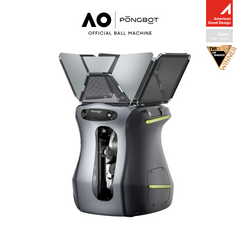
PongBot is developing Aura, a multi-sport training robot built to feed tennis, pickleball, and padel from the same machine, with a pickleball mode tuned specifically for dinks, third-shot drops, and kitchen placement.

It's currently available through a reservation deposit ahead of its full launch, not yet shipping as a finished product, so treat it as one to watch rather than something to buy today.
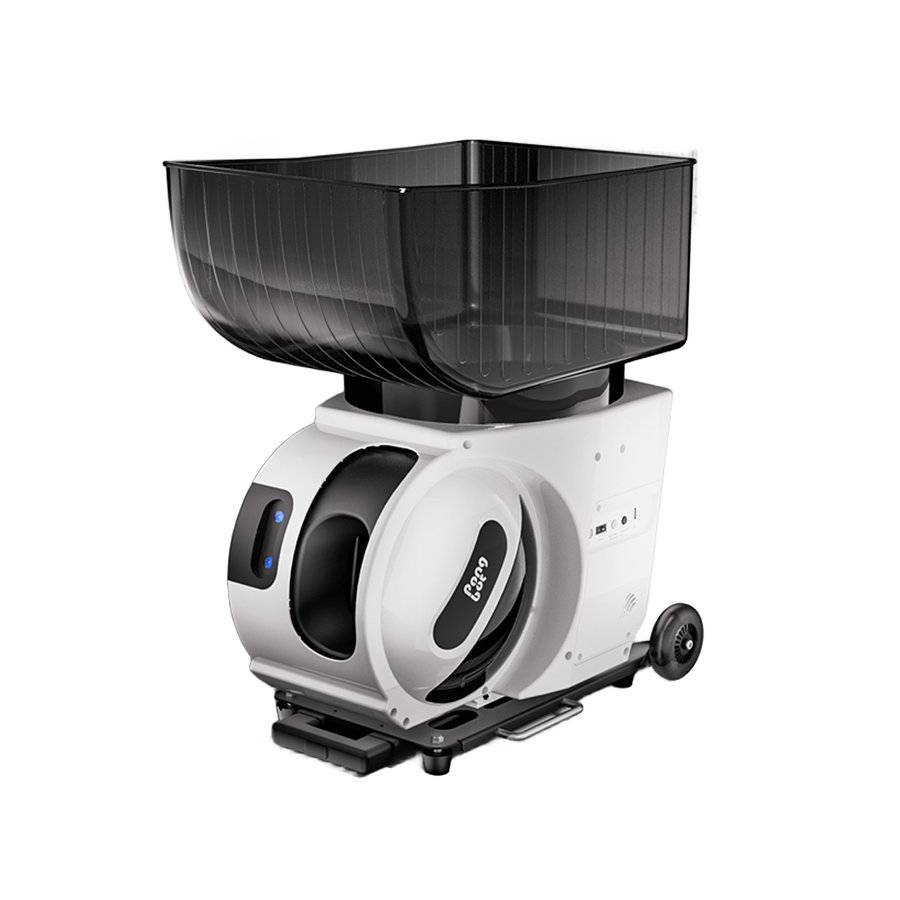
Build focused tennis sessions with smart, repeatable ball feeds.
View Product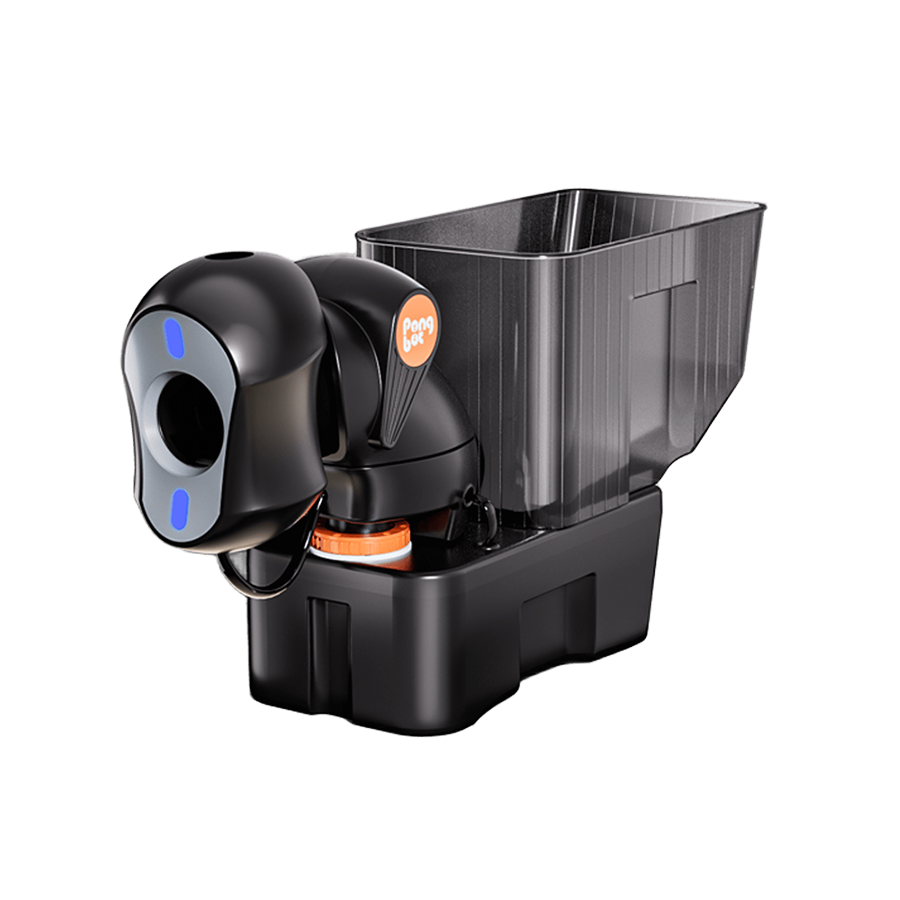
Practice table tennis drills with consistent and adjustable feeds.
View Product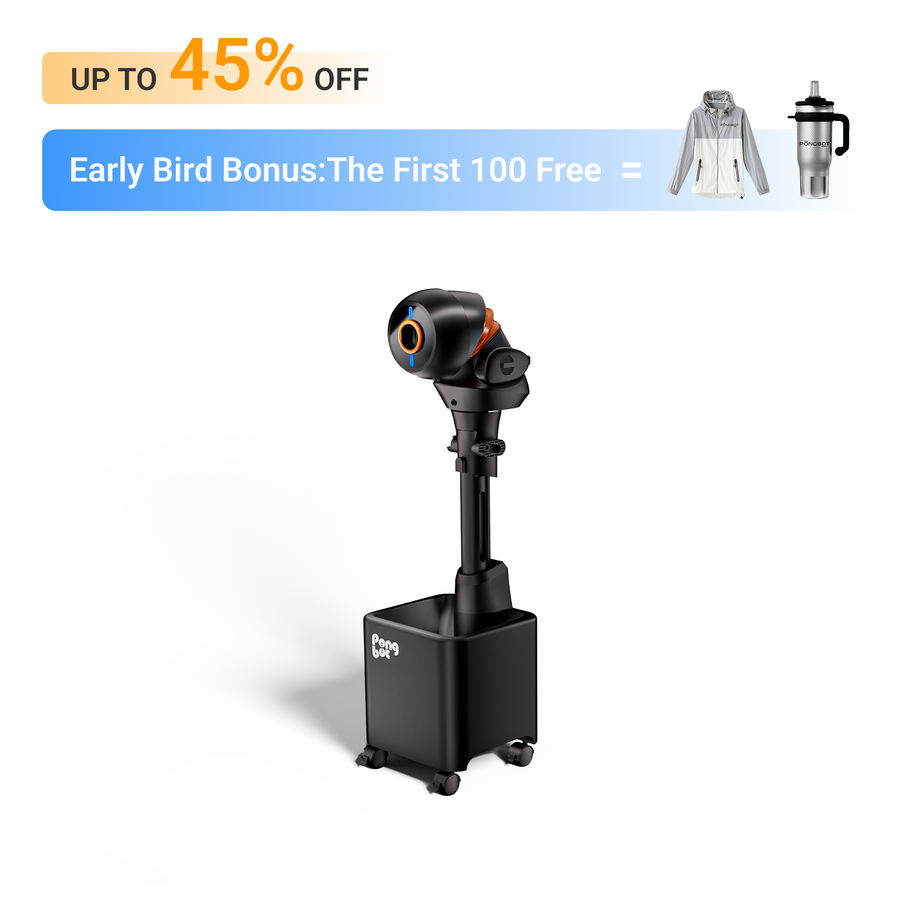
Train your timing, placement, and reactions with repeatable feeds.
View Product
Collect tennis and pickleballs faster between practice rounds.
View Product


