







Stuck at 4.0 or 4.5? The problem is rarely effort. Your drills may not match what happens in a real match. This guide covers nine advanced pickleball drills for hand speed, shot selection, and footwork. You'll also learn how to structure a session and train solo.
- Most players stop improving because they practice their best shots instead of their weakest ones.
- Hand speed, resets, and dinking control separate 4.0 players from 4.5 players.
- Nine drills below cover speed-ups, drive-drop combos, resets, dinks, footwork, and serves.
- A focused session runs 45 to 60 minutes and mixes technique with real pressure.
- You can run several drills solo using a wall or a ball picker.
Why Basic Drills Stop Working At This Level
Most players who plateau are drilling the wrong thing. It's not that they practice too little. A 4.0 player might drill forehand dinks for an hour. But if their backhand reset breaks down, that's the real problem.
Before choosing drills, get real data. Film a match, or track your unforced errors for one game. That single data point beats a month of unfocused practice.
Advanced play punishes drills that feel good but don't transfer. Calm dinking with no pressure builds touch. But it won't prepare you for a real speed-up war.
The drills below target what breaks down first. That means hand speed, shot choice, and recovery after a bad ball.
9 Advanced Pickleball Drills That Push You From 4.0 To 4.5

- Fast Hands At The Net. Stand close to the net with a partner. Volley back and forth, then speed up until someone misses. This drill builds the speed you need to react in real points.
- Third Shot Drive-Drop Combo. Alternate a hard, low drive with a soft third shot drop. Use the same setup each time. Mixing these two shots keeps your opponent guessing.
- Reset Under Pressure. Have a partner feed hard, fast balls at your body. Stand at the kitchen line, the no-volley zone near the net. Block each ball softly into the kitchen instead of attacking it.
- Cross-Court Dink Patterns. Dink cross-court with a partner in a steady rally. Every fifth ball, switch to a straight dink instead. This trains you to read and react, not just repeat.
- Around The Post (ATP). Practice hitting a ball that lands wide of the sideline. Hit it back around the outside of the net post. It's a low-percentage shot, but it sharpens your feel for angles.
- Erne Drill. Have a partner feed dinks toward the sideline. Step around the kitchen, not through it, to attack the ball. This shot rewards footwork more than paddle speed.
- Shadow Footwork Ladder. Without a ball, practice moving between the baseline and the net. Use split-steps, side shuffles, and quick recovery steps. Being in position early wins more points than scrambling.
- Serve Depth And Placement. Pick a target within two feet of the baseline. Serve to it again and again, mixing hard and slow serves. Aim for at least 100 serves per session.
- Point Construction And Transition. Start every rep from a return of serve. Play the point out, moving from the baseline to the net with purpose. This drill ties the other eight together like a real match.
| Drill | Primary Focus | Suggested Reps |
|---|---|---|
| Fast hands at the net | Hand speed, reaction time | 3-5 minute rounds until miss |
| Third shot drive-drop combo | Shot selection, disguise | 20-30 reps per side |
| Reset under pressure | Touch, composure | 15-20 reps per player |
| Cross-court dink patterns | Consistency, pattern reading | 10-minute sustained rally sets |
| Serve depth and placement | Accuracy, disguise | 100 serves per session |
How To Structure An Advanced Pickleball Drills Session
Drilling technique alone won't hold up in a real match. Split your session into four short blocks, like this:
- Warm-up (5-10 minutes): Review basic mechanics so bad habits don't creep back in.
- Skill focus (15-20 minutes): Work one skill, like resets or hand speed.
- Combo drills (15-20 minutes): Chain two or three drills into one sequence.
- Live points (10-15 minutes): Start each point from a serve or return.
Most players skip straight to live points. But warming up through focused drills first makes a bigger difference.
What Separates A 4.0 From A 4.5 Player
Not sure which drills to focus on? It helps to understand pickleball skill levels and what changes between these two ratings. Power matters less than consistency, depth, and shot variation.
| Skill | 4.0 Player | 4.5 Player |
|---|---|---|
| Forehand | Consistent depth and control, learning shot selection | Varies pace, spin, and placement to create advantages |
| Backhand | Solid mechanics, may struggle with power and placement | Matches forehand in control and can attack off it |
| Serve/return | Over 90% of serves and returns in play | Consistently varies speed and depth to pressure opponents |
| Dinking/resets | Can sustain rallies but breaks down under speed-ups | Stays composed and resets consistently under fast exchanges |
Training Solo Without A Partner
Not every session has a partner. Wall drills work well for hand speed and resets. Stand a few feet from a wall and keep a low volley going. Focus on soft hands, not power.
For serve and drive practice, use a bucket of balls. Set a target on the court and serve to it. This builds most of the reps you need alone.
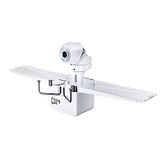
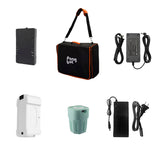
Solo sessions waste time chasing loose balls. A ball picker built for tennis, padel, and pickleball can help. It collects up to 18 balls in one pass, so you spend more time drilling.
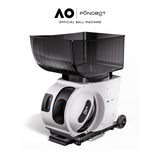
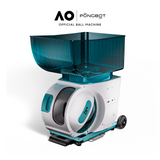
Want a machine that feeds pickleball drills? PONGBOT Aura is in its reservation stage now. It's a multi-sport machine built for tennis, pickleball, and padel.
Note: PONGBOT's current tennis ball machines don't support pickleball yet.
Common Mistakes Advanced Players Make
The biggest mistake is drilling what feels good. A strong forehand tempts you to drill it more. But your weak backhand reset may be costing you the points. Track your errors honestly before you drill.
The second mistake is skipping pressure. Calm dinking with no score builds touch, not composure. Add scoring, speed changes, and fatigue to your drills. This makes them feel like a close, real game.
The third mistake is always drilling alone. Try to find a partner instead when you can. Wall drills and solo reps help, but they can't replace a real opponent. A partner reads your shots and reacts, which you can't fully simulate alone.
Frequently Asked Questions
What Is The Best Drill To Move From 4.0 To 4.5 In Pickleball?
The reset drill under pressure has the biggest impact. Have a partner feed hard, fast balls at your body. Stand at the kitchen line and block each ball softly. Aim the ball back into the kitchen, not at your opponent. Most players stall at 4.0 because they can't reset under pressure. Pair reset work with hand speed drills at the net. Together, these close the two biggest gaps between 4.0 and 4.5 play.
How Often Should Advanced Pickleball Players Drill?
Two to four hours a week is usually enough. What matters more than hours is consistency and focus. Two sessions a week on your real weaknesses beat five random sessions. Drill shots you're already good at, and you won't improve much. Drill with a plan, and you'll move up faster. Focused practice always beats more practice.
What Is The Hardest Shot To Master In Pickleball?
Most coaches point to the third shot drop. It needs soft hands and a precise, gentle arc. Many players overhit it under pressure. The reset shot is a close second. It asks you to absorb pace and place the ball softly while your opponent attacks. Both shots reward touch over power. That's why they take longer to master than a drive or serve.
Can You Improve At Pickleball Without A Partner?
Yes, up to a point. Wall drills build hand speed and reset touch. Serve and drive practice works well with a bucket of balls and a target. A ball picker helps by cutting time spent collecting balls between reps. Still, solo work can't fully replace live points. A real opponent reads your shots and reacts, which drills alone can't copy. Use solo reps to supplement partner drills, not replace them.
What Separates A 4.0 Player From A 4.5 Player?
Consistency and shot variation matter more than raw power. A 4.0 player usually hits with good depth and control. But one stroke, often the backhand, breaks down under speed. A 4.5 player varies pace, spin, and placement on both sides. They also stay calm during fast net exchanges. The jump comes from closing specific gaps. It's not about hitting harder overall.
Conclusion
These nine advanced pickleball drills give you a real path past the 4.0 or 4.5 wall. Drill what actually breaks under pressure, not what feels comfortable.
Build sessions around hand speed, resets, and dink control, then add scoring and pace so practice feels like a real match.
Grab a ball picker to keep more reps flowing, and put these drills on your court this week.
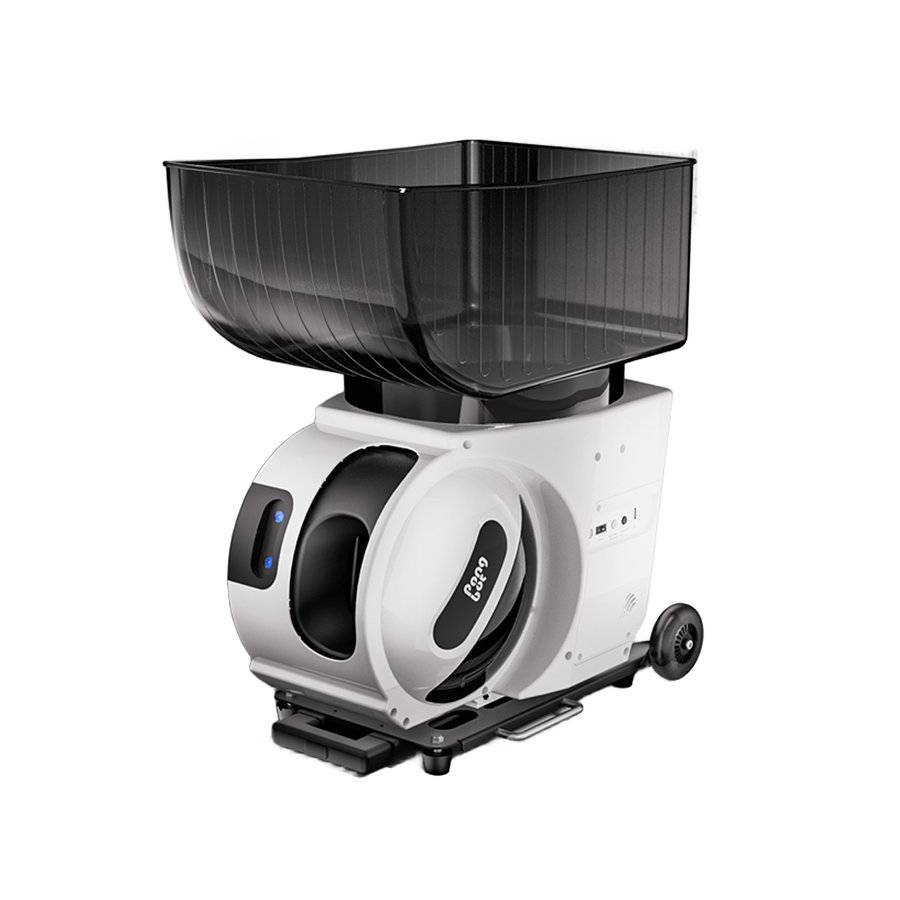
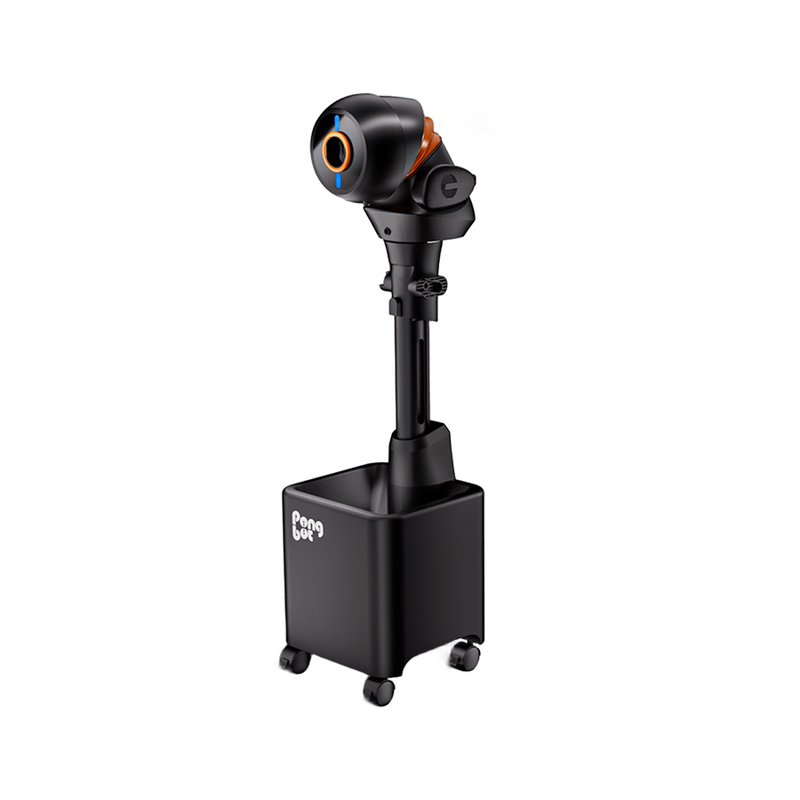
Train with realistic ball speed, spin, placement, and customizable drills for more effective practice.
View Product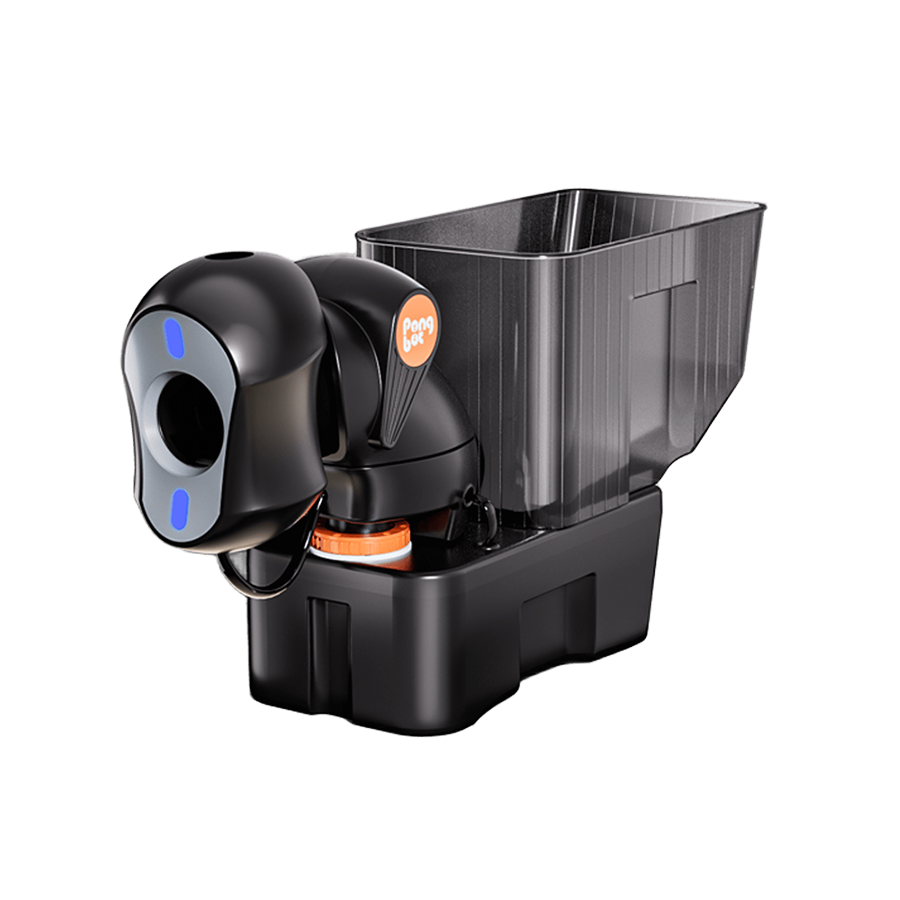
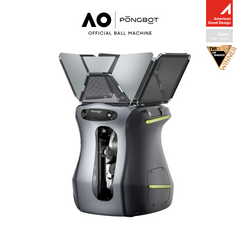
Improve consistency, footwork, and reaction time with programmable multi-ball training.
View Product
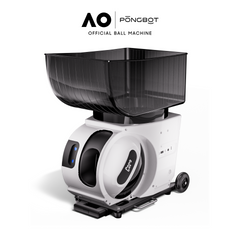
Build better timing, accuracy, and stroke mechanics with advanced table tennis training.
View Product
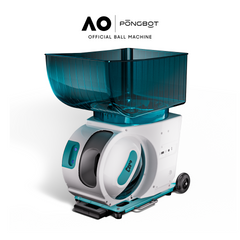
Spend more time practicing and less time collecting balls during every training session.
View ProductKeep Reading