


Popular searches






Tennis Training Aids
Hide filter
Sort by:
Clear all
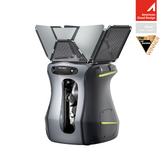
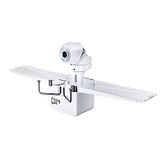
Pace S Pro
$1,219.99 USD
Unit price
Regular price
$1,999.99 USD
Sale price
per
Options


Pace S Pro
$1,219.99 USD - $1,509.99 USD
Unit price
per
39%
OFF
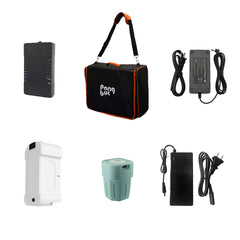
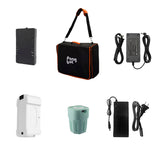
Pace Series Accessories
$119.99 USD
Unit price
Regular price
$149.99 USD
Sale price
per
Options


Pace Series Accessories
$69.99 USD - $199.99 USD
Unit price
per
20%
OFF
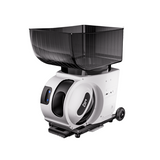
Pace S
$999.99 USD
Unit price
Regular price
$1,699.99 USD
Sale price
per
Option


Pace S
$999.99 USD
Unit price
Regular price
$1,699.99 USD
Sale price
per
41%
OFF
Table Tennis Ball Picker
$47.99 USD
Unit price
Regular price
$69.99 USD
Sale price
per
Option
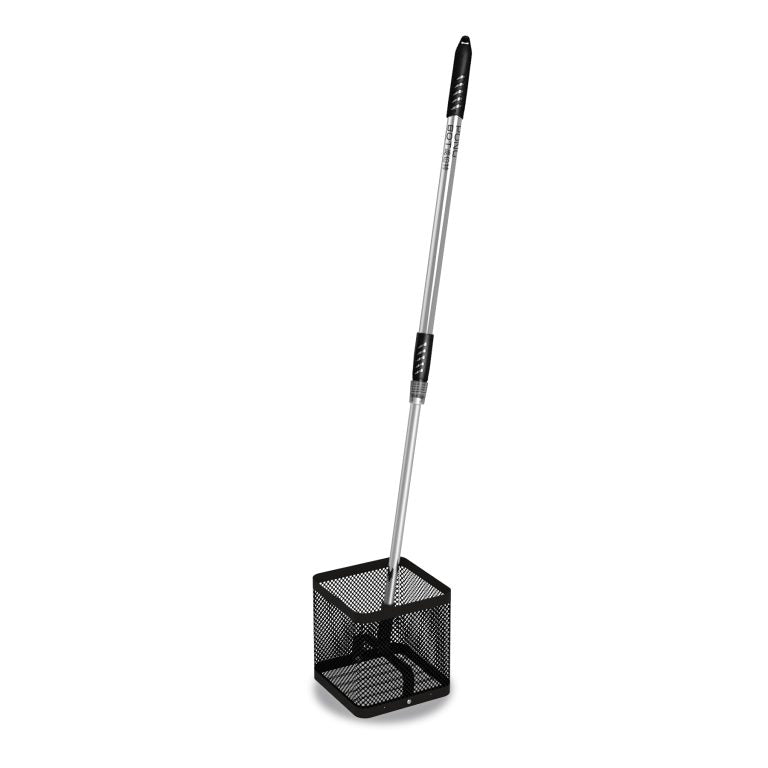

Table Tennis Ball Picker
$47.99 USD
Unit price
Regular price
$69.99 USD
Sale price
per
31%
OFF
Tennis Ball Picker
$47.99 USD
Unit price
Regular price
$69.99 USD
Sale price
per
Option


Tennis Ball Picker
$47.99 USD
Unit price
Regular price
$69.99 USD
Sale price
per
31%
OFF
Tennis training aids cover everything from a simple topspin trainer you strap on in the backyard to a full AI powered ball machine that runs a match style session on its own. Here is how the main categories of tennis training equipment compare, plus a look at the ball machines, training tennis balls, and smart training tools PongBot builds for solo practice.
$20 to $300
Typical range for stroke and grip trainers
150 Balls
Hopper capacity on Pace S Pro
80 mph
Max feed speed on the Pace series machines
8+ Hours
Battery life on Pace S and Pace S Pro
What Are Tennis Training Aids?
Tennis training aids are any tools built to help you develop a specific skill, be it a stroke, a serve, footwork, or shot consistency, without needing a full match or even a hitting partner. The category spans a wide range of tennis training equipment: stroke trainers that isolate swing path, grip aids that correct hand position, agility gear for footwork, ball machines that automate the feed, and the training tennis balls and sensors that support all of it.
What ties the category together is repetition. A match might give you a handful of chances at a specific shot in an hour, while the right tennis training tools can turn that into dozens of focused reps in the same window, which is what actually builds muscle memory over time.
Why Add Training Aids to Your Practice
Consistent, Repeatable Reps
A training aid delivers the same ball, speed, or motion every time, which is exactly what your body needs to groove a stroke rather than react differently on every swing.
Solo Practice, Any Schedule
Not every session needs a partner or a coach. The right aid lets you drill on your own time, whether that is early morning or a quick session after work.
Isolate the Actual Problem
Stroke and grip trainers let you work on one mechanic at a time, which is far harder to isolate during a live rally where everything is happening at once.
Data on Real Progress
Newer sensor based tools can track shot speed, spin, and footwork over time, giving you an actual measure of whether a drill is working instead of a guess.
The Main Types of Tennis Training Equipment
Stroke and Topspin Trainers
Devices that isolate paddle or racket face angle and swing path on a tethered ball, letting you repeat the same contact point dozens of times in a few minutes.
Grip and Wrist Aids
Wearable or clip on tools that guide your hand into the correct grip or wrist position, useful for continental grip work on serves and volleys.
Footwork and Agility Tools
Ladders, cones, and reaction based drills that build the movement patterns tennis actually demands between shots.
Ball Machines
The most complete tennis training tool in the category, automating feed speed, spin, and placement so you can drill full points, not just an isolated stroke.
Comparing Tennis Training Aids
| Training Aid Type | Best For | Typical Price Range | Space Needed |
|---|---|---|---|
| Stroke or topspin trainer | Isolating swing path and contact point | $50 to $250 | A few square feet, indoor or outdoor |
| Grip or wrist trainer | Building correct hand position for serves and volleys | $15 to $60 | None, worn during regular hitting |
| Footwork and agility gear | Movement patterns and reaction speed | $20 to $150 | Small open area or court |
| Entry level ball machine | Basic repeat feeds for building consistency | $300 to $1,300 | Full court |
| AI powered ball machine | Full point simulation, movement tracking, adaptive drills | $1,300 to $2,500+ | Full court |
Tennis Ball Machines: From Entry Level to AI Powered
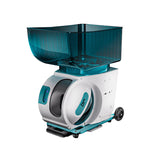
A ball machine is the tennis training tool that goes furthest, since it replicates an actual point instead of a single motion, feeding shots at a chosen speed, spin, and placement so you can drill footwork and shot selection together. PongBot builds two tiers so you can pick based on how much automation you actually want.
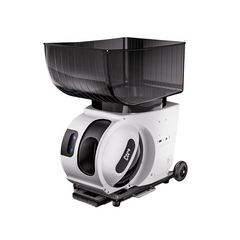
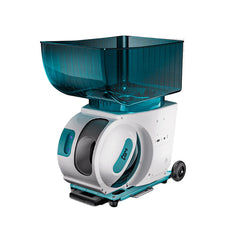
Pace S
The base model in the lineup, built for consistent, programmable feeds across clay, hard, and grass courts, plus padel, without the four advanced smart features reserved for the Pro version.
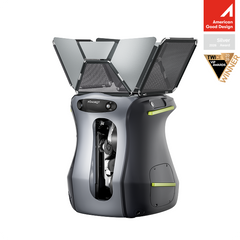
Pace S Pro
Adds AI movement tracking, Recovery Trigger, an adaptive NTRP match mode from 1.0 to 7.0, and padel optimized drills. It carries a 150 ball hopper, feeds up to 80 mph with up to 60 rps of spin, runs a 1.5 second feed rate, and lasts 8 or more hours per charge on its removable battery, with a large built-in drill library plus custom drill building in the app.
Both machines use 100Hz movement sensors on the Pro model to read your court position at sub-10cm accuracy, waiting until you recover to your ready spot before releasing the next ball rather than firing on a fixed timer.
Choosing the Right Training Tennis Balls
The ball you feed through a machine matters as much as the machine itself. Training tennis balls generally fall into a few groups: foam and low compression balls used for junior stage progression on shorter courts, standard pressurized balls used in competition, and pressureless balls built with a solid rubber core that holds its bounce over long, repeated use instead of losing pressure over time.
PongBot specifically recommends pressureless balls for daily machine training, and its own Pressureless Tennis Balls (50-Pack) are built from rubber and acrylic for consistent bounce through repeated feeds, sized for the Pace series machines. Worth noting directly from PongBot's own guidance: low compression balls are not recommended for machine training, since the softer core can cause ball jams or inconsistent feed trajectory, unlike pressureless or standard ITF-approved balls.
Smart Tennis Training Tools: Serve Sensors and Movement Tracking
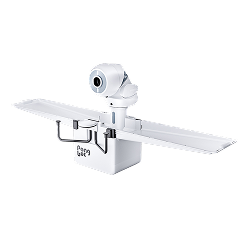
Beyond the machine itself, a growing set of tennis training tools focuses on sensing what your body is actually doing. PongBot's T Serve S sensor is one example: it lets a Pace series machine recognize your serve motion and automatically deliver the next ball, so you can run serve and return drills without stopping to reset the machine by hand.
The T Serve S is an add-on accessory built specifically for the Pace S and Pace S Pro machines, it is not a standalone training tool, so it only makes sense as part of a Pace series setup.
Buyer's Guide: Matching Training Aids to Your Goal
Fixing One Specific Stroke
If you are chasing one mechanic, like topspin or a consistent contact point, a lower cost stroke or grip trainer gives you focused reps without the investment of a full machine.
Building Match Fitness
If you want to drill footwork, recovery, and shot selection together, an AI powered machine like Pace S Pro gets far closer to real match conditions than a static trainer.
Working on Serve and Return
Pairing a Pace series machine with the T Serve S sensor turns serve practice into a full serve and receive drill instead of a manual reset every time.
Building a Practice Routine With Training Aids
1. Warm Up on a Stroke Trainer
A few minutes on a stroke or grip trainer gets your swing path and hand position correct before you move to faster, less predictable feeds.
2. Drill the Weak Shot
Use a fixed ball machine feed to repeat the exact shot giving you trouble, without the pressure of a live point breaking your focus.
3. Simulate Full Points
Switch to oscillating, NTRP adaptive feeds so you are recovering to a ready position and reacting to varied placement, not just repeating one motion.
If you run into setup questions with any PongBot training equipment, the support team can walk you through configuration and troubleshooting.
Why Train With PongBot
PongBot has built its Pace series machines around a straightforward idea: give players who cannot always find a hitting partner a way to train at match intensity on their own schedule. The Pace S Pro's movement tracking and Recovery Trigger technology were both developed in house and later adapted for the company's newer multi-sport machine, which shows the underlying tech has continued to evolve rather than staying static. You can read more about the company on the About Us page, and browse the full accessories collection for balls, sensors, and spare parts.
Coverage vs Specialization
Stroke trainers, grip aids, and footwork tools will always be the cheaper, more focused specialists in their one category. PongBot's ball machines are built for players who want the deepest, most complete training tool in the lineup: full point simulation, movement tracking, and a large drill library in one machine.
Frequently Asked Questions
What is the best tennis training aid for beginners?
Most beginners get the most value starting with a simple stroke or grip trainer to build fundamentals, then moving to a ball machine once they want to drill full points and footwork rather than a single motion.
What is the difference between Pace S and Pace S Pro?
Pace S Pro adds four features the base Pace S does not have: Recovery Trigger movement based feed timing, real time AI movement tracking, an NTRP adaptive match mode from 1.0 to 7.0, and padel optimized drills. Both machines share the same core feeding system.
What are the best training tennis balls to use with a ball machine?
Pressureless balls are generally recommended for machine training since their solid core holds a consistent bounce through heavy repeated use. Low compression balls are not recommended for machine feeding, since the softer core can cause jams or inconsistent trajectory.
How much does tennis training equipment cost?
Stroke trainers, grip aids, and footwork tools typically run from about $15 to $250. Ball machines span a much wider range, from a few hundred dollars for entry level units up to $2,500 or more for AI powered machines with movement tracking and large drill libraries.
Do I need a full tennis court to use training aids?
No. Stroke trainers, grip aids, and footwork drills work fine in a driveway, garage, or small backyard. Ball machines generally need a full or half court, since you need enough room for the ball to travel and for you to move to it.
Can a tennis training tool help with serve practice specifically?
Yes. A serve trigger sensor, like PongBot's T Serve S, lets a compatible ball machine recognize your serve motion and automatically deliver the next ball, which turns solo serve practice into a full serve and return drill.


