











Quick answer: These printable pickleball rules cover the basics on one page. Serve diagonally with an upward swing, and the ball must clear the kitchen. The serve and the return must each bounce. Don't volley in the 7-foot kitchen. In side-out scoring, only the serving team scores, and games go to 11, win by 2.
You do not need to memorize the entire rulebook before your first game. These printable pickleball rules give you the core rules on one court-side card.
Print the card, read the short sections below, and keep the official 2026 USA Pickleball Rulebook handy for close calls.
- The court is 20 by 44 feet, with a 7-foot kitchen on each side of the net.
- Serve diagonally, and the serve must clear the kitchen and its line.
- The serve and the return must each bounce before anyone volleys.
- Never volley while touching the kitchen or its line.
- Agree on side-out or rally scoring before you start.
Printable Pickleball Rules Cheat Sheet
Tap the button to print just this card. Source: the 2026 USA Pickleball Rulebook.
- Court: 20 x 44 ft. Kitchen (non-volley zone) is 7 ft from the net on each side. Net is 36 in. at the sidelines and 34 in. at the center.
- Serve: Upward arm swing, contact below the waist. Serve diagonally to the opposite service court. The ball must clear the kitchen and kitchen line.
- Server's feet: Keep at least one foot behind the baseline. Do not step on or inside the baseline while serving.
- Net serves: A serve that clips the net and lands in the correct service court is in play. There is no let.
- Starting side: Start each new service turn from the right/even court.
- Two-bounce rule: The serve must bounce. The return must bounce. Volleys are allowed after those two bounces.
- Kitchen: Do not volley while touching the kitchen or its line. Momentum after a volley cannot carry you into it.
- Side-out scoring: Only the serving team scores. Most games go to 11, win by 2.
- Rally scoring: In rally-scoring formats, whoever wins the rally scores. Agree the format before play.
- Doubles call: Say serving score, receiving score, then server number, for example 4-2-1.
- Lines: A ball touching a line is in, except a serve touching the kitchen line is short and therefore a fault.
- Faults: Out ball, net ball that fails to cross, double bounce, illegal volley or service fault ends the rally.
- Calls: Call your side honestly. If you cannot clearly see a ball out, treat it as in.
What Are the Court and Kitchen Basics?
A pickleball court is 20 feet wide and 44 feet long for both singles and doubles. The net is 36 inches high at the sidelines and 34 inches at the center.
The non-volley zone, usually called the kitchen, runs 7 feet from the net on each side. Its lines count as part of the zone.
- You may stand in the kitchen and hit a ball after it bounces.
- You may step through it between shots.
- You cannot volley (hit the ball before it bounces) while touching the kitchen or its line.
- Your momentum after a volley cannot carry you into the zone either.
How Does the Serve Work?
The server's arm must move in an upward arc, and the paddle must contact the ball below waist level. At contact, keep at least one foot behind the baseline, and don't touch the baseline or the court inside it.
Serve diagonally crosscourt into the opposite service court. The ball must clear the kitchen and its line. A serve that lands on the kitchen line is short and a fault.
If a serve clips the net and still lands in the correct service court, it is in play. Drop serves have their own requirements, so check the rulebook if you use one.
What Is the Two-Bounce Rule?
The receiving team must let the serve bounce. Then the serving team must let the return bounce.
After those two bounces, either team may volley or play the ball off a bounce. This is why the serving team usually stays back until the third shot.
How Does Scoring Work in Doubles and Singles?
Traditional side-out scoring
Only the serving team scores. Most games go to 11, win by 2, though event formats can vary.
In doubles, call the serving score, the receiving score, then the server number, for example 4-2-1. Only one partner serves at the start of each game, so a new game opens with server number 2.
Rally scoring
The 2026 USA Pickleball Rulebook formalizes rally-scoring formats. In rally scoring, whoever wins the rally scores, whether they served or not. Many clubs use it for faster games, so agree on the format before play.
Singles
Serve from the right when your score is even and from the left when it is odd. Each new service turn starts from the right/even court.
What Are the Most Common Pickleball Faults?
- Hitting the ball out of bounds.
- Hitting into the net so the ball fails to cross.
- Letting the ball bounce twice on your side.
- Volleying from the kitchen, or letting momentum carry you in after a volley.
- Serving into the wrong court or onto the kitchen line.
- Touching the net while the ball is in play.
- Breaking the two-bounce rule by volleying the serve or the return.
Many of these show up in our list of common pickleball mistakes and how to fix them.
How Do You Practice the Rules in 30 Minutes?
Rules stick faster when you practice them in order. Use this 30-minute plan:
- Minutes 1 to 5: Hit legal serves from both sides. Call the score before each one and stop when a foot or placement error happens.
- Minutes 6 to 15: Rehearse the two-bounce sequence. Serve, hit a deep return, let it bounce on the serving side, then hit the third shot and move up toward the kitchen line.
- Minutes 16 to 25: Have a feeder mix balls that bounce in the kitchen with balls you can volley outside it. Call "bounce" or "volley" before contact, then control your momentum.
- Minutes 26 to 30: Play short games where everyone makes their own line calls.
For more serve work, try our pickleball serve drills. For soft kitchen play, read how to dink without popping up.
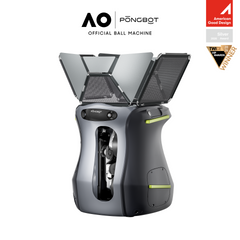
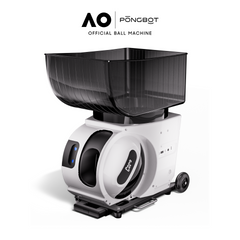
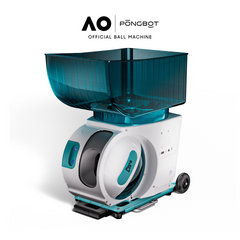
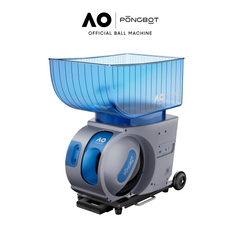
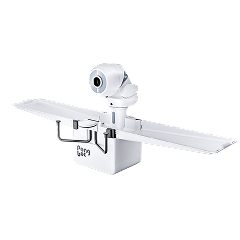
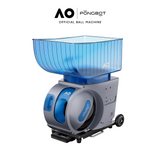
Practicing alone? A machine like PongBot Aura gives repeatable feeds, and our solo pickleball drills show you what to work on.
When Is the Quick Guide Not Enough?
This card covers everyday recreational play. For tournaments, referee decisions and unusual situations, use the current USA Pickleball Rulebook.
The rulebook is updated every year, so check the latest edition before league or tournament play.
Why Choose PongBot?
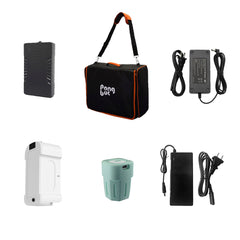
PongBot machines give you repeatable feeds for serve returns, third shots and kitchen work. Use the machine for repetition and live games for judgment calls. See the full pickleball machine collection.

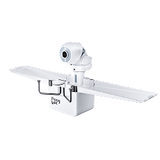
Portable training robot with pickleball, tennis and padel packages. Aura S adds the Spotter vision module.
From $599.99 $1,199.99
Explore AuraCompareCompare current PongBot pickleball training options and packages.
See all machinesFrequently Asked Questions
Can you go into the kitchen in pickleball?
Yes. You can enter the kitchen to play a ball that has bounced. You cannot volley while touching the kitchen or its line, and your momentum after a volley cannot carry you in.
Does the return of serve have to bounce?
Yes. The serve must bounce, and the return must bounce before the serving team hits the third shot. After that, volleys are allowed.
Is a serve that lands on the kitchen line in?
No. A serve that touches the kitchen line is short and a fault. Other lines count as in.
How do you call the score in doubles pickleball?
Call the serving team's score, the receiving team's score, then the server number, for example 4-2-1.
What size is a pickleball court?
A pickleball court is 20 by 44 feet, with a 7-foot kitchen on each side of the net. The net is 36 inches high at the sidelines and 34 inches at the center.
Do these printable pickleball rules replace the official rulebook?
No. They cover everyday play. For tournaments and close calls, use the current USA Pickleball Rulebook.
How Should You Use These Printable Pickleball Rules?
Print these printable pickleball rules, agree on side-out or rally scoring before you start, and keep the official rulebook handy for close calls. Then practice the serve, two-bounce and kitchen rules until they feel automatic.


