









11 Pickleball Drills for Beginners That Actually Work
Pickleball is easy to start and surprisingly hard to get better at. Play-only players tend to stall around the same level for months, because games give you maybe eight reps of any given shot spread across an hour.
Drills fix that. Fifteen focused minutes gives you more dinks than a full afternoon of open play. Below, each drill includes what it fixes, how long to run it, and a measurable target — so progress is something you can verify rather than guess at.
- Dinking, deep returns, and split-step timing are the three highest-value beginner skills.
- Run 2–3 drills per session with a target, not all 11 in a rush.
- Three 30-minute sessions per week beats one two-hour session.
- Quality reps beat volume — stop when your form breaks down, not when the timer ends.
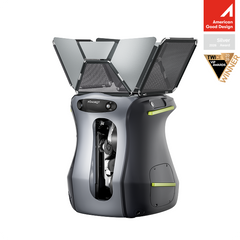
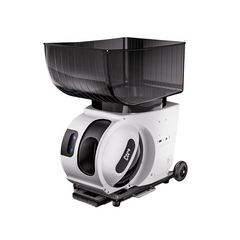
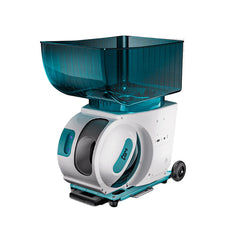
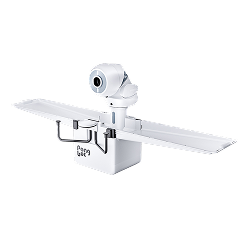
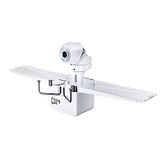
- A pickleball machine makes every drill on this list solo-repeatable with identical feeds.
Start Here: The Three Drills That Matter Most
If you only ever run three of these, run these three. They cover the situations that decide the majority of recreational points.
| Priority | Drill | Why it matters most |
|---|---|---|
| 1 | Straight-ahead dinks (#1) | Most doubles points are decided at the kitchen line |
| 2 | Deep return and approach (#6) | The single biggest habit gap between 2.5 and 3.5 |
| 3 | Split-step timing (#10) | Improves every other shot without touching technique |
Dink Drills
1. Straight-Ahead Kitchen Dinks
Stand at the kitchen line with a partner or machine feeding soft balls. Dink straight ahead, keeping the ball low over the net. Soft paddle face, controlled touch, no wrist flick.
Check yourself: if the ball is rising above net height on your side of the court, your paddle face is too open. Close it slightly and lift with your legs instead of your wrist.
2. Cross-Court Dinks
From the kitchen line, dink diagonally to the opposite side. Cross-court dinks travel over the lowest part of the net and give you more court to land in — they're both safer and harder to attack.
Check yourself: cross-court should feel easier than straight-ahead. If it doesn't, you're aiming too close to the sideline. Target the middle of the diagonal kitchen, not the corner.
3. Dink-and-Move
Dink a ball, then shuffle one step to the side before the next feed. This builds the habit of resetting position between shots — the thing beginners abandon first under game pressure.
Check yourself: your feet should be moving before the next ball arrives, not as it arrives. A machine with a consistent interval makes this easy to feel.
Serve Drills
4. Deep Serve Target Practice
Place a towel or cone in the back third of the receiving service box. Serve to it repeatedly. A deep serve pushes the returner back and buys you time — a short serve invites them to the kitchen for free.
Check yourself: depth comes from a longer follow-through toward the target, not from swinging harder. If you're missing long, shorten the follow-through before reducing swing speed.
5. Serve Placement Alternation
Alternate serving to the forehand and backhand sides, and say the target out loud before each serve. Calling it first is what converts a serve from "getting it in" into an actual tactical shot.
Check yourself: most beginners find the backhand side much harder to hit consistently. That's normal — and it's exactly why opponents will keep serving there to you.
Return Drills
6. Deep Return and Approach
Take a serve, return it deep, then move straight to the kitchen line. Return and transition should feel like one motion, not two decisions. This is the highest-value habit on the entire list for doubles play.
Check yourself: you should be at or near the kitchen line before your opponent's third shot is struck. If you're still in mid-court, your return was too short, too slow, or you hesitated after hitting it.
7. Block Return Drill
Set feeds at moderate speed aimed at your body. Return with a compact block — minimal backswing, paddle out in front, let the incoming pace do the work.
Check yourself: if you're taking the paddle back at all, the feed is too slow. Increase pace slightly until a full swing becomes physically impossible. That's the point of the drill.
Third-Shot Drop Drills
8. Drop from Mid-Court
Stand at mid-court — closer than the baseline, deliberately. Take slow feeds and lift the ball softly so it lands in the kitchen. Focus entirely on arc height, not pace.
Check yourself: the ball should peak on your side of the net and be descending as it crosses. If it's still rising at the net, it will sit up and get attacked.
9. Drop-and-Advance
Drop from the baseline, move forward, then dink from the kitchen line. Two shots, one continuous sequence. This is the most common transition pattern in recreational doubles, and drilling it as a pair is far more useful than drilling either shot alone.
Check yourself: move forward after you see your drop is good, not while you're hitting it. Advancing on a bad drop is how beginners get passed.
Movement and Positioning Drills
10. Split-Step Timing
Take feeds at irregular intervals. Perform a small hop to a neutral, balanced stance just before each ball is struck. That's the split step, and it's the foundation of everything reactive in pickleball.
Check yourself: land as the ball is hit, not after. Landing late is worse than not splitting at all, because you're airborne when you need to push off.
11. Side-to-Side Kitchen Shuffle
Stand at the kitchen line with balls fed alternately left and right. Shuffle to each one — feet never cross. Crossed feet at the net mean you can't change direction, and good opponents will find that out quickly.
Check yourself: stay low throughout. If you're standing up between shuffles, you're resetting your legs every rep and losing the speed the drill is meant to build.
How to Structure a Beginner Session
Don't attempt all 11. Pick a focus, run two or three drills properly, and stop while your form is still good. Here's a workable three-week rotation:
| Session | Focus | Drills | Time |
|---|---|---|---|
| A | Soft game | #1, #2, #11 | 35 min |
| B | Serve and return | #4, #6, #7 | 35 min |
| C | Transition | #8, #9, #10 | 40 min |
Run A, B, C across a week, then repeat. Order within a session matters: dinks first while you're fresh and touch is sharp, movement drills last once you're warm.
Drilling Solo
Every drill on this list except #6 can be run alone with a ball machine, and the consistency advantage is real — a machine feeds the same ball 200 times, which no practice partner can do. The tradeoff is that a machine won't tell you your paddle face is open. Pair machine reps with occasional video or a lesson to catch what you can't feel.
Frequently Asked Questions
What are the best pickleball drills for beginners?
Start with straight-ahead kitchen dinks, deep return with approach to the kitchen, and split-step timing. Those three cover the situations that decide most recreational points. Add cross-court dinks and third-shot drops once the first three feel reliable.
How often should beginners practice pickleball drills?
Three sessions per week of 30–45 minutes produces steady improvement. Focus on two or three drills per session rather than rushing through many. Frequency across weeks matters far more than the length of any single session.
Can I practice pickleball drills alone?
Yes — nearly all of them. A ball machine provides consistent feeds for dinks, drops, returns, and movement drills. Serves are naturally solo. A wall works for volley reflexes but produces unrealistic bounce, so use it sparingly.
How long before drills improve my game?
Dink consistency and serve depth typically improve noticeably within two to three weeks of three-times-weekly practice. Third-shot drops and court movement take longer — often two to three months — because they involve timing and decisions, not just stroke repetition.
What is the most important shot for beginners to learn?
The dink. It controls rallies at the kitchen line, where most doubles points are won. Beginners who build dinking touch early gain a large advantage over opponents relying on drives and power, who tend to plateau around 3.0.
Do I need a ball machine for pickleball drills?
No, but it makes solo drilling far more productive. The value is repeatability — identical feeds let you isolate one variable and actually feel what changed. If you mostly drill with a partner, it's optional; if you train alone, it's the single most useful piece of equipment you can own.

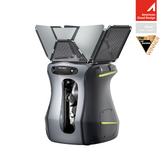
Consistent feeds for dinks, drops, returns and movement drills — solo.
Shop NowAdd-Ons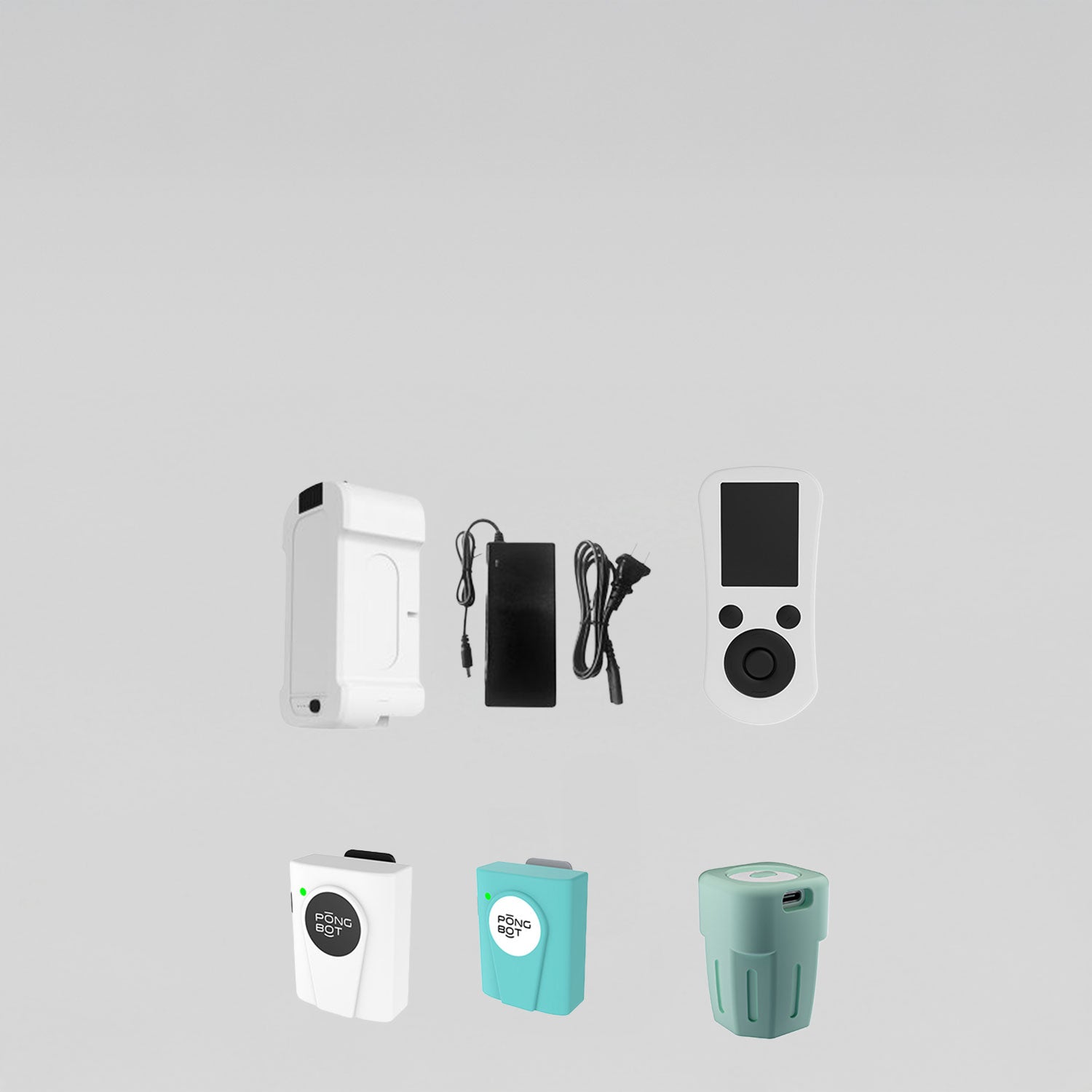
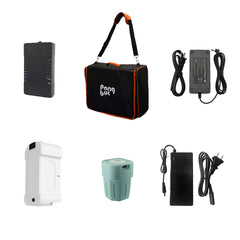
Targets, hoppers and batteries to keep drill sessions running.
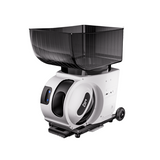
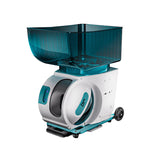
View RangeCompare
Full lineup with specs and features side by side.
Compare AllThe Bottom Line
Games feel like practice but rarely are — you get a handful of reps at any given shot, scattered across an hour. Drills concentrate them.
Pick three. Give each a target. Stop when your form breaks, not when the clock does. Three sessions a week for a month will move you further than three months of open play.


