









What Is Smart Tennis? 7 Things to Know [2026]
Smart tennis is reshaping how players train, compete, and improve. AI ball machines track your movement. Racket sensors measure swing speed. Court cameras call lines. Together they make structured, data-driven practice available to anyone — not just touring pros.
Here is what the category actually covers, and what it means for your training.
- Smart tennis combines AI, sensors, and connected devices to improve training and match performance.
- AI ball machines now track player position and adapt shot placement in real time.
- Racket sensors, wearable trackers, and court cameras each add a different data layer.
- Prices have dropped enough that recreational players can access the technology.
- The biggest single benefit is structured, feedback-rich solo practice.
The Smart Tennis Stack at a Glance
"Smart tennis" is an umbrella term covering several distinct device categories. Each solves a different problem.
| Device Type | What It Measures | Best For | Typical Cost |
|---|---|---|---|
| AI ball machine | Your position, shot response, rally patterns | Solo practice | $500–$2,000+ |
| Racket sensor | Swing speed, spin, impact point | Stroke mechanics | Under $100 |
| Wearable tracker | Court coverage, distance, workload | Fitness and movement | $100–$300 |
| Court camera | Line calls, shot placement, video review | Match analysis | Varies widely |
| Analytics app | Trends across sessions | Long-term progress | Often bundled |
The 7 Things to Know
1. Smart Tennis Means AI-Powered Training
Traditional practice relies on a coach's eyes or a partner's consistency. Smart tennis adds sensors, cameras, and algorithms that track what you do and respond in real time.
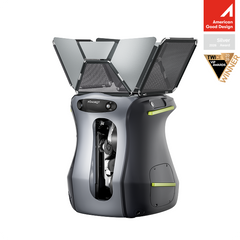
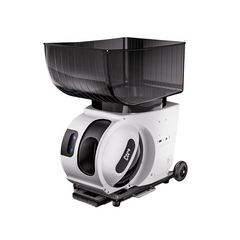
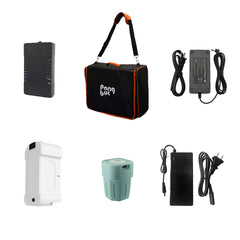
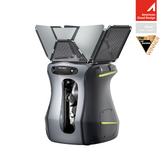
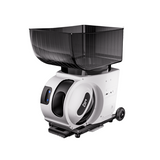
The clearest example is the AI ball machine. Models like the PONGBOT Pace S Pro use wearable tags and court sensors to track your position continuously, then decide where to place the next ball based on where you actually are — not just where the machine was pre-programmed to aim.
2. Movement Tracking Changes Everything
Footwork wins matches, but it is the hardest thing to practise alone. Position sensors map your court coverage in real time, and recovery-trigger systems wait until you are back in position before feeding the next ball.
This trains the full point cycle: split step, move, hit, recover. A standard machine lets you sprint to a ball and then stand still — which is not how points play out.
3. Match Simulation Is Now Possible Solo
Smart ball machines can simulate realistic match patterns rather than repeating a fixed sequence. Level-matching lets you rally against a virtual opponent calibrated to a 3.5, 4.0, or 5.0 standard, with speed, spin, and placement adjusting to your responses.
This builds adaptability, not just stroke repetition. You are forced to read and react, which is the gap most solo practice leaves open.
4. Data Makes Practice More Productive
Smart tennis platforms log shot count, court coverage, rally length, and consistency across sessions. That history lets you set concrete goals, measure progress, and spot weaknesses you would never notice in the moment.
Combined with coaching, the data compounds. A coach can review your session log between lessons and design targeted drills instead of spending court time diagnosing.
5. Connected Drills and Community Sharing
App-controlled machines let you create, save, and share drill programs. You can download routines built by coaches or other players, which turns a single machine into a continually expanding training library.
Over-the-air firmware updates add features and drills without new hardware. The machine you buy this year should be more capable next year.
6. Smart Tennis Is Not Just for Pros
Five years ago, AI-powered training tools cost tens of thousands of dollars and needed professional installation. In 2026, award-winning AI tennis machines sit under $2,000 and racket sensors under $100.
That puts the category within reach of club players, juniors, recreational adults, and coaches at small facilities. You no longer need a pro budget to train with pro-style feedback.
7. The Future Is Multi-Sport and Adaptive
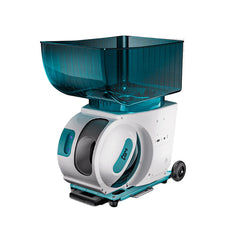
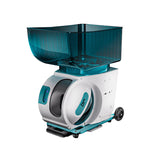
Smart training is expanding past tennis. Machines like the PONGBOT Aura cover tennis, pickleball, and padel from one chassis. AI referee systems call lines automatically. Wearable sensors keep getting smaller and more accurate.
The direction is consistent: more adaptive, more connected, more affordable. Smart tennis is not a passing trend — it is the default shape of training going forward.
What Smart Tennis Does Not Do
- It does not replace a coach. Data tells you what happened. A coach tells you why and what to change. The two work together.
- It does not fix technique on its own. A machine will happily feed 500 balls into a flawed forehand. Feedback still needs interpretation.
- It does not replicate an opponent's intent. Match simulation is close, but no machine yet disguises a shot or targets a weakness the way a thinking opponent does.
- It does not remove the need for match play. Pressure, scoring, and nerves are only trainable in competition.
Frequently Asked Questions
What is smart tennis?
Smart tennis is the integration of AI, sensors, and connected technology into tennis training and play. It covers AI ball machines, racket sensors, wearable position trackers, court cameras, and data analytics platforms. The shared goal is making practice more structured, measurable, and effective.
Do I need smart tennis technology to improve?
No, but it accelerates improvement. Smart tools provide consistent repetition, real-time feedback, and performance data that traditional practice cannot match. They complement coaching rather than replace it.
How much does smart tennis equipment cost?
Racket sensors start under $100. Wearable trackers run $100–$300. AI ball machines range from $500 to $2,000+. Court camera systems vary widely. Prices across the category have fallen sharply in the last two years.
Is smart tennis only for advanced players?
No. Beginners benefit most from consistent feeds and structured drills. Level-matching systems typically scale from 1.0 to 7.0, and movement tracking helps newer players build good footwork habits before bad ones set in.
What is the best smart tennis ball machine?
In 2026, the leading machines combine movement tracking, adaptive rallies, and match simulation. Useful benchmarks are around 80 mph top speed, full topspin and backspin control, a large preset drill library, and 8+ hours of battery life.
Does smart tennis equipment work on public courts?
Mostly yes. Battery-powered machines and wearable sensors need no installation. Court camera systems that mount to fences or posts are usually fine, but check local club rules — some venues restrict recording equipment.
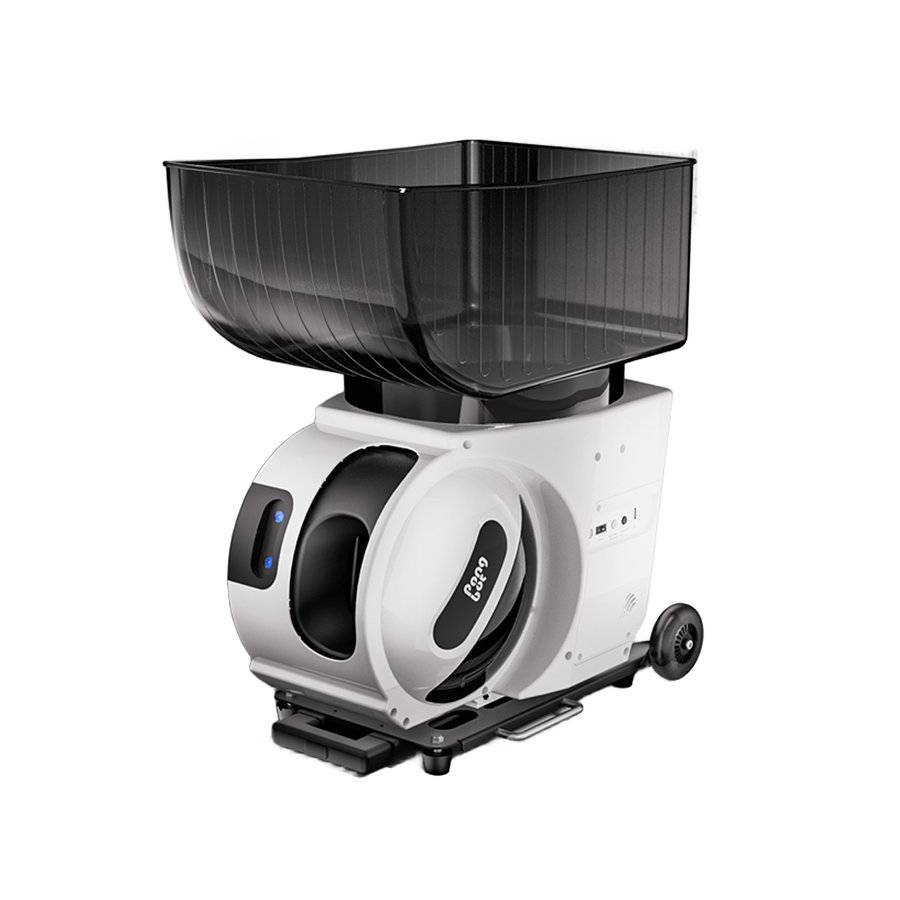
Position tracking, adaptive rallies, and NTRP-matched match simulation.
View ProductMulti-Sport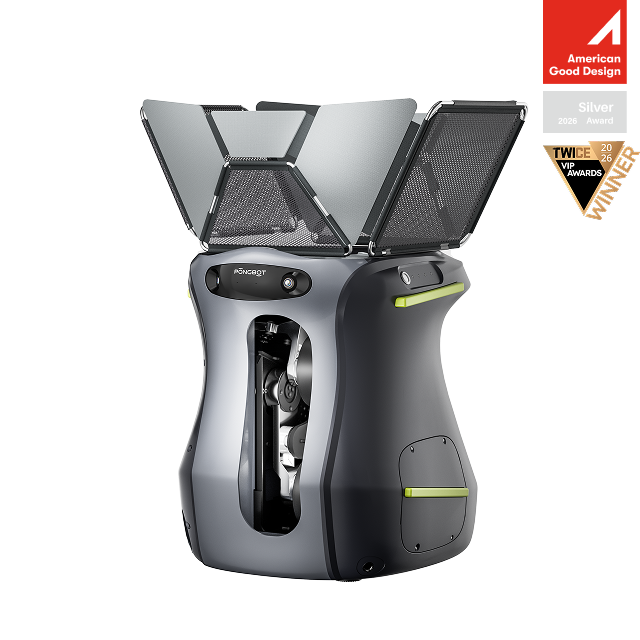
Tennis, pickleball, and padel from one chassis — with AI line calling.
View ProductFull Range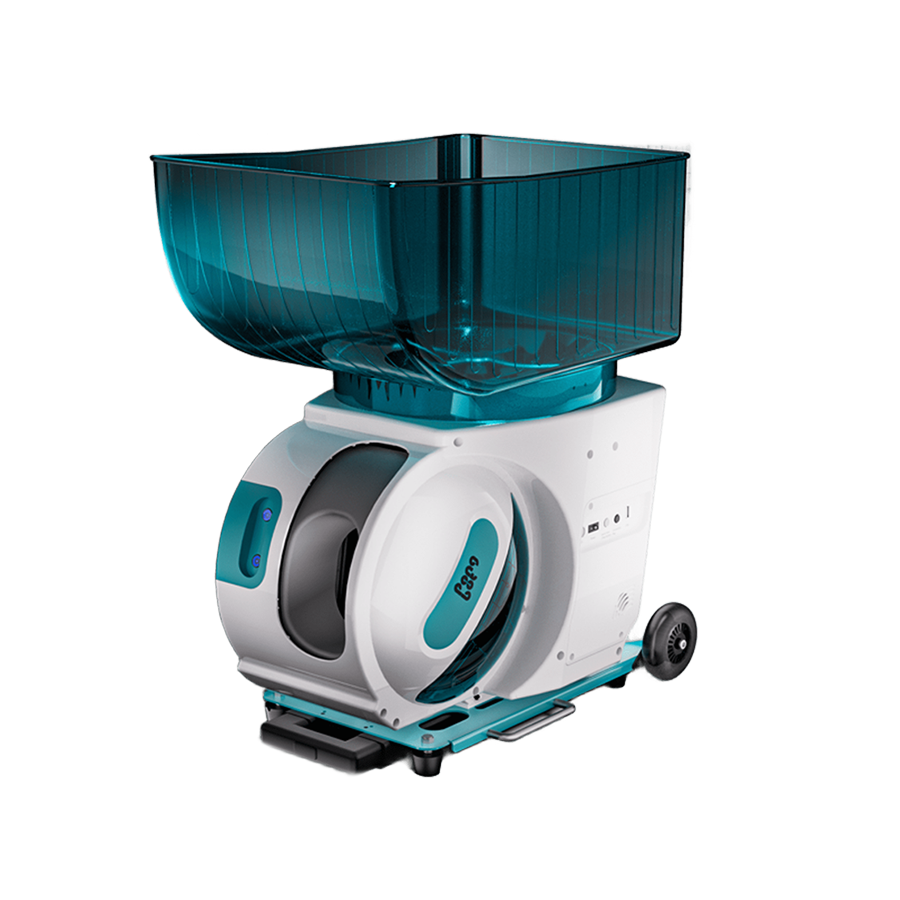
Compare the full lineup and find the right level of intelligence.
Shop NowThe Bottom Line
Smart tennis is not one product — it is a stack of tools that turn solo practice into something measurable. The AI ball machine is the anchor, because it creates the reps everything else analyses.
Start there, add sensors once you have consistent volume, and keep a coach in the loop to interpret what the data shows.


