










This guide sorts tennis training equipment by what it trains, not by brand. You'll see what each tool does well, where it falls short, and which setup fits beginners, home players, juniors, and serious solo trainers.
- Start with your goal, then pick the equipment that trains it.
- Practice balls, targets, and cones give the most value for the money.
- Rebounders suit home practice and beginners working on contact.
- A ball machine is the strongest option for repeatable, realistic solo hitting.
- Kids and new adult players learn faster with slower red, orange, or green balls.
How to Choose Tennis Training Equipment
Choose equipment by the skill you want to improve, then check your space and budget. A tool you use every week beats a pricey one that sits in the garage.
Ask yourself three questions before you buy:
- What's my weak spot? Consistency, footwork, serve, or timing all need different tools.
- Where will I train? A driveway, a backyard, and a full court allow very different gear.
- Will I train alone? Solo players need something that sends the ball back.
| Training goal | Equipment to consider | Space needed | Relative cost |
|---|---|---|---|
| Timing and clean contact | Rebounder, tethered solo trainer, practice wall | Small | Low |
| Accuracy and placement | Court targets, cones, court spots | Court | Low |
| Footwork and speed | Agility ladder, mini hurdles, cones, resistance bands | Small | Low |
| Serve | Ball hopper, serve targets, phone tripod | Court | Low to medium |
| Repeatable solo rallies | Tennis ball machine | Court | High |
| Learning the basics | Low-compression (red, orange, green) balls, smaller court lines | Small to court | Low |
Want to browse gear by category? Our tennis training aids collection groups machines, balls, and court accessories in one place.
Best Equipment for Practicing Without a Partner

Solo players need something that returns or feeds the ball. Your main options are a wall, a rebounder, a tethered trainer, or a ball machine.
Practice Wall
A wall is free and always ready. It gives fast, frequent contact, which builds hand-eye coordination and quick preparation. The downside is that the ball comes back flat and quick, so it doesn't copy real rally height or spin.
Tennis Rebounder
A rebounder is a framed net that sends the ball back to you. It works well in a backyard or driveway, and many models adjust the angle for groundstrokes or volleys. Returns are predictable, so add footwork and target zones to keep it game-like.
Tethered Solo Trainer
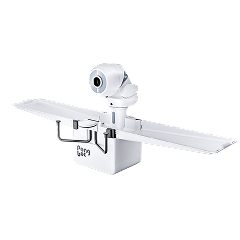
This is a ball tied to an elastic cord and a weighted base. It's cheap, portable, and good for young players learning to make contact. It won't teach you to read real bounces, so treat it as a warm-up or starter tool.
Tennis Ball Machine
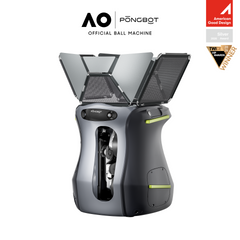
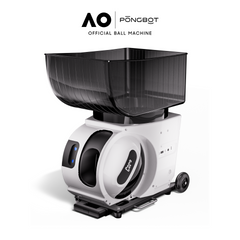
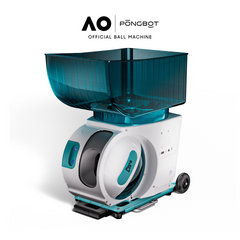
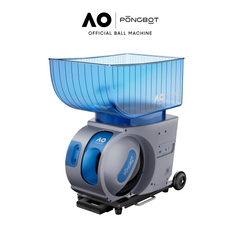
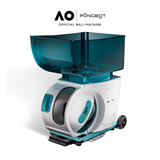
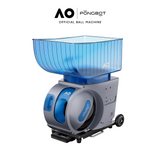
A ball machine feeds balls at set speeds, spins, and directions. It's the closest you can get to a hitting partner who never gets tired. Basic models feed in fixed patterns, while smarter models run drills and react to how you move.
If you're weighing this option, compare models in our tennis training machines collection. You can also learn how a tennis ball machine works before you buy.
Best Equipment for Accuracy and Placement
Targets are the simplest way to make practice measurable. If you can't see where you're aiming, you can't track progress.
- Cones mark deep zones and wide corners. Place them a few feet inside the lines so you build a safety margin.
- Flat court spots stay put on hard courts and won't trip you during movement drills.
- Hoops or larger targets help with serve placement, since you can aim at the T, body, or wide.
Count your hits out of 10 on each target. Writing the number down after each session turns practice into a simple scoreboard.
Best Equipment for Footwork and Fitness

Footwork tools are low-cost and train the part of tennis most players skip. Good movement means you reach more balls in balance, which helps every stroke.
- Agility ladder. Builds quick, light steps and coordination.
- Mini hurdles. Train knee drive and explosive first steps.
- Cones. Set up split-step, shuffle, and recovery patterns.
- Resistance bands. Add strength for lateral pushes and shoulder stability.
- Jump rope. Builds rhythm and calf endurance in a small space.
Keep footwork sessions short and sharp. Ten to fifteen focused minutes before hitting is usually more useful than a long, tired session.
Best Equipment for Serve Practice

Serve practice needs lots of balls, a way to collect them, and a target. A camera helps you see what's going wrong.
- Ball hopper or picker. Holds a basket of balls and saves you from bending down after every serve.
- Serve targets. Cones or hoops in the service box show where your serves land.
- Phone and tripod. A side view shows your toss, trophy position, and contact point.
Need help with the motion itself? Our guide on how to serve in tennis breaks down the grip, toss, and swing step by step.
Practice Balls and Ball Management
Practice balls are the most-used piece of tennis training equipment, so they deserve real thought. The right balls and a quick way to collect them make every drill run smoother.
Pressurized vs Pressureless Balls
Pressurized balls feel lively but lose bounce as the gas inside leaks out. Pressureless balls get their bounce from a thicker rubber core, so they keep it longer.

That makes them popular for ball machines and high-volume drills. They can feel firmer at first, so give them a session or two to break in.
Slower Balls for Beginners and Kids
Low-compression balls bounce lower and travel slower, which gives new players more time to set up. The ITF Tennis Play and Stay program lists the stages this way:
| Ball | ITF stage | Estimated speed vs a yellow ball | Typical court |
|---|---|---|---|
| Red | Stage 3 | 75% slower | Small court (about 11 to 12.8 m long) |
| Orange | Stage 2 | 50% slower | Mid-size court (about 18 m long) |
| Green | Stage 1 | 25% slower | Full court |
Source: ITF Tennis Play and Stay. Speeds are ITF estimates.
These balls aren't only for kids. The ITF also runs Tennis Xpress, a starter course for adults that uses slower balls so new players can rally from the first session.
Collecting Balls Faster
A picker tube or hopper saves time and your back. Over a long session, less time picking up means more time hitting.
Browse options in our tennis ball pickers and hoppers collection, or stock up on tennis balls for ball machines.
Tennis Training Equipment for Home
For home practice, pick compact gear that works on a driveway, garage wall, or backyard. You can build real skills without a court.
- A rebounder or a smooth wall for contact and volleys
- An agility ladder and cones for footwork
- Resistance bands for strength and shoulder care
- A phone tripod to film shadow swings
- Foam or red balls if space is tight or you're near windows
Need ideas for what to do with this gear? Try these tennis drills at home.
Tennis Training Equipment for Beginners
Beginners need gear that makes rallying easier, not gear that tracks advanced data. Slower balls, a few targets, and a simple rebound option cover most needs.
| Player type | Starter setup | Add later |
|---|---|---|
| Young junior (about 5 to 8) | Red or foam balls, tethered trainer, cones | Orange balls, small rebounder |
| Adult beginner | Green or orange balls, cones, agility ladder | Rebounder, ball hopper |
| Home-only player | Rebounder, foam balls, resistance bands | Phone tripod for video |
| Regular solo trainer | Pressureless balls, targets, ball picker | Ball machine |
| Coach or club | Hoppers, cones, court spots, large ball supply | Ball machine for group drills |
Beginners who want a machine can start with slower speeds and simple feeds. Our list of tennis ball machines for beginners covers easier-to-use options.
Practical Tips to Get More From Your Equipment
- Train one skill per session. Pick forehand depth or serve placement, not both.
- Set a number. Aim for a target count, like 7 out of 10 balls past the service line.
- Film once a week. A short clip shows habits you can't feel.
- Warm up first. Five minutes of footwork and shadow swings lowers strain on your arm.
- Rotate tools. Mix rebounder work, targets, and footwork so practice stays fresh.
- Replace dead balls. Flat balls change timing and can make drills less useful.
Common Mistakes When Buying Tennis Training Equipment
- Buying gear before naming a goal. You end up with tools that don't match your weak spot.
- Skipping the basics. Good balls and targets often help more than an expensive gadget.
- Ignoring space. A rebounder that doesn't fit your yard won't get used.
- Using the wrong ball for the player. Yellow balls can be too fast and bouncy for young kids.
- Standing still during drills. Equipment can't build footwork if you don't move.
- Expecting gear to replace coaching. Equipment adds reps, while a coach fixes technique.
For more on technique errors, see our list of common tennis mistakes.
Frequently Asked Questions
What is the best tennis training equipment?
The best tennis training equipment depends on your goal. For most players, practice balls, targets, and footwork tools offer the most value for a low cost. If you train alone often, a rebounder covers basic contact work, while a ball machine gives the most realistic solo hitting. Start with your weakest skill and buy the tool that trains it directly.
What is the best tennis trainer for home use?
A rebounder is usually the best tennis trainer for home use. It fits in a backyard or driveway and returns the ball so you can practice alone. A tethered solo trainer is a cheaper, smaller option for kids and beginners. Pair either one with an agility ladder and resistance bands to train movement and strength too.
Are tennis rebounders worth it?
Tennis rebounders are worth it if you practice at home and want more contact time. They help with timing, volleys, and hand-eye coordination. They don't copy real rally height or spin, though, so they work best alongside court time. Add targets and footwork patterns to keep rebounder sessions closer to match play.
Is there a way to practice tennis at home?
Yes, you can practice tennis at home with a wall, a rebounder, or shadow swings. Footwork drills with a ladder or cones also train important skills without a court. Film your swings to check technique. Use foam or low-compression balls if your space is small or near windows.
What tennis equipment do beginners need?
Beginners need a racket that fits, comfortable court shoes, and the right practice balls. Slower red, orange, or green balls give new players more time to hit, which the ITF recommends for starter players. A few cones and a simple rebound option round out a good starter kit. Skip advanced tracking gadgets until the basics feel steady.
Build Your Setup One Goal at a Time
The best tennis training equipment is the gear you'll use often for the skill you need most. Start with good balls, targets, and footwork tools. Add a rebounder for home work, then a ball machine when you're ready for regular solo rallies. Small, steady upgrades beat buying everything at once.

Pressureless core for consistent bounce. Works with Pace and Aura series machines.
$63.99 $99.99

Collects up to 18 tennis, pickleball, or padel balls with an anti-spill design.
$47.99

Up to 80 mph feeds, 396+ preset drills, and up to 8 hours of play per charge.
$999.99 $1,699.99
Keep Reading


