


















The forehand is usually the first shot a player leans on to control a rally, but it's also the shot most players stop actively drilling once they feel comfortable with it.
That's a mistake, because consistency under pressure is a different skill than hitting a clean forehand in a relaxed rally.
These tennis forehand drills cover technique, footwork, and shot tolerance, from beginner fundamentals to drills that hold up under match-style pressure.
- Technique comes first. Grip, stance, and swing path matter more than power.
- Cross-court and down-the-line drills build the directional control real matches demand.
- Ball machine reps let you drill volume and spin variation without a partner.
- Extended rally drills train consistency under the fatigue that breaks down technique.
- 3 to 4 sessions a week of 20 to 30 minutes builds noticeable improvement.
Why Forehand Consistency Separates Good Players From Great Ones

A powerful forehand is only useful if it lands in the court more often than not. Most club-level rallies are decided by who makes the first unforced error, not who hits the hardest ball.
Consistency is built through repetition under increasing difficulty. Static feeds build technique, live rally balls build adaptability, and extended rallies build the fatigue resistance that matches actually demand.
The drills below move through that same progression, from isolated technique work to full-speed, high-volume rallying.
9 Tennis Forehand Drills to Build Power and Consistency
- Shadow Swing Drill. Practice the full forehand motion without a ball, focusing on grip, stance, and follow-through. This builds clean mechanics before you add a moving ball into the equation.
- Cross-Court Rally Drill. Rally forehand to forehand with a partner, keeping the ball deep and cross-court. This is the classic consistency drill that most club players build their forehand around.
- Down-the-Line Target Drill. Place a cone or target near the sideline and work on redirecting your forehand down the line. This builds the directional control needed to change the point.
- Ball Machine Depth and Spin Drill. Set a ball machine to feed varying depths and spins, and work on adjusting your contact point for each feed. This gives you far more reps per session than any live-feed drill.
- Inside-Out Forehand Drill. Practice running around your backhand to hit an inside-out forehand into the opponent's backhand corner. This is a genuine offensive weapon once it's grooved.
- Split-Step Recovery Drill. After every forehand, split step and recover to center before the next ball. This keeps your footwork connected to your swing instead of training them separately.
- High-to-Low Contact Point Drill. Have a partner or machine feed balls at different heights, and practice adjusting your contact point up or down. This builds adaptability against unpredictable bounces.
- Approach Shot Forehand Drill. Practice hitting a deep approach forehand, then moving in to the net behind it. This connects your groundstroke to the rest of the point instead of treating it as an isolated shot.
- Fatigue Rally Drill. Rally cross-court forehands for extended stretches, aiming to maintain technique as fatigue sets in. Consistency under fatigue is what separates a reliable match forehand from a good practice-court forehand.
| Drill | Primary Focus | Partner Needed |
|---|---|---|
| Shadow Swing | Technique and mechanics | No |
| Cross-Court Rally | Consistency and depth | Yes |
| Ball Machine Depth and Spin | Volume and spin adaptation | No |
| Split-Step Recovery | Footwork and positioning | Optional |
| Fatigue Rally | Consistency under pressure | Yes |
If your forehand keeps missing to one side, check your basics before adjusting your aim. Missing wide usually means your stance needs to close more or you're swinging too early. Fix the fundamentals first.
Common Mistakes
- Drilling only at full speed. Skipping the technique-building stage leads to grooved bad habits under pace.
- Ignoring recovery footwork. A great swing without a split step and recovery step breaks down during real rallies.
- Ball watching after contact. Failing to reset position after your swing leaves you flat-footed for the next shot.
- Never practicing under fatigue. Technique that holds up for 10 shots often breaks down by shot 30 in a real match.
- Skipping directional drills. Only rallying cross-court leaves your down-the-line forehand undeveloped and predictable.
Frequently Asked Questions
How often should I practice tennis forehand drills?
What's the most important part of a consistent forehand?
Can I improve my forehand without a hitting partner?
Why does my forehand break down late in a match?
Should beginners focus on power or consistency first?
A reliable forehand is built through repetition, not talent alone. Work through these tennis forehand drills in order, from shadow swings to fatigue rallies, and track how your consistency holds up as the pace and pressure increase.
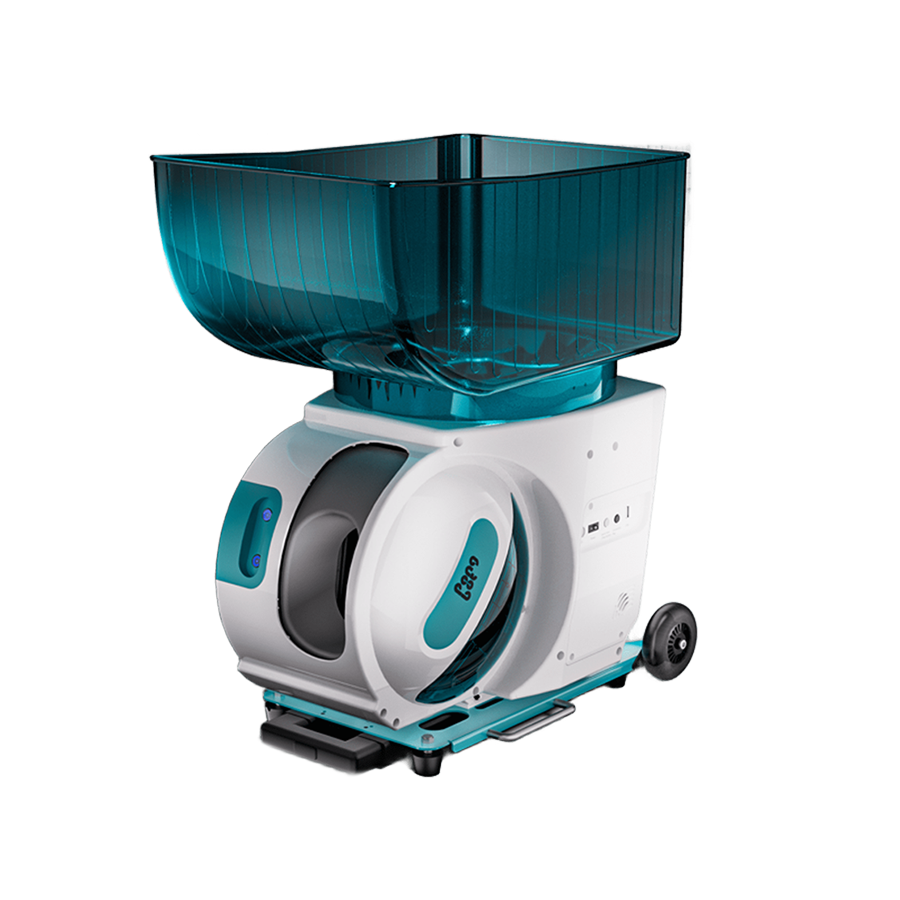
Train with AI-powered feeds, custom drills, and realistic match simulations.
View Product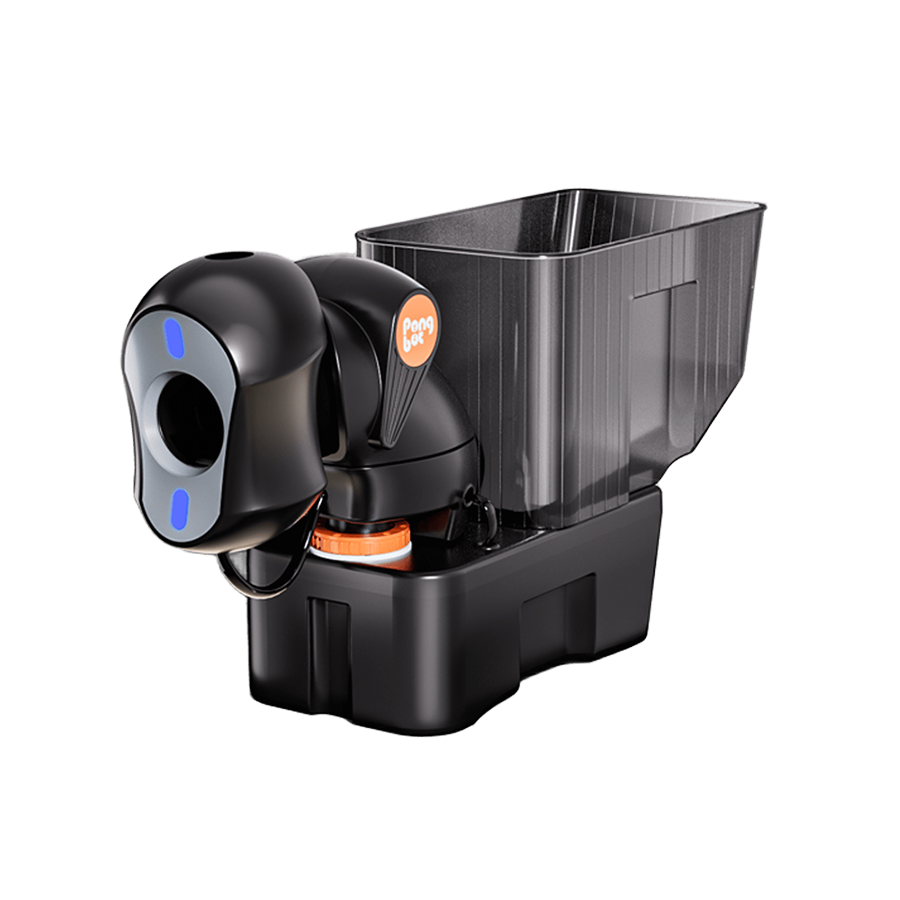
Improve consistency with programmable table tennis drills and smart training.
View Product
Build faster reactions and better shot accuracy with intelligent ball placement.
View Product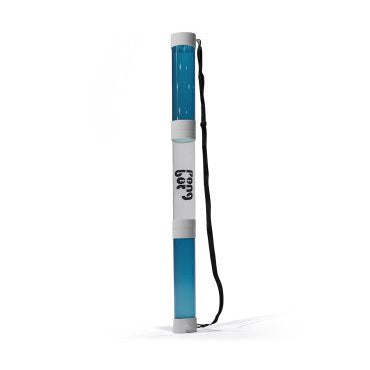
Collect tennis balls quickly so you can spend more time practicing.
View Product


