Tennis Training Machines

Hide filter

Sort by:
Best selling

Clear all

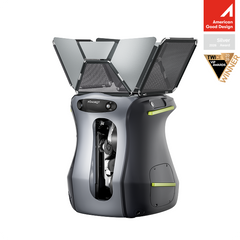
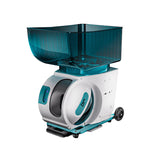
Pace S Pro

$1,219.99 USD
Regular price
$1,999.99 USD
Sale price
Unit price
per

Options

Pace S Pro
Pace S Pro
$1,219.99 USD - $1,509.99 USD
Unit price
per
39% OFF

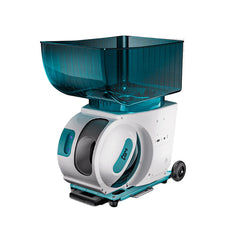
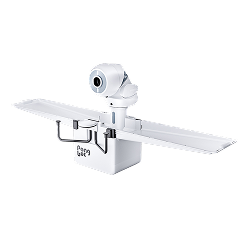
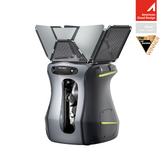
Aura

$799.99 USD
Regular price
$1,699.99 USD
Sale price
Unit price
per

Options

Aura S
Aura
$599.99 USD - $879.99 USD
Unit price
per
53% OFF

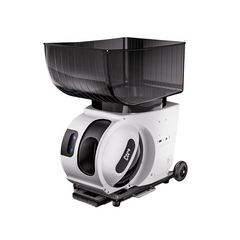
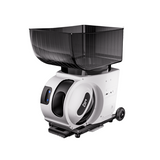
Pace S

$999.99 USD
Regular price
$1,699.99 USD
Sale price
Unit price
per

Option

Pace S
Pace S
$999.99 USD
Regular price
$1,699.99 USD
Sale price
Unit price
per
41% OFF
Smarter Court Practice

Build Focused Tennis Sessions on Your Schedule

PONGBOT tennis training machines deliver repeatable feeds for solo drills, footwork, stroke consistency, and match preparation. Adjustable speed, spin, placement, and timing help you build each session around a clear goal.

This collection includes lightweight multi-sport equipment and full-court tennis machines with programmable drills. Compare the training formats below, then use the product grid above to check current packages and availability.

3

Training Options

Up to 80 mph

Ball Speed

Up to 150

Tennis Ball Capacity

Up to 8 Hours

Battery Life

Compare Tennis Training Machines

The main differences are portability, sport compatibility, drill depth, and player-tracking features. All three options support programmable practice, but they suit different court routines.

Model Best For Weight Tennis Capacity Drill Library Key Difference
Aura Portable and multi-sport practice 7 kg 120 balls 10,000 drills Tennis, pickleball, and padel support with available AI vision
Pace S Structured full-court tennis drills 22 kg 150 balls 396 drills Full-court placement, custom drills, app, and remote control
Pace S Pro Advanced and match-style training 22 kg 150 balls 564 drills Movement tracking, recovery trigger, and level-based match challenges

Specifications reflect current PONGBOT product information. Review the product grid above for package details, pricing, and availability.

Choose by Skill Level and Training Goal

The best tennis training machine should make practice more focused without pushing every feed beyond your current control.

Beginners

Start with consistent feeds at a manageable speed. Simple placement patterns make it easier to develop clean contact, balanced movement, and reliable recovery.

  • Practice one stroke and target at a time.
  • Use slower feeds with generous recovery time.
  • Add topspin, backspin, or wider placement gradually.

Intermediate Players

Intermediate players benefit from custom sequences, full-court placement, and controlled changes in depth. These settings connect stroke technique with realistic movement.

  • Alternate forehands and backhands under movement.
  • Combine deep balls, short balls, and lobs.
  • Increase pace while keeping recovery consistent.

Advanced Players and Coaches

Advanced practice needs varied feeds, quick transitions, and match-based patterns. Tracking and recovery-triggered delivery can add decision-making and movement pressure.

  • Build attack, defense, and transition sequences.
  • Recreate patterns for different playing levels.
  • Use session data to plan the next training block.

What Can You Practice With a Tennis Training Machine?

Repeatable ball delivery lets you isolate one skill, measure your consistency, and progress at a controlled pace. A programmed routine also gives solo practice more structure than hitting without a specific target.

  • Groundstroke consistency: repeat forehands and backhands while maintaining height, depth, and recovery.
  • Footwork: move between planned court positions and return to a balanced base after each shot.
  • Spin recognition: adjust your racket path and contact against topspin, backspin, and no-spin feeds.
  • Approach and volley patterns: combine deeper feeds with shorter balls and net-position practice.
  • Lob and overhead practice: prepare early, track the ball, and recover after each overhead.
  • Match preparation: program changes in pace, placement, and spin to reduce predictable repetition.

Practice With a Purpose

Choose one measurable goal for each session. Track successful targets, controlled repetitions, or clean recovery steps instead of counting balls alone.

Important Features to Consider

Numbers matter only when they support the way you train. Compare these practical features before choosing a tennis ball machine.

Portability and Weight

A lighter machine is easier to move between courts. A larger wheeled unit may suit a dedicated training setup with more demanding performance needs.

Speed and Spin

Wide adjustment ranges help beginners slow down drills and allow experienced players to add heavier, faster balls as their control improves.

Placement and Feed Timing

Full-court coverage supports movement patterns. Adjustable intervals let you balance technical practice with conditioning and match-paced work.

Preset and Custom Drills

Preset routines simplify setup. Custom programming is useful when you need a sequence built around a specific weakness or tactical pattern.

Battery Life

Longer battery life supports extended practices, coaching blocks, and locations without convenient court-side power.

Tracking and Feedback

Player tracking, recovery-based feeding, and post-session feedback can make advanced practice more responsive and easier to review.

Browse tennis machines organized by use, experience level, and budget.

Helpful Resources

Use these guides to compare machine types and decide which features fit your training routine.

Frequently Asked Questions

Are tennis training machines good for beginners?

Yes. Beginners can use consistent feeds to practice timing, contact, balance, and recovery. Start with a comfortable speed, limited spin, and one placement area. Increase difficulty only after you can repeat the stroke without losing control. Occasional coaching can also help prevent repeated technical mistakes.

Can a tennis ball machine improve consistency?

A tennis ball machine can support consistency by delivering repeatable balls for focused practice. Set a clear target and count controlled shots instead of simply hitting a large volume. Change one variable at a time, such as speed or placement, so you can identify what affects your timing and accuracy.

Which machine is best for portable tennis practice?

Aura is the lightest option in this collection at 7 kg. It suits players who move between courts or want one machine for tennis, pickleball, and padel. Pace S and Pace S Pro weigh 22 kg and use wheels, making them better suited to players who prioritize full-court tennis performance over minimum carrying weight.

What is the difference between Pace S and Pace S Pro?

Both support full-court placement, custom drills, app and remote control, speeds up to 80 mph, and up to eight hours of battery life. Pace S Pro adds a larger preset drill library, movement tracking, recovery-triggered feeding, adaptive rally features, and level-based match challenges for more responsive training.

How often should I train with a tennis ball machine?

Training frequency depends on your fitness, goals, and total court schedule. Two or three focused sessions can be more useful than long sessions without a plan. Keep early practices manageable, allow time for recovery, and stop when fatigue causes your technique to break down.

Can tennis training machines help with match preparation?

Yes, when drills include changes in spin, depth, pace, and direction. Program patterns that reflect situations you expect to face, such as deep cross-court rallies, short approach balls, or recovery after a wide shot. Combine machine practice with serves, returns, live points, and tactical work against real players.

Make Every Court Session More Focused

Tennis training machines provide a dependable way to practice when a partner or coach is unavailable. Compare portability, drill controls, ball capacity, tracking features, and sport compatibility, then choose the setup that fits your court routine and long-term goals.