









Reading tennis ball machine reviews online can be frustrating. Most are spec-sheet comparisons that never mention what a machine actually feels like on court. We wanted to fix that.
We tested 5 machines across different skill levels, court surfaces, and training scenarios. Here is what we found.
- Real-world performance often differs from advertised specs, especially on spin and battery.
- AI-powered machines produced the most productive practice sessions in our testing.
- Ball capacity and reload speed matter more than most reviews mention.
- App-controlled machines are significantly more convenient for solo training.
- Court surface affects machine stability — check compatibility before buying.
How We Tested
Each machine was tested on hard court and clay. We measured actual ball speed at multiple settings, timed battery drain under continuous use, and ran full drill programs.
Players from NTRP 3.0 to 5.0 hit against each machine and provided feedback on ball placement consistency, spin quality, and overall training value.
- Surfaces: hard court and clay
- Testers: NTRP 3.0 to 5.0
- Measured: actual speed vs. advertised, battery drain under continuous feed, spin switch response
- Scored on: placement consistency, spin quality, drill flexibility, setup time
The 5 Machines We Tested
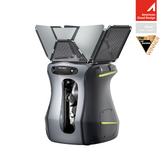
PONGBOT Pace S Pro — Best Overall

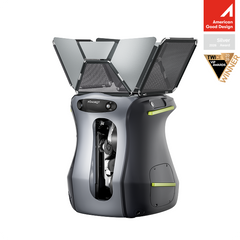
The Pace S Pro delivered the most complete training experience. The AI tracking felt responsive and natural. Recovery trigger mode created a rhythm that felt like rallying with a patient partner rather than chasing a metronome.
Ball speed hit the advertised 80 mph. Spin switches were noticeably fast. The app is clean and easy to navigate. Battery lasted a full day of intermittent testing without needing a charge. Our testers consistently ranked it first for overall training quality.
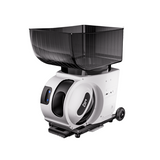
PONGBOT Pace S — Best Value

Same hardware, same speed, same spin. The Pace S just lacks the four AI modes.
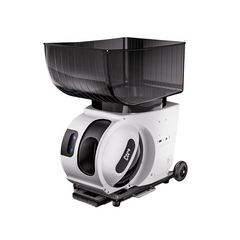
For players who want reliable, programmable feeds without AI tracking, it is excellent. The 396 preset drills cover a wide range of situations, and the app control is identical to the Pro.
Spinfire Pro 2 — Best No-Tech Option
Reliable, fast, and simple. The Spinfire Pro 2 does not have an app or AI, but it throws the ball where you set it, every time. Build quality is excellent.
Our testers appreciated its consistency. Best for players who prefer a straightforward, button-and-dial interface with nothing to troubleshoot.
Lobster Phenom 2 — Solid All-Rounder
Good speed, decent spin, and proven durability. The Lobster Phenom 2 has been a club standard for years. It is heavier than newer competitors.
Battery performance was good. No app control, but the remote works fine. A safe choice if you value brand track record over newer drill technology.
Slinger Bag Grand — Most Portable
The all-in-one bag design is genuinely convenient. Setup takes seconds and everything travels as a single unit.
But the 45 mph speed cap limits its usefulness for players above NTRP 3.5. Our advanced testers found the feeds too slow for realistic rally practice. For beginners and casual players, though, the portability is a major advantage.
Test Results at a Glance
| Machine | Top Speed | App | AI Modes | Tester Rank | Best For |
|---|---|---|---|---|---|
| PONGBOT Pace S Pro | 80 mph | Yes | 4 | 1st | Best overall |
| PONGBOT Pace S | 80 mph | Yes | None | 2nd | Best value |
| Spinfire Pro 2 | 80 mph | No | None | 3rd | Simplicity |
| Lobster Phenom 2 | Good | No | None | 4th | Proven durability |
| Slinger Bag Grand | 45 mph | No | None | 5th | Portability |
What Our Testers Said
The consistent theme across all testers: drill quality matters more than raw speed. A machine with programmable multi-shot sequences produced more productive sessions than a faster machine with only fixed feeds.
App control was also repeatedly cited as a major convenience factor. Walking to the machine between every adjustment breaks session rhythm and quietly eats 10–15 minutes out of an hour.
- Advanced testers (4.5–5.0) wanted variable placement above all else. Fixed feeds got boring within 20 minutes.
- Intermediate testers (3.5–4.0) valued preset drills they could load without programming anything.
- Beginner testers (3.0) prioritised simple controls and forgiving feed speeds.
- Every tester mentioned reload frequency unprompted. Small hoppers interrupt flow more than anyone expects.
Frequently Asked Questions
Are tennis ball machine reviews reliable?
Reviews based on actual on-court testing are most reliable. Spec comparisons alone miss important details like ball placement consistency, spin quality feel, and real battery life under load. Look for reviews that describe hands-on experience at your skill level.
What should I look for when reading reviews?
Focus on speed consistency, spin quality, battery life under real use, drill flexibility, and ease of setup. Reviews from players at your NTRP level give the most relevant perspective. Ignore reviews that only list features without describing performance.
Do expensive machines always perform better?
Not always, but you generally get what you pay for in speed range, spin control, battery life, and drill technology. Mid-range machines ($800–$1,300) offer the best value for most players. Premium machines add AI tracking and match simulation that justify the cost for serious competitors.
How important is app control?
Very important for solo training. Without app control, you need to walk to the machine every time you adjust speed, spin, or drills. An app lets you make changes from the baseline, which keeps your sessions flowing and saves time.
Which tennis ball machine is best for club use?
Clubs need machines that are durable, easy to operate for multiple users, and have large ball capacity. Models with preset drill programs and remote control work best in group lesson settings. Long battery life reduces charging logistics.
How long should a tennis ball machine last?
A well-maintained machine from a reputable brand should last 5–8 years of regular use. The most common failure points are the battery (replaceable) and the feed mechanism (usually caused by dirty or worn balls). Clean the machine after clay sessions and use fresh balls to extend its life.
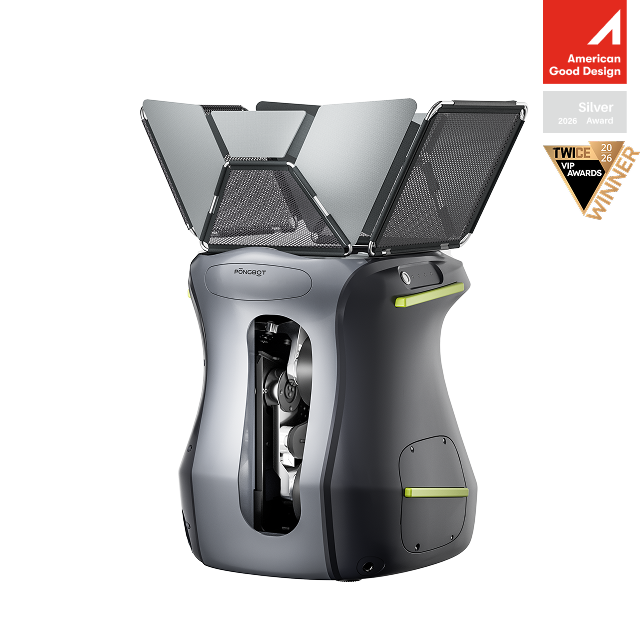
Ultra-light multi-sport training robot for tennis, pickleball, and padel with smart training features.
View ProductTable Tennis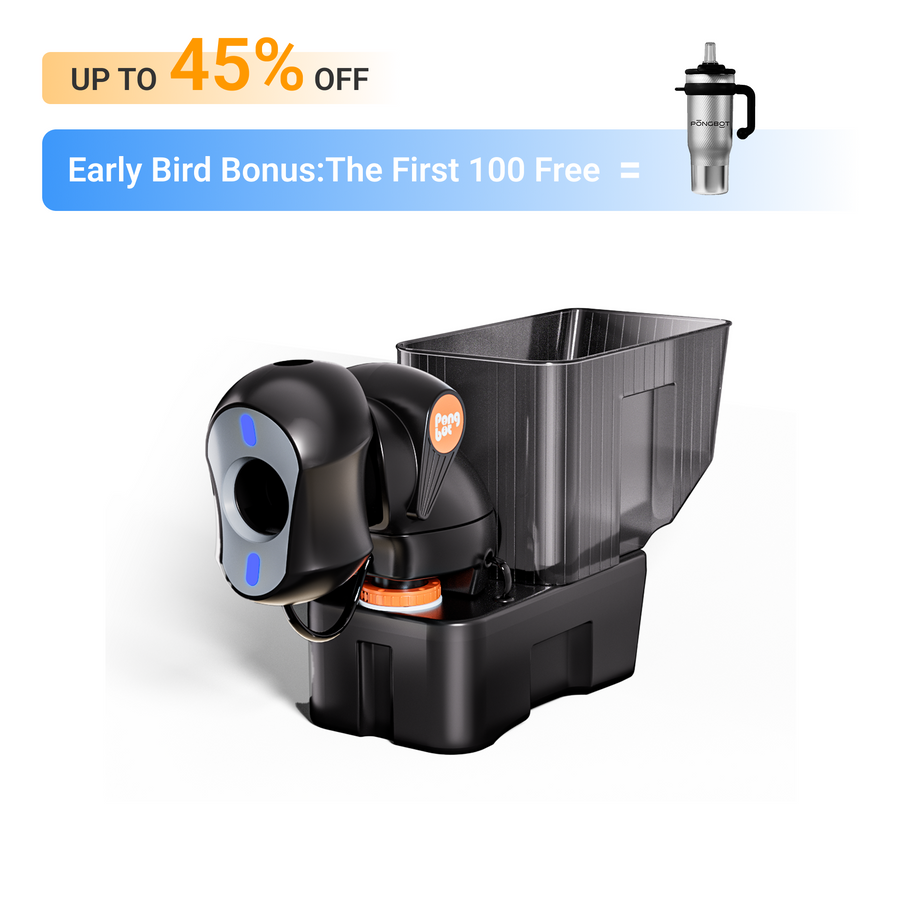
Portable table tennis serving robot with custom drills, app control, and a 150-ball capacity.
View ProductAccessory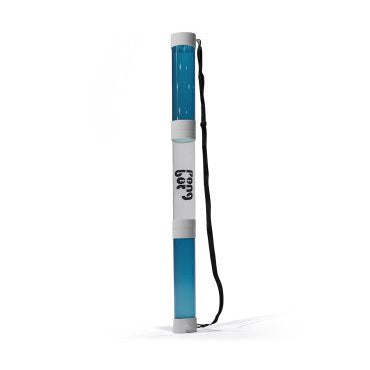
Collect tennis, pickleball, and padel balls faster between drills with a lightweight portable picker.
Shop NowOur Verdict
After testing all five on hard court and clay with players from NTRP 3.0 to 5.0, the PONGBOT Pace S Pro was the clear winner. It hit its advertised specs, the AI modes genuinely changed how sessions felt, and no tester ranked it below first.
The Pace S is the value pick — identical hardware, identical app, just without the AI layer. The Spinfire Pro 2 earns its place if you want zero screens and total reliability.


