









Tennis Serve Speed Calculator
Estimate your initial serve speed from a video. Enter the ball’s flight distance and either its travel time or video frame count. The calculator applies an aerodynamic correction and reports results in mph and km/h.
- The calculator multiplies average flight speed by 1.2308 to estimate initial speed.
- Slow-motion video at 120 or 240 fps reduces timing error.
- Measure from racket contact to the ball’s first court contact.
- Use the result as a practice estimate, not a certified radar reading.
How To Use The Tennis Serve Speed Calculator
Record your serve from the side with the contact point and first bounce visible. A tripod or fixed support helps prevent camera movement.
- Measure the ball’s path from racket contact to its first bounce.
- Choose travel time or video frames in the calculator.
- For frames, enter the video’s recorded frame rate.
- Calculate and record the estimated initial speed.
- Repeat five to ten serves and compare the median result.
How The Calculation Works
The calculator first finds average contact-to-bounce speed. It then applies a 1.2308 aerodynamic correction to estimate the ball’s initial speed off the racket.
If you count 60 elapsed frames in a 120 fps video, the travel time is 60 ÷ 120, which equals 0.50 seconds.
The result estimates what radar may record near racket contact. It is still a model rather than a direct radar measurement.
Average Speed Versus Racket-Exit Speed
| Measurement | What It Represents | Best Use |
|---|---|---|
| Average flight speed | Distance divided by total flight time | Base value before drag correction |
| Estimated initial speed | Average speed multiplied by 1.2308 | Practice tracking and general comparison |
| Radar or calibrated tracking | Ball velocity measured close to contact | Direct peak-speed measurement |
The calculator’s initial-speed figure is designed for consistent practice tracking. It may differ from radar because the model cannot reproduce every ball flight or court condition.
Pro Player Speed Benchmarks As Of 2026
Professional serve readings provide useful context, but they are not direct targets for every player. These figures come from tournament tracking systems that measure the ball close to racket contact.
| # | Player And Country | Recorded Speed | Benchmark | Event |
|---|---|---|---|---|
| 1 | 🇦🇺Sam GrothAustralia | 163.7 mph263.4 km/h | Men’s Record | 2012 Busan Challenger |
| 2 | 🇫🇷Giovanni Mpetshi PerricardFrance | 153 mph246 km/h | Wimbledon Record | 2025 Wimbledon |
| 3 | 🇺🇸Ben SheltonUnited States | 144.2 mph232 km/h | 2026 Match Mark | 2026 Australian Open |
| 4 | 🇩🇪Sabine LisickiGermany | 131 mph210.8 km/h | WTA Record | 2014 Stanford |
As of September 2026, Groth’s 263.4 km/h serve remains the widely cited men’s record. Mpetshi Perricard’s 153 mph delivery is the Wimbledon speed record. The Australian Open recorded Shelton at 232 km/h during his 2026 quarterfinal. Lisicki’s official WTA profile identifies her 131 mph serve as the fastest in WTA history.
How To Measure More Consistently
Use A High Frame Rate
At 30 fps, one frame equals about 0.033 seconds. That is a large share of a fast serve’s short flight. At 240 fps, one frame is about 0.004 seconds.
Count Frame Intervals Carefully
Mark the first frame showing ball separation after contact. Mark the frame where the ball first touches the court. Count elapsed intervals consistently for every attempt.
Keep The Camera Side-On
A side view reduces perspective distortion. Keep both important events visible and avoid zooming or moving the camera between serves.
Use A Median, Not One Best Serve
Record several legal serves. The median limits the effect of one mistimed frame count or unusual serve.
Common Measurement Mistakes
- Using 60 feet for every serve: The bounce may land before or beyond the service line’s nearest point.
- Measuring only along the court: The ball also moves sideways and vertically.
- Using playback speed as frame rate: A 0.25× playback setting does not tell you the original fps.
- Treating the estimate as exact radar speed: The fixed correction cannot model every flight condition.
- Changing the setup: A new camera angle or distance method can create a false improvement.
Turn The Result Into Better Practice
Speed is useful, but placement and repeatability matter too. Track three numbers during a serve session: median speed, legal serves made, and target zones hit.
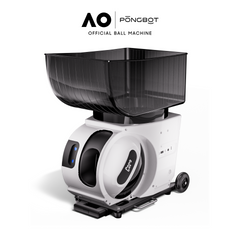
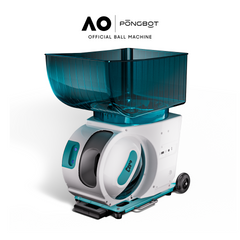
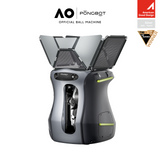
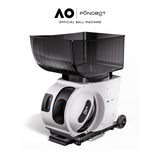
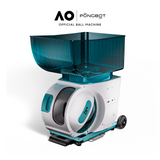
Once serving is complete, a tennis ball machine can support the return, movement, and rally portion of a structured practice. Players who want a lighter multi-sport option can also explore Pongbot Aura.
Serve mechanics use a linked sequence across the legs, trunk, shoulder, arm, and racket. This review of the eight-stage tennis serve model explains the movement phases and the importance of coordinated motion. Avoid chasing speed through arm effort alone.
Frequently Asked Questions
How accurate is a tennis serve speed calculator?
It can provide a useful estimate when distance and time are measured carefully. The calculator applies a fixed 1.2308 drag correction, but errors can come from camera angle, frame selection, distance measurement, spin, and air conditions. Do not treat the result as identical to calibrated radar.
What frame rate should I use?
Use 120 fps or 240 fps when your phone supports it. A higher frame rate gives more timing points during the short flight. You can use 30 or 60 fps, but a one-frame error has a larger effect on the result.
Why is my calculated speed different from radar speed?
The calculator estimates initial speed using average flight speed and a fixed correction factor. Radar measures the ball close to contact. Camera angle, video timing, spin, trajectory, weather, altitude, and ball condition can create a difference.
Can I calculate speed using feet?
Yes. Select feet beside the distance field. The widget converts the value internally and displays results in both mph and km/h.
Should I use the straight-line or court distance?
Use the best estimate of the ball’s actual contact-to-bounce flight distance. A horizontal court measurement is easier but ignores height and can understate the path. Use the same method every session if your main goal is progress tracking.
Does a faster serve always make a better serve?
No. A fast serve still needs reliable placement, spin, and a high enough legal-serve percentage. Track speed alongside target accuracy and consistency so the number supports match performance.
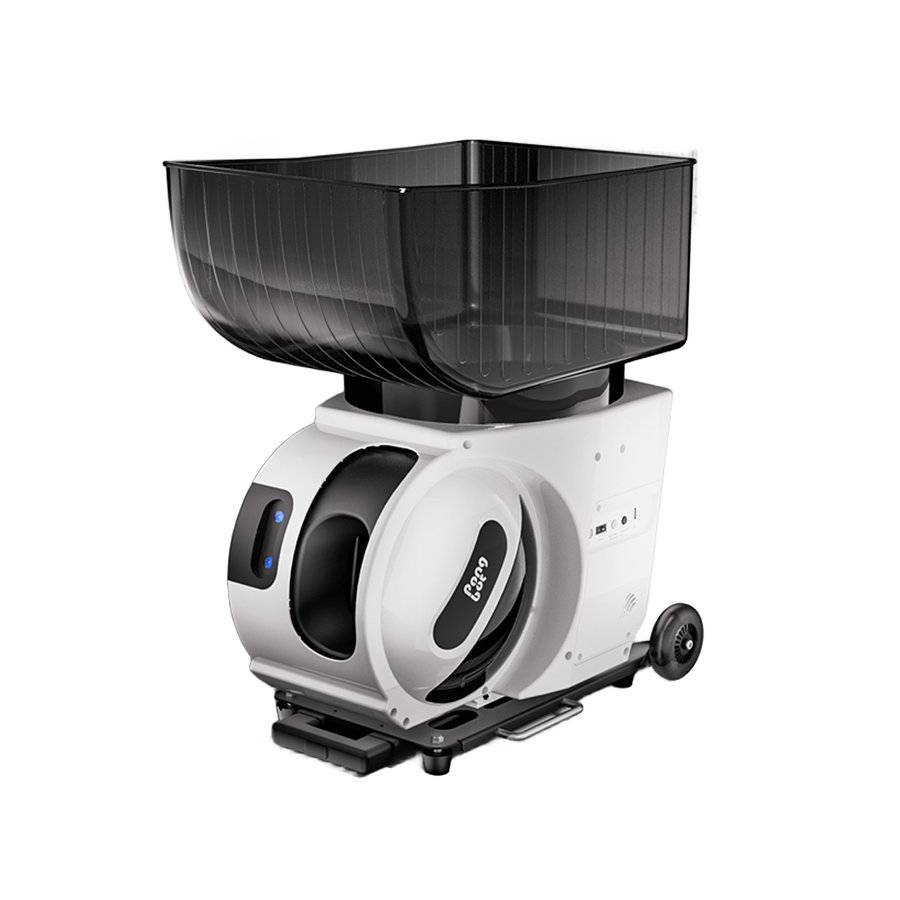
Build structured tennis sessions with smart, repeatable feeds for returns, movement, and rally patterns.
View Product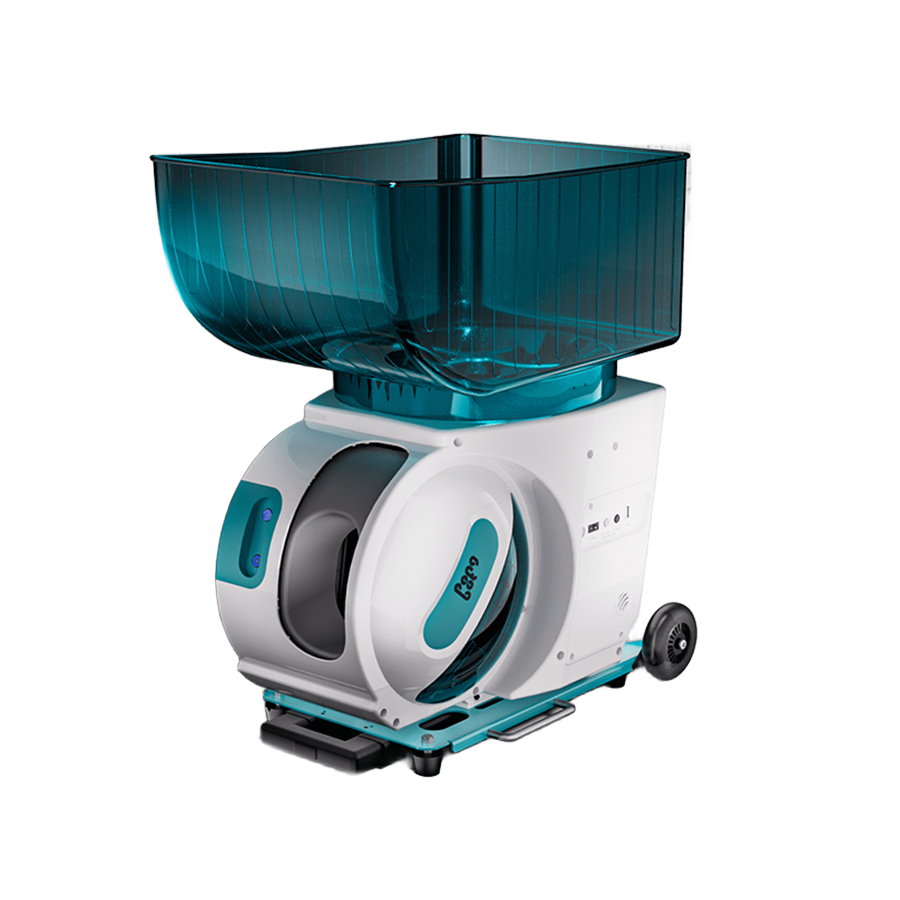
Use repeatable tennis feeds to develop more consistent strokes after serving practice.
View Product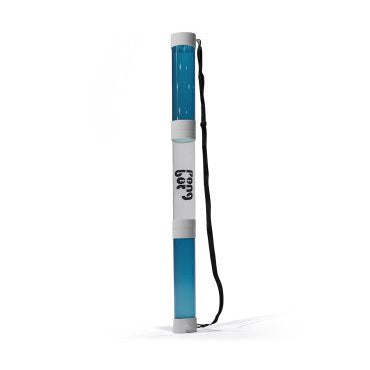
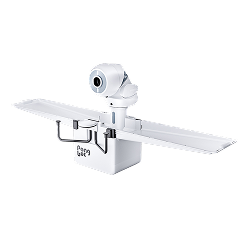
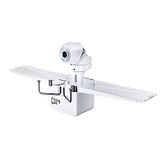
Collect tennis balls faster between rounds and spend more of each session practicing.
View ProductImportant: This tennis serve speed calculator provides estimates for practice and educational use. Results depend on the measurements entered and are not certified competition records.


