













Many adult players start between 50 and 60 lb (22.7 and 27.2 kg), or near the midpoint printed on the racket. Polyester normally needs a lower reference tension than nylon or natural gut because it feels firmer.
Use the tennis string tension calculator above for a range based on your racket limits, string type, head size, pattern, gauge, skill, swing, playing goal, and arm comfort.
How to Use the Tennis String Tension Calculator
- Check your racket frame. Enter the minimum and maximum tension printed on the throat or inside the frame.
- Describe the racket. Select its head size and string pattern.
- Choose your strings. Select the material and gauge. For a hybrid, choose separate main and cross strings.
- Add your playing profile. Choose your skill level, goal, swing speed, and arm sensitivity.
- Calculate your range. You will get pounds, kilograms, a recommended starting point, and a breakdown of each adjustment.
Bring the result to your stringer as a starting request. If you do not know a racket detail, choose the neutral option instead of guessing.
How the Tennis String Tension Calculator Works
The calculator starts with your racket’s printed tension range. It uses the midpoint as a safe baseline, then adjusts that number using the details you select.
- Racket tension range: Sets the minimum, maximum, and starting midpoint.
- String material: Makes the largest equipment adjustment. Polyester and aramid move lower because they feel firmer. Natural gut can support a slightly higher reference tension.
- Head size: A larger head may need a slightly higher tension for a more controlled launch.
- String pattern: Open patterns move slightly lower, while dense patterns move slightly higher.
- String gauge: Thick and thin strings receive small adjustments based on their response.
- Playing profile: Your skill, swing speed, and power-versus-control goal fine-tune the recommendation.
- Arm comfort: Sensitivity or past discomfort moves the starting tension lower for a softer response.
Your answer is shown as a range because personal feel still matters. Racket stiffness, weather, stringing machine, ball type, technique, and tension loss can change how the same number plays.
Start at the suggested target, test it for two or three sessions, then adjust by about 2 lb or 1 kg.
Tennis String Tension Chart
Use this chart as a broad reference. Always compare it with the range printed on your racket.
Junior rackets, vintage frames, and unusual string systems may need different settings.
| String setup | Common starting range | Best for | Feel |
|---|---|---|---|
| Polyester / co-poly | 44–54 lb 20–24.5 kg |
Spin, control, and durability | Firm; restring when playability drops |
| Synthetic gut / nylon | 50–60 lb 22.7–27.2 kg |
All-purpose play, beginners, and value | Crisp and balanced |
| Multifilament | 50–60 lb 22.7–27.2 kg |
Comfort and easy power | Soft and lively |
| Natural gut | 52–62 lb 23.6–28.1 kg |
Comfort, feel, power, and tension stability | Responsive and arm-friendly |
| Hybrid: poly plus gut, multi, or nylon | 46–56 lb 20.9–25.4 kg |
Blending spin and durability with comfort | Depends on the main and cross strings |
These are starting ranges, not frame limits. The racket manufacturer’s instructions come first.
How String Type Changes Tension
Polyester String Tension
Polyester and co-poly strings are stiffer than nylon, multifilament, or natural gut. They are popular with players who swing fast and create heavy spin.
Poly is commonly installed a few pounds lower than a softer string. A lower setup can improve pocketing and reduce a board-like feel.
Beginners and players with arm pain should be careful with a full bed of polyester.
Multifilament String Tension
Multifilament uses many small fibers to create a softer, more elastic response. It can provide easy depth and comfort for moderate swings.
Start near the middle of your racket range. Raise the tension slightly if the launch feels too lively. Lower it if you want more comfort or easier depth.
Synthetic Gut and Nylon Tension
Synthetic gut is a useful baseline because it offers a balanced mix of price, feel, power, and control.
The midpoint printed on the frame is usually a sensible first test. It also works well as a soft cross string in a hybrid.
Natural Gut String Tension
Natural gut is powerful, comfortable, and excellent at holding playable tension.
Players often string it near the middle or upper half of the racket range for a controlled response. Protect it from moisture and inspect it for fraying.
Hybrid String Tension
A hybrid uses one string in the mains and another in the crosses. The mains influence the overall response most.
A common setup uses polyester mains for spin and durability with multifilament, synthetic gut, or natural gut crosses for comfort.
The calculator gives separate numbers when the selected materials call for a difference. Tell your stringer which string belongs in the mains and crosses.
How Tension Affects Power, Control, and Spin
Lower tension lets the strings stretch farther at impact. This can create easier depth, a softer response, more ball pocketing, and a larger-feeling sweet spot.
Higher tension limits string-bed deflection. It can produce a firmer response, lower launch, and more predictable placement for players who swing fast.
Tension is only one part of spin production. Swing path, racket-head speed, string material, pattern, gauge, and string movement also matter.
Some players get better snapback and pocketing at a slightly lower tension, especially with polyester. That does not mean the lowest tension always creates the most spin.
Try Lower Tension If You Want:
- Easier power and depth
- A softer response
- A larger-feeling sweet spot
- More ball pocketing
- Help with arm comfort
Try Higher Tension If You Want:
- A firmer string bed
- A lower launch angle
- More predictable placement
- Control for fast, full swings
- Less string movement with soft strings
Higher tension is not automatically better for control, and lower tension is not automatically better for spin.
Technique and string snapback play major roles. Treat tension as one part of the full setup.
How to Fine-Tune Your Recommended Tension
- Start at the calculator’s target. Ask the stringer to record the string, gauge, machine, and date.
- Use the setup for two or three sessions. Avoid judging it from the first five minutes.
- Watch your normal rally ball. Note depth, launch, comfort, and confidence on full swings.
- Change only one variable. Keep the same string and adjust tension by about 2 lb or 1 kg.
- Record the result. Your own notes will become more useful than any generic chart.
Temperature can also change feel. Strings may feel firmer in cold conditions and livelier in heat. If you play in very different climates, keep separate warm-weather and cold-weather notes.
Fresh strings also lose tension after installation, especially polyester. Compare setups at a similar number of playing hours.
Train Your New String Setup With PONGBOT
Feel the Difference Through Repeatable Practice
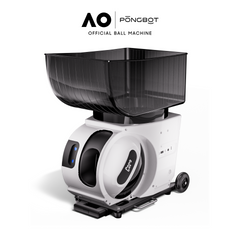
Dialing in your tension matters when you can compare it through consistent reps. PONGBOT equipment helps you test how a fresh string job changes depth, launch, comfort, spin, and control.

PACE S Pro
Use varied speeds, spins, and placements to compare your racket’s power, launch, and control.
Shop PACE S Pro
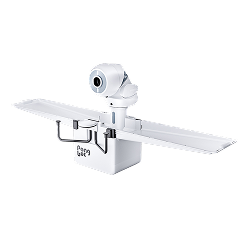
PACE S
Build repeatable practice sessions and check how your new string setup performs over time.
Shop PACE S
Tennis Ball Picker
Collect balls faster between tests so you can spend more of your session hitting.
Shop Ball PickerTennis String Tension Calculator FAQs
What tension should I string my tennis racket?
Start at the midpoint of the range printed on your racket’s throat or frame. Many adult rackets fall near 50–60 lb, but the printed limit should guide you. If you use polyester or a poly hybrid, start a few pounds lower because poly feels firmer than gut, multifilament, or nylon at the same tension.
Is 50 lb a good tennis string tension?
Yes, 50 lb is a sensible starting point for many modern rackets. It may suit polyester, hybrid, nylon, or multifilament setups differently. Confirm that 50 lb sits inside your frame’s recommended range.
Is lower or higher tension better for tennis?
Neither is better for everyone. Lower tension generally favors easier depth, comfort, pocketing, and a larger-feeling sweet spot. Higher tension generally creates a firmer response and more predictable launch. Most players should adjust in small 2–3 lb steps instead of jumping to an extreme.
What tension gives more power?
Lower tension generally makes depth and power easier because the string bed deflects more. Try lowering by about 2 lb at a time. Large jumps can make it hard to identify what improved.
What tension gives more control?
A slightly higher tension can create a firmer response and lower launch angle. Players with fast swings may find this easier to control. However, control also depends on technique, string material, and racket design.
Should polyester be strung at a lower tension?
Usually, yes. Polyester is stiffer than nylon, multifilament, and natural gut. Many players install it a few pounds lower to improve pocketing and comfort. Stay within the racket maker’s instructions unless a qualified stringer advises otherwise.
What tension is best for tennis elbow?
A lower tension and a softer string, such as multifilament or natural gut, may feel more comfortable. A flexible racket can also help. Stop if play causes pain and speak with a medical professional. A calculator cannot diagnose or treat an injury.
Should mains and crosses use the same tension?
They can. A full bed normally uses the same reference tension. In a hybrid, a stiffer polyester main is often installed a few pounds lower than a softer gut, multifilament, or nylon cross. Follow the string and racket limits, and ask your stringer about unusual combinations.
How often should I restring my racket?
Restring when control becomes unpredictable, comfort drops, the strings notch badly, or a string breaks. The old guideline of restringing as many times per year as you play each week can be a starting point. Competitive players and polyester users often restring sooner because playability can fall before the string breaks.
Are pounds and kilograms the same tension measurement?
They measure the same force in different units. One kilogram-force is about 2.205 pounds-force. This calculator shows both values so you can give either number to your stringer.
What happens if my racket is strung too tight or too loose?
A setup that is too tight can feel harsh, reduce the effective sweet spot, and place more stress on the frame. A setup that is too loose can launch the ball unpredictably and allow excessive string movement. Stay within the racket’s printed range unless an experienced technician recommends otherwise.
Does string tension affect topspin?
Yes, but tension usually has less influence on spin than swing path, racket-head speed, string material, pattern, and gauge. Some players find that a slightly lower tension improves pocketing and string snapback, especially with textured or thinner polyester.
Important: This free tennis string tension calculator provides an educational starting point. Follow the racket and string manufacturers’ limits. Consult a qualified stringer for unusual frames, injuries, or custom setups.


