











Quick Tip: Most adult players use a tennis grip size between L1 and L4 (4 1/8" to 4 1/2"). Measure from the bottom crease of your palm to the tip of your ring finger, then match that measurement to a grip size, or use the tennis grip size calculator above for an instant result.
Key Takeaways
- Most adults use grip sizes L1 to L4 (4 1/8" to 4 1/2")
- Measure from your palm crease to your ring finger tip to find your size
- If you're between two sizes, always size down, you can build a grip up with an overgrip but can't easily make one smaller
- An overgrip adds about 1.6mm to the circumference, roughly half a size
- Hand size, not gender, is what determines the right grip
How to Use the Tennis Grip Size Calculator
Grab a ruler and measure your dominant hand from the base palm crease to your ring finger tip.
Drag the slider above to that measurement in millimeters (the tool shows the inch equivalent too), then tap Get My Grip Size.
You'll get your exact EU and US grip size, the racket circumference to look for, and fit notes based on your specific size.
Why Grip Size Matters
The correct grip size affects comfort, control, and injury prevention. A grip that's too small forces you to squeeze harder just to keep the racket stable, which increases the risk of tennis elbow and reduces shot control.
A grip that's too large restricts wrist movement, making it harder to generate topspin and execute fast grip changes between forehand and backhand.
Getting the size right is one of the easiest upgrades a recreational player can make, often more impactful than the racket model itself.
Tennis Grip Size Chart
| EU Size | US Size | Circumference | Hand Measurement |
|---|---|---|---|
| L0 | 4" | 101.6 mm | ≤ 103.2 mm |
| L1 | 4 1/8" | 104.8 mm | 103.2 – 106.4 mm |
| L2 | 4 1/4" | 108.0 mm | 106.4 – 109.5 mm |
| L3 | 4 3/8" | 111.1 mm | 109.5 – 112.7 mm |
| L4 | 4 1/2" | 114.3 mm | 112.7 – 115.9 mm |
| L5 | 4 5/8" | 117.5 mm | 115.9+ mm |
How to Measure Your Hand for Grip Size
Open your dominant hand with your fingers extended and held together.
Find the bottom lateral crease of your palm, the horizontal line running across your palm just below your fingers.
Place a ruler at that crease and measure straight up to the tip of your ring finger.
Match that measurement (in mm or inches) to a grip size using the calculator or chart above.
The Index Finger Test
If you already own a racket, use this quick check instead of a ruler. Hold the racket with your normal grip, then try to slide the index finger of your other hand into the gap between your fingertips and the base of your palm.
A snug fit means the grip size is correct. No gap at all means the grip is too small. A large, loose gap means it's too big.
This is a fast way to confirm fit, but a ruler measurement is more precise when you're buying a new racket.
Frequently Asked Questions
What if I'm between two grip sizes?
Go with the smaller size. It's easy to build a grip up with an overgrip or a heat-shrink sleeve, but there's no practical way to reduce a grip that's too large. An overgrip adds approximately 1.6mm to the circumference, roughly half a size, so many players intentionally buy a slightly smaller base grip and customize the feel from there.
Do men and women use different grip sizes?
There's no gender-specific sizing. On average, men tend to land in sizes L2 to L4 (4 1/4" to 4 1/2") and women in L1 to L3 (4 1/8" to 4 3/8"), but that's purely a reflection of average hand size, not a rule. A woman with larger hands should use the same size as a man with the same hand measurement.
Can I change the grip size on my racket?
You can increase grip size with overgrips (about 1.6mm each, roughly half a size) or a heat-shrink sleeve (about 3.2mm, roughly one full size). Reducing size is harder. Replacing the base grip with a thinner one can shave off about half a size, but anything beyond that would require shaving down the handle itself, which isn't practical for most players.
What grip size do professional players use?
Most ATP pros use sizes L2 to L4 (4 1/4" to 4 1/2"). Rafael Nadal famously plays a size L2, smaller than his hand size would suggest, because he prioritizes wrist mobility for heavy topspin. Most WTA pros use L1 to L3 (4 1/8" to 4 3/8"). Pro preference is highly individual and often differs from what a ruler measurement alone would recommend.
Does grip size affect tennis elbow risk?
Yes. A grip that's too small forces your hand and forearm muscles to work harder to keep the racket stable on contact, which increases strain on the tendons connected to tennis elbow. Sizing correctly, and not gripping tighter than necessary, is one of the simplest ways to reduce that risk.
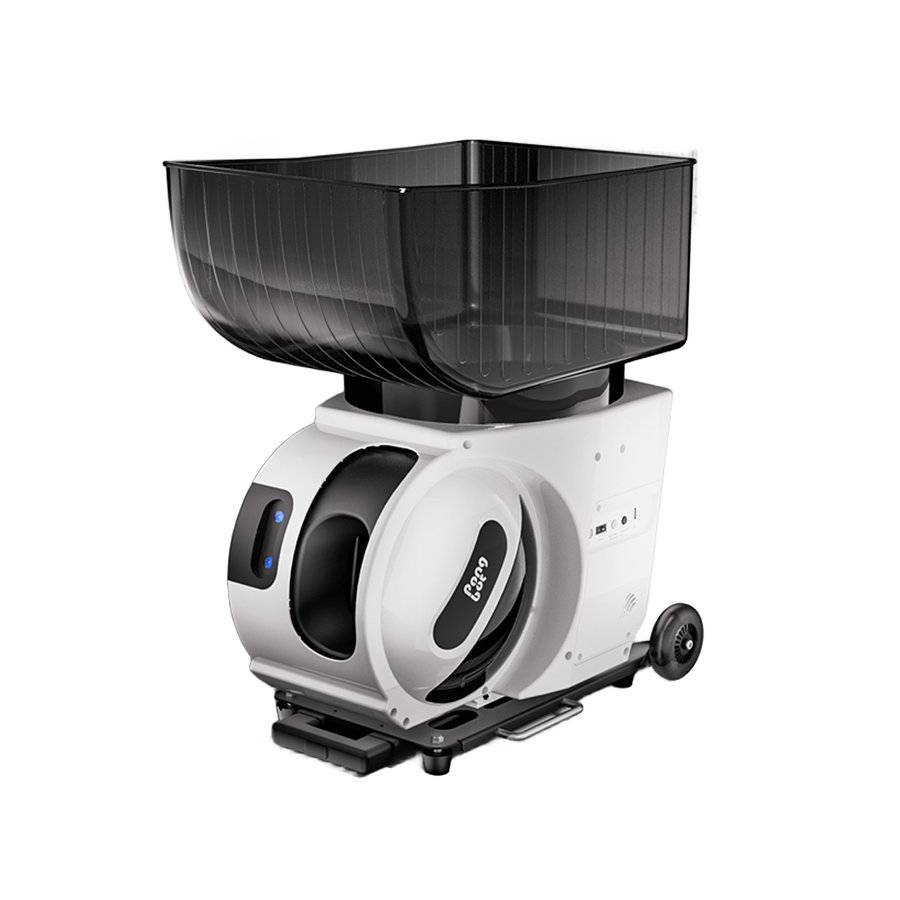
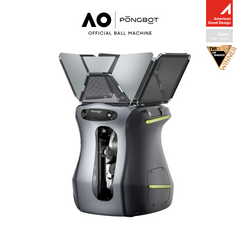
Build focused tennis sessions with smart, repeatable feeds for grip changes, forehands, and topspin.
View Product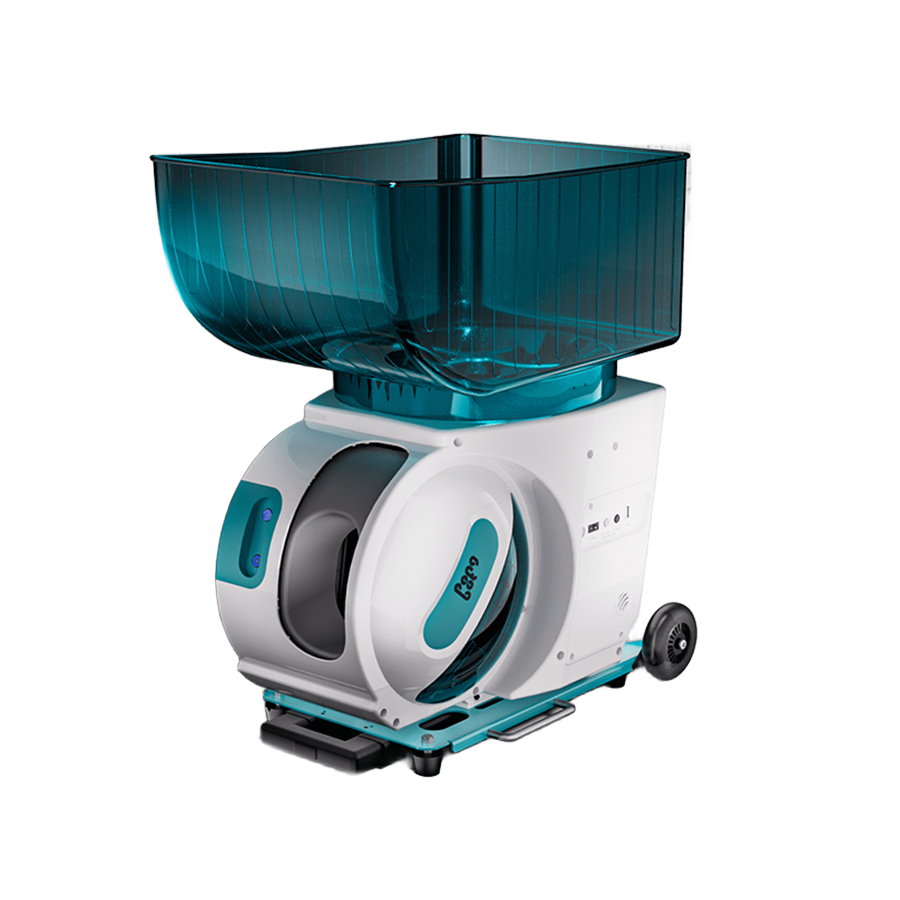
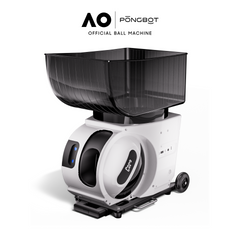
Use repeatable tennis feeds to develop comfort and consistency with your correctly sized grip.
View Product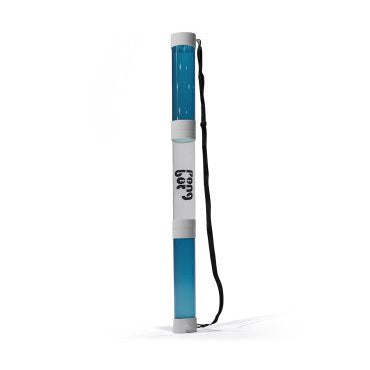
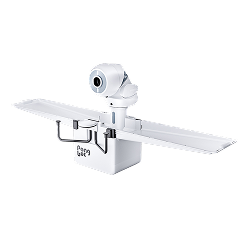
Collect tennis balls faster between rounds and spend more of each session practicing.
View Product

