









Here are 9 table tennis training tools — ranked by what actually moves the needle — from essential basics to the kind of gear that separates steady improvement from plateau.
- Training robots offer the highest-volume solo practice of any tool — AI models like Pongbot adapt to your level automatically.
- Ball collection nets save time and keep drill flow continuous so you stay in the zone.
- Multi-ball training with bulk balls builds consistency faster than live rally practice alone.
- Return boards and wall drills are free or near-free ways to sharpen technique between sessions.
- Investing in quality rubber cleaner and proper paddle storage extends your gear's life and performance.
Why the Right Table Tennis Training Equipment Matters

Most players practice with whatever's available — an old paddle, a handful of balls, maybe a partner who shows up when they can. That works to a point. But skill improvements in table tennis come from high-volume, targeted repetition with good feedback. The right equipment gets you more quality reps per session, tracks your progress over time, and keeps you training even when a partner isn't available.
The nine tools below are ordered by training impact — not price. Some cost under $20. Others cost a few hundred. All of them earn their place by making your practice time count for more.
9 Table Tennis Training Tools Ranked by Training Value
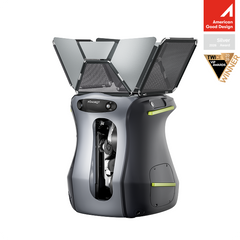
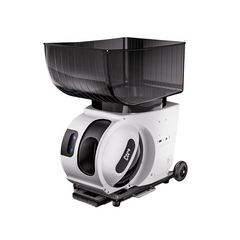
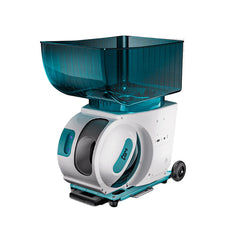
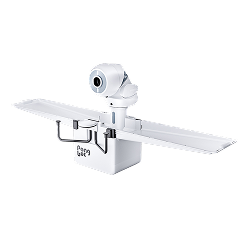
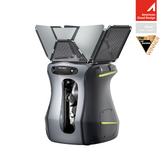
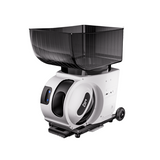
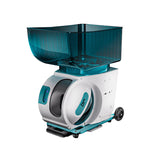
- AI Training Robot (e.g. Pongbot Nova S Pro, Omni S Pro, Halo S Pro). The highest-leverage solo training tool in table tennis. AI robots like Pongbot's Nova S Pro, Omni S Pro, and Halo S Pro deliver 264–702+ coach-designed drills, automatic full-table placement, and 360° spin variation — far beyond what any fixed-pattern robot can offer. You control the intensity, and the machine adapts to your level rather than looping the same pattern endlessly. Best for: any player serious about consistent improvement who trains alone or wants higher-volume reps than a partner can provide.
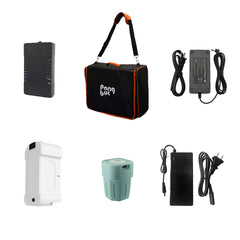
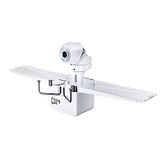
- Ball Collection Net. Stops the time-wasting scramble between drills. A good collection net stretches across the table end and catches balls so you can focus on technique instead of fetching. Some nets double as multi-ball catchers for continuous feeds. Pongbot's ball collection net is purpose-built for their robots and keeps drill flow smooth. Best for: anyone using a robot or doing multi-ball feeds who wants zero interruption between reps.
- Ball Picker / Ball Hopper. Lets you run multi-ball drills efficiently without bending over every three shots. Fill it once, set it near your training zone, and pull balls as you need them. Bulk-ball feeding is one of the fastest ways to build consistency — especially for footwork patterns and directional drills. Best for: coaches running group sessions and players doing high-volume repetition work.
- Multi-Ball Feeding. Not a physical tool so much as a technique — but it requires bulk training balls. Multi-ball feeds let you drill a specific shot dozens of times in a row without waiting on a partner's rhythm. Drop feeds, topspin placements, spin variation — all reproducible at volume. Best for: players working on specific technique or recovering from injury where controlled repetition is the priority.
Return Board / Rebound Board. The cheapest high-value tool in table tennis training. A rebound board returns the ball at a consistent angle so you can practice stroke mechanics and footwork alone. Not as varied as a robot, but infinite reps for under $50. Best for: beginners building fundamental technique and advanced players doing warm-up routines before a match or session. - Quality Table Tennis Shoes. Often overlooked, but the right shoes improve footwork speed, stability during lunges, and injury prevention. Table tennis involves a lot of quick direction changes on a smooth surface — running shoes aren't designed for that. Proper footwear keeps your footwork sharp and your ankles protected. Best for: all levels, especially players who play competitively or notice footwork fatigue mid-match.
- Spin Validation Wand or Spin Meter. A niche tool for serious players who want to quantify their spin production. Measures spin RPM on serves and loops so you can calibrate how much spin you're actually generating versus how much you think you're generating. Useful for developing consistent serve technique. Best for: intermediate-to-advanced players working on serve development and spin consistency.
- Rubber Cleaner & Protector. Extends the life of your rubber by removing dust, chalk residue, and moisture after every session. Clean rubber maintains its tackiness and spin generation far longer than neglected rubber. A $10 bottle of cleaner used consistently can add months to an expensive rubber sheet. Best for: any player using quality rubber who wants to protect their investment.
- Paddle Case & Edge Tape. Prevents delamination and edge damage during transport. Edge tape in particular protects the side of your blade from the repeated impacts that cause splitting over time. A paddle case keeps your bat flat and climate-protected between sessions. Best for:html any player transporting gear to training, tournaments, or club sessions.
| Tool | Best For | Price Range |
|---|---|---|
| AI Training Robot | High-volume solo reps, adaptive difficulty | $300–$1,000+ |
| Ball Collection Net | Uninterrupted robot or multi-ball training | $30–$100 |
| Ball Picker / Hopper | Multi-ball drills, efficient feeding | $20–$60 |
| Multi-Ball Feeding | Repetition, technique isolation | $10–$30 (bulk balls) |
| Return Board | Solo warm-up, beginner fundamentals | $30–$100 |
| Table Tennis Shoes | Footwork speed, injury prevention | $50–$150 |
| Rubber Cleaner | $8–$20 | |
| Paddle Case + Edge Tape | Blade protection, transport safety | $10–$40 |
Start with a return board and a quality paddle — that's enough to begin structured solo practice for under $100. Add a ball picker and collection net as your volume increases. Graduate to an AI training robot when you plateau on the basics and need adaptive, high-volume reps that a fixed pattern can't provide.
Building Your First Training Setup
You don't need everything on this list on day one. A smart starter setup under $150 covers the fundamentals: a good paddle, a return board for solo warm-ups, a ball picker for multi-ball feeds, and rubber cleaner to protect your rubber from session one.
As your training volume increases and you move past basic consistency, add a ball collection net to keep robot drills flowing without interruption. And when you're ready to stop outgrowing your practice — when the patterns start feeling too familiar — that's when an AI training robot like Pongbot becomes the upgrade that actually changes how fast you improve.
Frequently Asked Questions
What is the most important table tennis training equipment for beginners?
Are AI training robots worth the cost for club-level players?
How often should I replace my training balls?
Do I need special shoes for table tennis?
What equipment do I need to practice table tennis at home?
The best table tennis training equipment is the gear that gets you more quality reps per session, keeps you training when no one's available, and adapts as you improve. Start with the fundamentals — a return board and ball picker — and add tools as your training volume and goals grow. When you're ready for the biggest leap, an AI training robot like Pongbot changes what solo practice can actually accomplish.
You May Also Like:
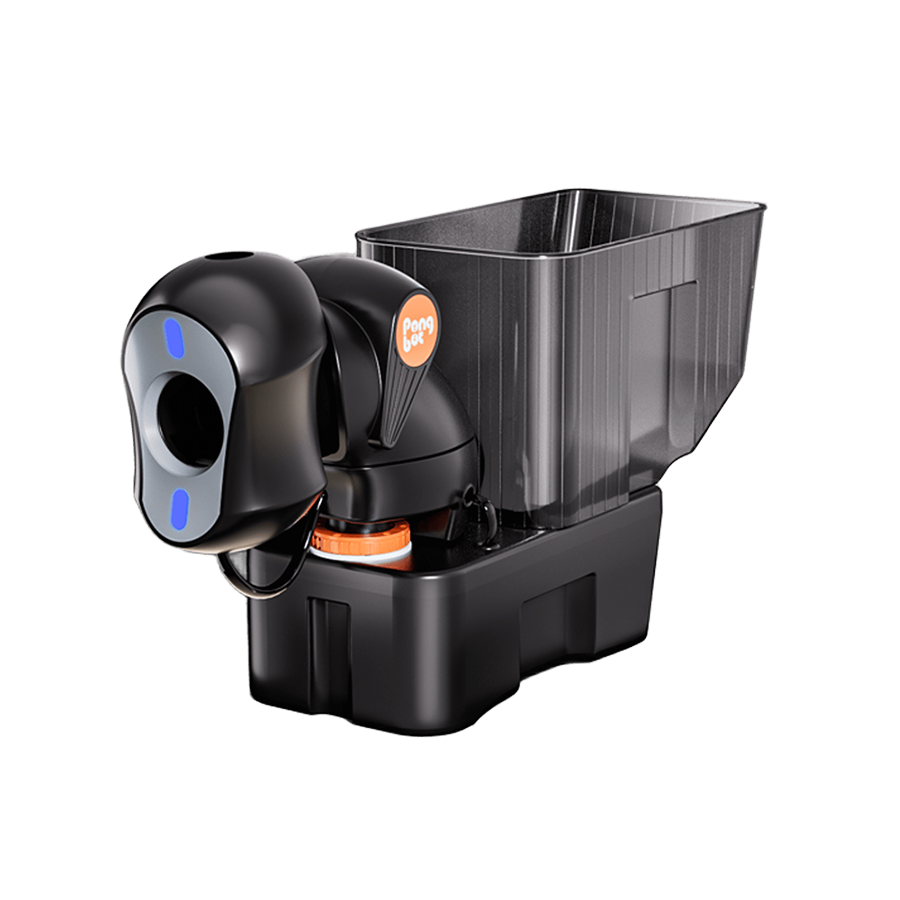
AI-powered portable robot with 264+ drills. Backpack-portable, starts at $299.99.
View Product
Clip-on AI robot with 522+ drills and full-table auto-oscillation.
View Product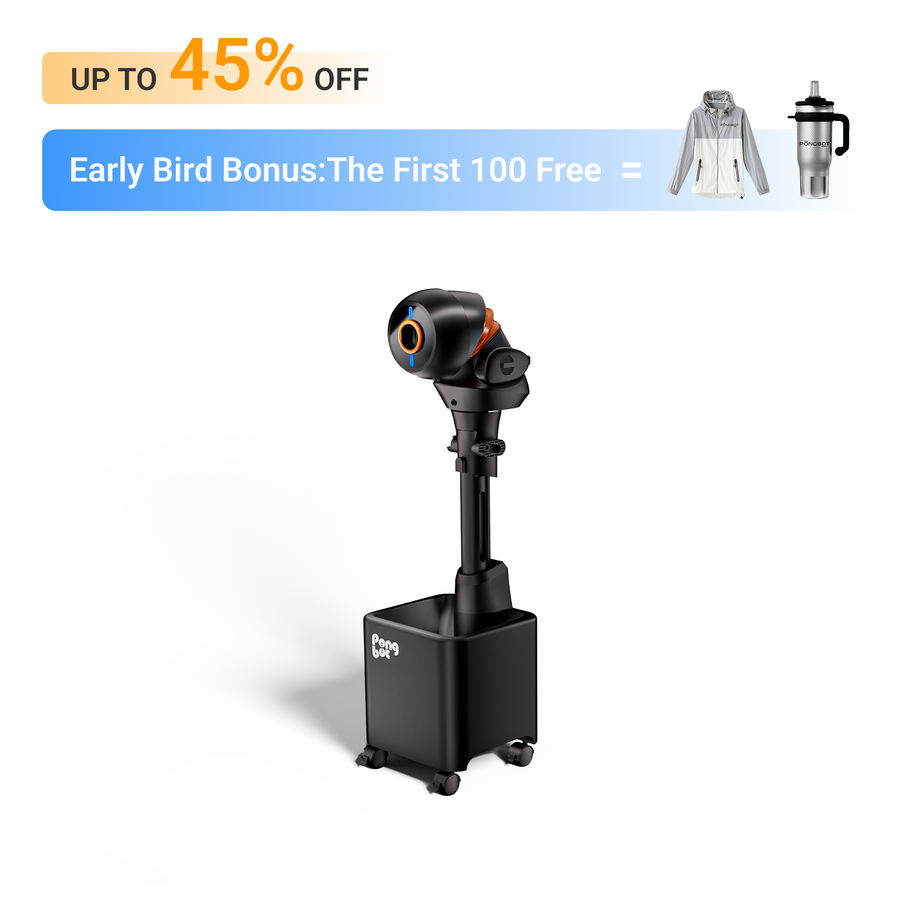
Standing AI robot with 702+ drills and realistic rally-angle placement.
View Product
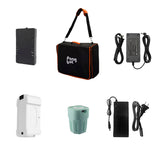
Ball collection nets, pickers, carry bags, and more.
View Collection

