








Not every ping pong machine is built the same, and the gap between "smart" and "basic" is bigger than most players expect.
If you love racket sports like tennis, pickleball, or table tennis, you already know good practice gear matters. The real question is whether an AI ping pong machine actually beats a traditional robot, or if the classic option still gets the job done. Pair whichever you pick with the right table tennis training accessories, and here's how the two categories stack up so you can choose what fits your game.
- AI ping pong machines adjust to your play and feel closer to a real opponent
- Traditional robots are great for repetition and building basic skills
- AI machines cost more but deliver smarter, more varied training sessions
- Traditional robots are easier to use and friendlier on a budget
- PongBot covers both ends, from portable app-controlled robots to E-Pad-powered smart training
AI Ping Pong Machine vs. Traditional Robot
Both machines exist to help you practice, but they get there in very different ways. Understanding the basics makes the choice a lot easier.
What Is a Ping Pong Robot?
A ping pong robot shoots balls across the table so you can drill shots without a partner. Depending on the model, it controls speed, spin, and placement to different degrees.
AI Ping Pong Machine vs. Traditional Robot at a Glance
| Feature | AI Ping Pong Machine | Traditional Robot |
|---|---|---|
| Learning ability | Adjusts based on input or settings | No learning, fixed patterns |
| Training style | Dynamic, more realistic | Repetitive drills |
| Setup | More advanced | Simple |
| Cost | Higher | More affordable |
| Best for | Intermediate to advanced players | Beginners and basic training |
Which One Fits Your Training Style
If you already train with tennis or pickleball machines, think of this as smart training versus steady repetition. Neither one is wrong, they just solve different problems at different stages of your game.
How an AI Ping Pong Machine Works

AI machines are built to react and adjust, which makes practice feel closer to a real match. The focus shifts from pure technique to decision-making under pressure.
Real-Time Tracking and Response
These machines use cameras or sensors to track your shots, then adjust speed, spin, and placement based on where and how you hit the ball.
Learning Your Playing Style
- Tracks general patterns in your shots depending on the system
- Sends balls to challenge weaker areas using preset or adaptive features
- Changes drills automatically or through app controls
Can AI Robots Play Ping Pong?
Yes, they can rally with you in a way that feels closer to playing a person. Some advanced systems, especially in research settings, can simulate full match scenarios, though most consumer robots stay focused on structured training rather than true competition.
If you enjoy dynamic training like pickleball rallies, this kind of machine brings that same energy to table tennis. Pairing one with quality balls and a proper ball picker rounds out a genuinely complete practice setup.
How a Traditional Ping Pong Robot Works

Traditional robots focus on consistency and control, which makes them ideal for structured practice. They're simple, reliable, and quick to set up.
Pre-Programmed Drills
You pick the shot type, and the robot repeats it over and over. That repetition is exactly what builds muscle memory.
Manual Controls
- Adjust spin, speed, and frequency
- Set ball placement manually
- Repeat the same drill for as long as you need
Can a Robot Work Without AI?
Yes, and that's exactly how traditional robots operate. They follow instructions without adapting, which is more than enough for beginners or anyone working on fundamentals.
Core Differences Between AI Ping Pong Machine vs. Traditional Robot
The biggest gap between these two comes down to how they respond to you mid-session. One reacts, the other repeats.
Side-by-Side Comparison
| Category | AI Ping Pong Machine | Traditional Robot |
|---|---|---|
| Adaptability | Adjusts in real time or via smart settings | Fixed patterns |
| Gameplay feel | Closer to a real opponent | Like a drill machine |
| Skill focus | Decision-making and reaction | Technique and consistency |
| Control | Automatic or app-based | Manual setup |
| Learning curve | Moderate | Easy |
What Is the Basic Difference?
AI machines adjust their responses during play or through smart programming, while traditional robots simply follow instructions. That single difference cascades into everything else, training style, results, even how quickly you get bored of it.
Where the Line Actually Blurs
Plenty of robots marketed as "smart" or "AI-powered" are really rule-based systems with a deep drill library and app control, not true adaptive AI. That's not a knock, a well-built rule-based robot with hundreds of programmed drills still delivers real, measurable improvement.
Training Results: AI Ping Pong Machine vs. Traditional Robot
Your results depend on what you're actually trying to improve. Both machines help, just in different ways.
Skill Development
| Skill Area | AI Machine Impact | Traditional Robot Impact |
|---|---|---|
| Reaction time | High improvement | Moderate |
| Consistency | Moderate | High improvement |
| Footwork | Strong improvement | Limited |
| Shot accuracy | Balanced | Strong improvement |
Are Ping Pong Robots Worth It?
Yes, especially if you practice often. Even a basic robot improves your game, while a smarter machine speeds up progress once you've got the fundamentals down.
Building a Complete Setup
If you already use paddles, balls, or other training gear, adding a robot on top makes every session more efficient, since you're not waiting around for a partner to get a proper drill going.
Performance and Playing Experience Comparison

How a machine feels during practice changes your motivation as much as your results. This is where the gap between categories shows up most.
Real Opponent Feel
AI machines react to your shots, which makes rallies feel dynamic and closer to real gameplay. Traditional robots feel more predictable and structured, which some players actually prefer for pure drilling.
Accuracy and Consistency
- Traditional robots are extremely consistent, rep after rep
- AI machines trade some of that consistency for realism
Can AI Machines Actually Beat Human Players?
Some advanced systems in research or controlled environments have challenged skilled players. Consumer machines are built mainly for training rather than competition, so don't expect a home robot to hustle you for money.
Cost and Value: AI Ping Pong Machine vs. Traditional Robot
Budget is a real factor here, and the price gap between categories can be significant.
Cost Breakdown
| Factor | AI Ping Pong Machine | Traditional Robot |
|---|---|---|
| Initial cost | High | Low to medium |
| Maintenance | Moderate | Low |
| Features | Advanced | Basic |
| Value over time | High for serious players | Great for beginners |
Long-Term Value
AI machines offer more variety and room to grow into. Traditional robots are ideal if what you actually want is consistent, no-frills drilling for years.
Don't Forget the Accessories
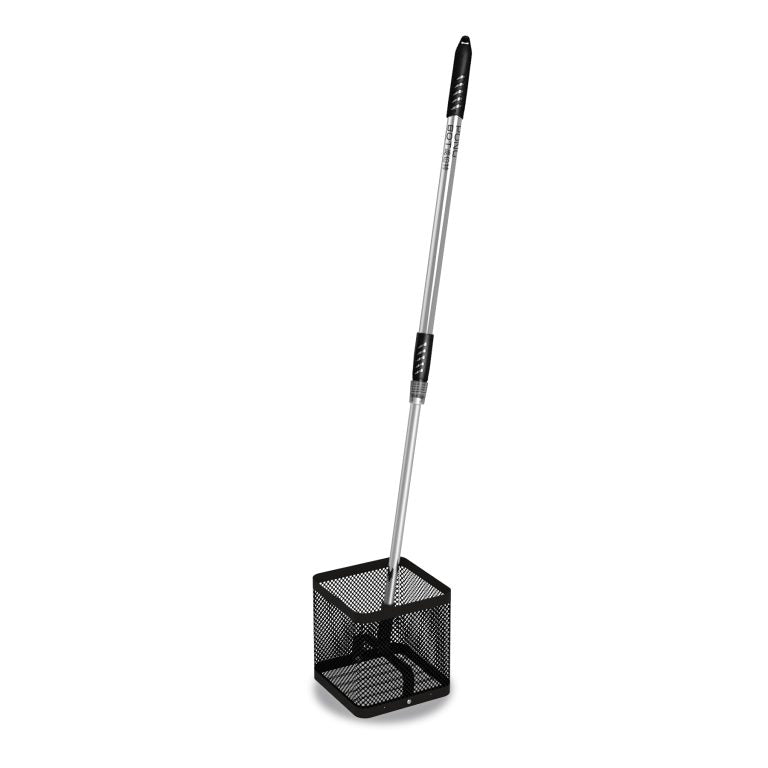
Whichever machine you land on, a ball picker pays for itself fast. Long sessions with a 150 to 250-ball hopper mean a lot of stray balls on the floor, and picking them up by hand eats into real practice time.
Pros and Cons of AI Ping Pong Machines
AI machines bring a modern training experience with a few real trade-offs. They suit players who want a smarter practice partner.
- Pro: Adapts to your skill level through smart features
- Pro: Feels closer to real gameplay
- Pro: Great for advanced training
- Con: Higher cost
- Con: More complex setup
- Con: May be more machine than a beginner actually needs
Pros and Cons of Traditional Ping Pong Robots
Traditional robots stay popular because they're simple and they work. They're especially useful for players just starting out.
- Pro: Affordable and easy to use
- Pro: Great for repetition
- Pro: Reliable, predictable performance
- Con: Limited adaptability
- Con: Less realistic gameplay
- Con: Can feel repetitive over time
Best Use Cases for AI Ping Pong Machine vs. Traditional Robot
The right machine depends on your skill level and your training goals. Each option really does fit a different type of player.
Player Match Guide
| Player Type | Best Choice |
|---|---|
| Beginner | Traditional robot |
| Intermediate | Both work, leaning AI |
| Advanced | AI machine |
| Casual home use | Traditional robot |
| Competitive training | AI machine |
For Beginners and Casual Players
Start with something portable and simple to set up. A compact, app-controlled robot lets you build fundamentals without a steep learning curve or a big price tag.
For Competitive and Advanced Players
Look for automatic oscillation, a deep drill library, and a dedicated touchscreen controller. That combination gets you closest to genuinely match-like training.
Top Models: AI Ping Pong Machine vs. Traditional Robot Picks
There are plenty of options out there, so knowing what to look for narrows things down fast.
What to Look For
- Ball speed and spin control
- Drill customization
- Build quality and durability
- Ease of setup
PongBot's Lineup Across Both Categories
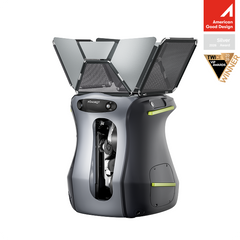
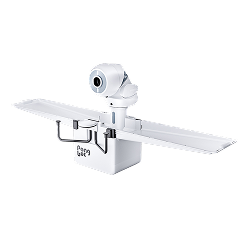
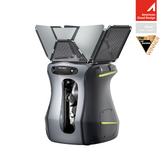
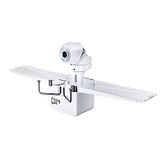
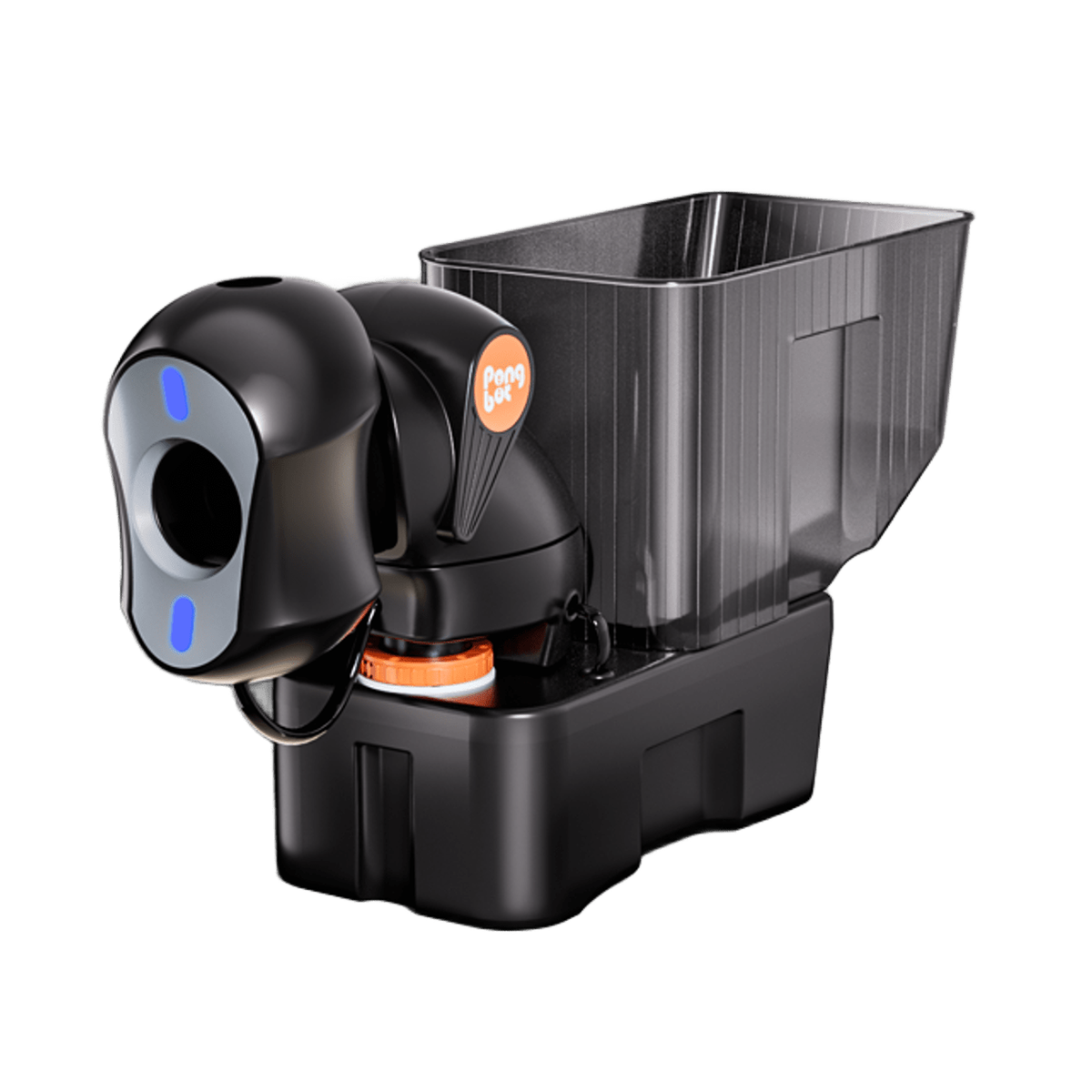
PongBot's Omni S Pro and Halo S Pro both add the "AI-Powered Coach" tier, with automatic oscillation, 360-degree spin, and a dedicated E-Pad S touchscreen that adjusts training in real time. Omni S Pro clips onto the table for a compact footprint, while Halo S Pro is the floor-standing option built for full-table drills.
What Is the Best Ping Pong Robot in the World?
The best one depends on your level and goals. Some players prefer a smarter, adaptive machine, others get more mileage out of a reliable traditional robot with a huge drill library.
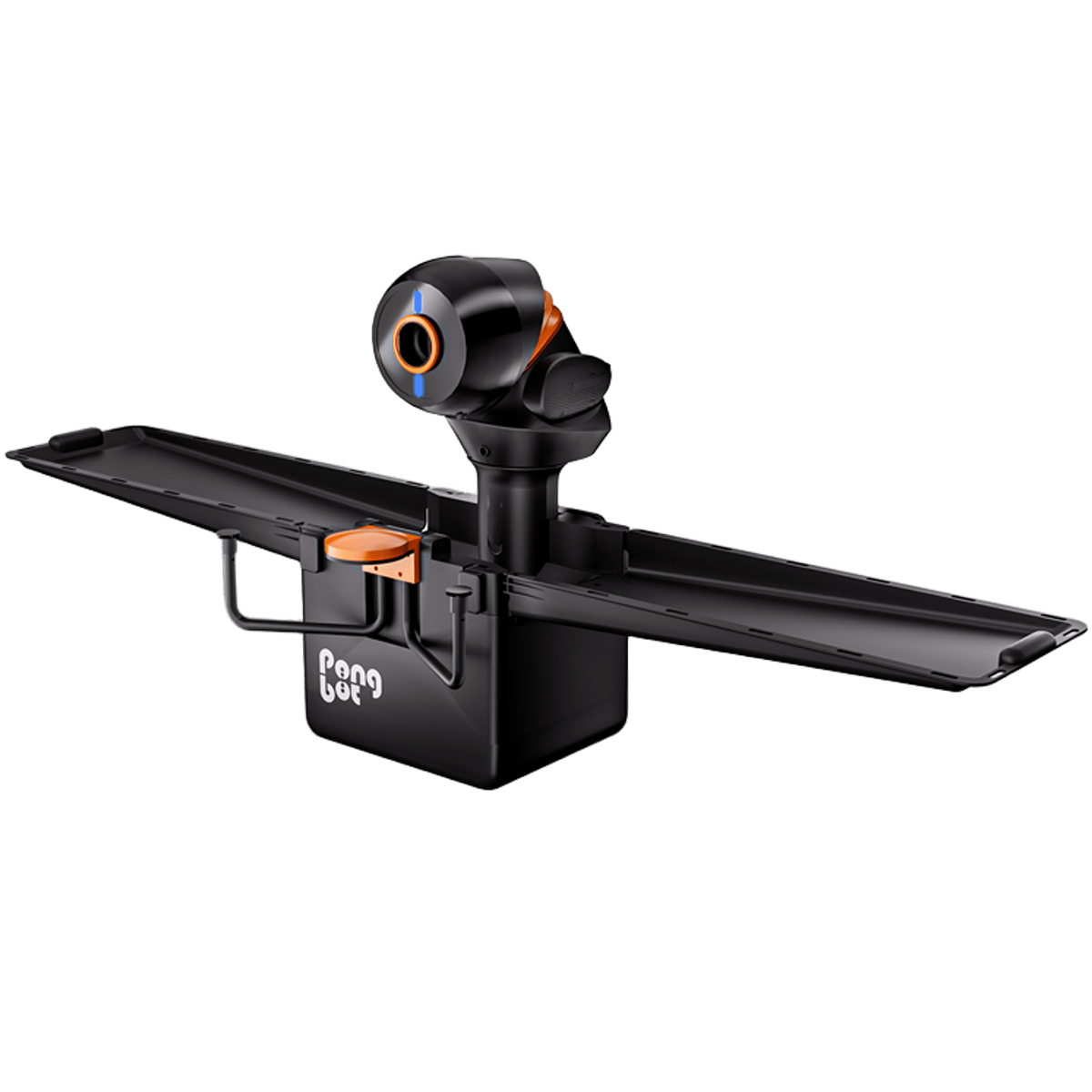
Clip-on robot with 360-degree spin, 522+ drills, and the E-Pad S touchscreen for real-time training adjustments.
$1,099.99 $1,599.99
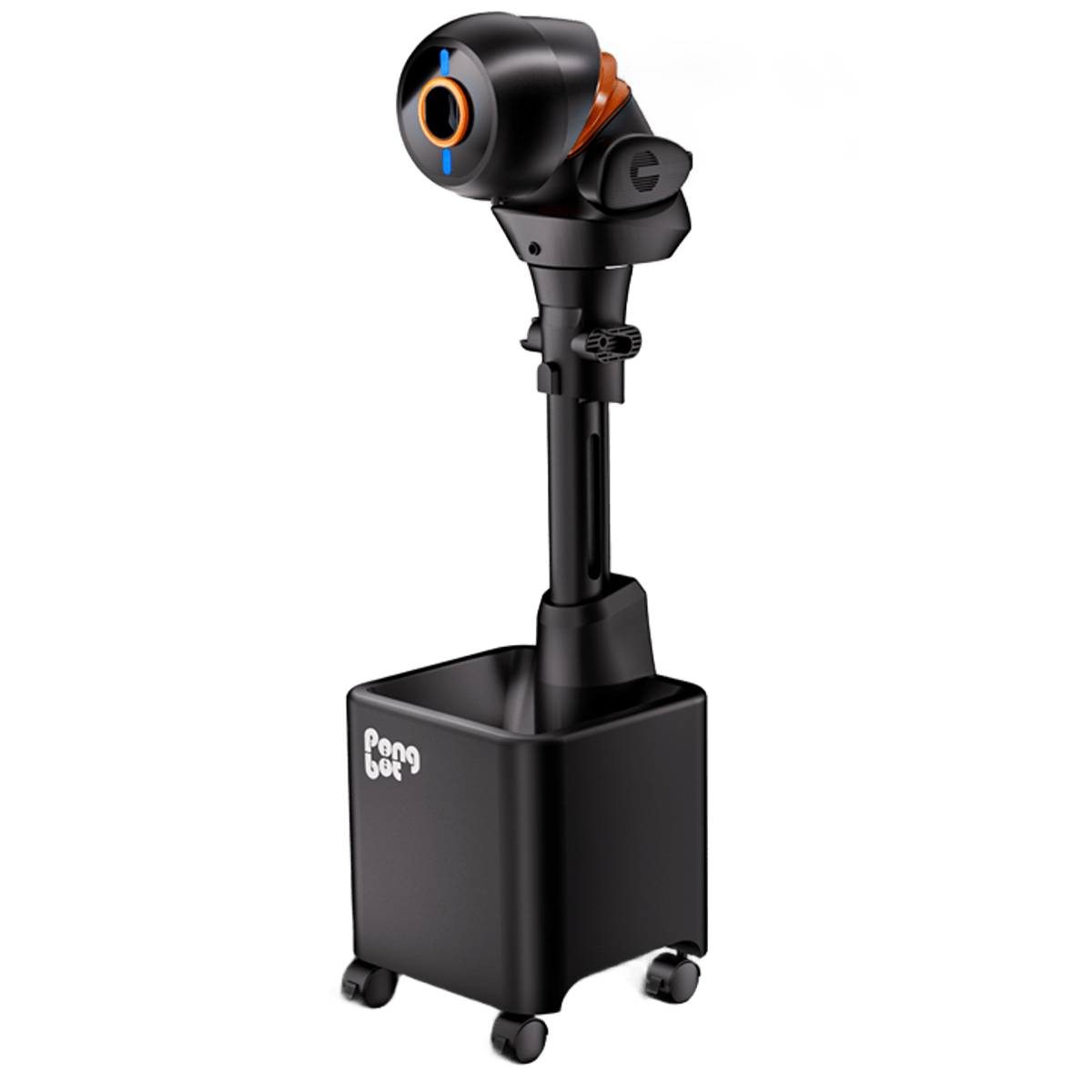
Floor-standing robot with 702+ drills and automatic full-table oscillation, built for advanced and competitive training.
$1,499.99 $1,999.99
Future of AI Ping Pong Machine vs. Traditional Robot
Training machines are evolving fast, with smarter features showing up every year. That makes practice more engaging and more effective across the board.
What Is Changing
- More realistic shot prediction
- Better tracking systems
- Easier setup and simpler controls
Will AI Replace Traditional Robots?
Not completely. Traditional robots still serve a real purpose, especially for basic training and for players who just want reliable repetition without extra complexity.
What This Means for Your Next Purchase
Buy for where you are today, not where you hope to be in a year. A simple robot you'll actually use beats an advanced one that sits in the closet because the setup felt like a chore.
Both options can genuinely improve your game, they just serve different needs. An AI ping pong machine suits players who want a realistic, adaptive training partner, while a traditional robot is perfect for simple, consistent practice. If you're serious about match-like training, the AI-powered tier is worth the investment. If you want something affordable and easy to pick up, a traditional-feel robot does the job well.
FAQs About AI Ping Pong Machine vs. Traditional Robot
What is the difference between AI and a robot?
AI refers to a system that can learn and make decisions based on data. A robot is simply a machine that performs tasks, with or without AI behind it. Combine the two and the robot becomes more flexible and responsive.
What is the difference between an AI machine and a regular machine?
An AI machine adjusts its behavior based on input and experience. A regular machine follows fixed instructions and only changes when you manually adjust it, which makes AI machines noticeably more dynamic in use.
Are ping pong robots good for beginners?
Yes, they're genuinely helpful for learning timing and control. Beginners can build confidence with simple drills, and a traditional robot is usually the best place to start.
How much does a ping pong robot cost?
Prices range from a couple hundred dollars to several thousand. Traditional robots sit at the affordable end, while AI-powered machines cost more as they add features and build quality.
Can ping pong robots simulate real matches?
Some advanced, AI-style systems create more unpredictable rallies that feel closer to a real match. Traditional robots are less realistic in that sense, but they're still genuinely useful for structured practice.
Will AI eventually replace traditional ping pong robots?
Not entirely. Traditional robots remain a strong, affordable option for basic training, and plenty of players prefer their simplicity even as smarter machines keep improving.