










Quick Tip: Beginners should start with racket control, forehand drives, backhand drives, pushes, and simple footwork. Practice slowly, use large targets, and build consistent rallies before adding speed or heavy spin.
These table tennis drills for beginners teach the first skills needed for controlled play.
Each drill includes an easy version and a clear progress goal. You can practice with a partner or use a table tennis training robot for repeatable feeds.
- Learn control and ready position before trying powerful shots.
- Practice forehand and backhand strokes during every session.
- Use slow, predictable feeds until your contact becomes reliable.
- Count successful returns instead of judging practice by speed.
- Add footwork, serves, and simple points after learning basic strokes.
Learn These Ping Pong Skills First
New players need touch, balance, and repeatable contact. Advanced spin and random movement can wait.
| Learning Stage | Skill | Practice Goal | Ready To Progress When |
|---|---|---|---|
| 1 | Ball control | 20 racket bounces | The ball stays near your body |
| 2 | Forehand drive | 10 returns | Your stroke stays balanced |
| 3 | Backhand drive | 10 returns | Your racket recovers quickly |
| 4 | Push | 10 low returns | You control basic backspin |
| 5 | Footwork | 8 two-shot cycles | You move before swinging |
| 6 | Serve placement | 5 of 10 serves | You reach a chosen zone |
These are helpful starting goals, not formal skill standards. Move forward only when your technique remains comfortable.
1. Racket Bounce Control
This first drill builds touch and racket-face awareness. You can practice without a table or partner.
- Hold the racket flat around waist height.
- Bounce the ball gently on the forehand side.
- Keep each bounce below your shoulders.
- Try ten bounces on the backhand side.
- Finish by alternating both sides.
Easier version: Let the ball bounce on the floor between touches. Progress goal: Complete 20 controlled bounces without moving far.
2. Partner Catch And Return Drill
This drill introduces contact without requiring a continuous rally. It gives beginners time to reset after every shot.
- Ask your partner to gently toss one ball.
- Let the ball bounce once on your side.
- Guide it across the net using a forehand.
- Your partner catches the return.
- Repeat ten times, then switch sides.
Easier version: Start closer to the net.
Progress goal: Land eight of ten balls on the table.
3. Forehand Drive Rally
The forehand drive teaches controlled forward movement and basic topspin. Start with a predictable crosscourt feed.
- Stand balanced near your forehand half.
- Ask your partner to block slowly crosscourt.
- Turn your waist and move the racket forward.
- Contact the ball after its highest point.
- Recover before the next feed.
Easier version: Use partner tosses instead of live blocks.
Progress goal: Complete ten controlled forehand returns.
4. Backhand Drive Rally
The backhand drive uses a short stroke in front of your body. It should feel compact and easy to repeat.
- Begin with the racket near your center.
- Receive slow feeds toward your backhand half.
- Move your forearm forward without a large backswing.
- Keep your wrist stable during contact.
- Return the racket to the middle.
Easier version: Ask for hand feeds from across the table.
Progress goal: Complete ten returns with the same stroke shape.
5. Backhand Push Control
The backhand push teaches a basic return against backspin. It also helps with short-ball control.
- Ask your partner for gentle backspin feeds.
- Keep the racket face slightly open.
- Move the racket forward with a short action.
- Aim low over the middle of the net.
- Recover before the next ball.
Easier version: Start with dead-ball feeds and no spin.
Progress goal: Make ten low returns without swinging downward.
6. One Backhand And One Forehand Drill
This simple combination teaches side movement and recovery. Learn the pattern slowly before adding faster feeds.
- Play one backhand from your backhand side.
- Move sideways toward the forehand ball.
- Play one controlled forehand drive.
- Return to the starting position.
- Repeat the pattern eight times.
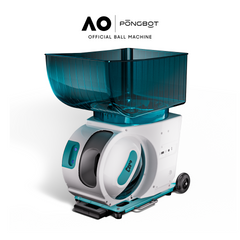
Easier version: Shadow the movement without a ball. When using a robot, the Omni S Series can provide alternating placements for controlled forehand and backhand practice.
Progress goal: Complete eight cycles while staying balanced.
The ITTF Foundation also uses simple partner exercises to develop controlled movement and coordination. Beginners can find examples in its basic table tennis skills handbook.
7. Beginner Serve Target Drill
Serve practice teaches placement and repeatable setup. Begin with legal, simple serves before learning more spin.
- Place a flat target in one service area.
- Use the same starting position each time.
- Serve ten balls toward the target zone.
- Count each serve reaching the correct area.
- Move the target and repeat.
Easier version: Use half of the table as your target.
Progress goal: Place five of ten serves correctly.
Players preparing for normal games should also follow the official table tennis service rules. These include starting with the ball on an open palm and tossing it upward before contact.
8. Cooperative Five-Shot Rally
This drill combines basic strokes without turning practice into a match. Both players work toward the same rally goal.
- Start with a simple serve or gentle feed.
- Return each ball toward the table center.
- Use controlled forehand and backhand drives.
- Count five total shots as one success.
- Reset calmly after every mistake.
Easier version: Allow one catch during the rally.
Progress goal: Complete five successful rallies in one session.
Practice Beginner Drills Alone

Beginners can practice touch, shadow movement, and serves alone. A robot provides consistent live-ball feeds.
- Use racket bounces to develop basic touch.
- Shadow forehand and backhand strokes near a mirror.
- Practice serves toward large target zones.
- Use fixed robot feeds for basic drive repetitions.
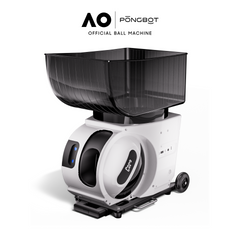
The Nova S Pro table tennis robot supports customizable drills in a portable design. Beginners should start with one placement and a comfortable feed.
If you are unsure which type of feeder suits a new player, compare an AI ping pong machine and a traditional robot before choosing.
Use this table tennis training equipment guide to compare helpful practice tools.
Follow This Four-Week Beginner Plan
This plan adds one new challenge each week. Repeat earlier skills during every session.
| Week | Main Focus | Practice Blocks | Goal |
|---|---|---|---|
| 1 | Touch and contact | Racket bounces, catch and return | Control the ball calmly |
| 2 | Basic drives | Forehand and backhand rallies | Reach ten returns |
| 3 | Push and movement | Backhand push, two-shot combination | Move before each stroke |
| 4 | Serve and rally | Target serves, five-shot rally | Connect skills in play |
Practice two or three short sessions each week. Repeat a week when the new skill still feels rushed. These solo table tennis training ideas can help players structure sessions when a partner is unavailable.
Common Beginner Practice Mistakes
Most beginner errors come from rushing or using movements that are too large. Slow practice makes correction easier.
- Holding too tightly: Relax your fingers between shots.
- Swinging too far: Use short movements for basic drives.
- Standing upright: Bend your knees and stay ready.
- Reaching sideways: Move your feet toward the ball.
- Hitting every ball hard: Build placement before power.
- Ignoring the backhand: Practice both sides equally.
- Starting random drills early: Master fixed patterns first.
Frequently Asked Questions
What should a table tennis beginner practice first?
A beginner should first practice ball control, ready position, forehand drives, and backhand drives. These skills create a base for longer rallies. Use slow feeds and large targets. Add pushes, footwork, and serves after basic contact becomes consistent. Avoid heavy spin and random placement during the first sessions.
Can beginners practice table tennis alone?
Yes. Beginners can practice racket bounces, shadow strokes, footwork, and serves alone. A playback table, rebound board, or robot can provide additional repetitions. Keep the setup slow and predictable. Practice one stroke or placement at a time. Add variation only after reaching a clear consistency goal.
How long should a beginner table tennis session last?
A focused beginner session can last 20 to 40 minutes. Divide it into short blocks for touch, strokes, movement, and serves. Rest when technique becomes rushed or uncomfortable. Two or three focused sessions each week can provide regular practice without making every session exhausting. Once the basics feel comfortable, USA Table Tennis' club finder can help you find structured coaching nearby.
How can beginners improve table tennis consistency?
Beginners improve consistency by slowing the feed and using repeatable targets. Count successful returns during each set. Keep strokes short and recover after every shot. Practice forehand and backhand control before adding wider movement. Increase only one challenge, such as speed or placement, at a time.
Is a table tennis robot suitable for beginners?
Use this table tennis training equipment guide to compare helpful practice tools.
Final Thoughts
Table tennis drills for beginners should feel controlled, simple, and measurable. Learn one movement at a time, count clean returns, and progress gradually.
For repeatable solo practice, use fixed robot feeds that match your current comfort level.
Related Products
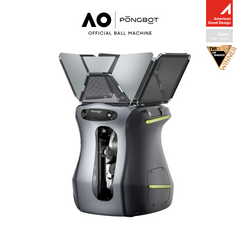
 Pongbot Aura AI Multi-Sport Robot Train across multiple sports with adaptable AI-powered practice modes. View Product
 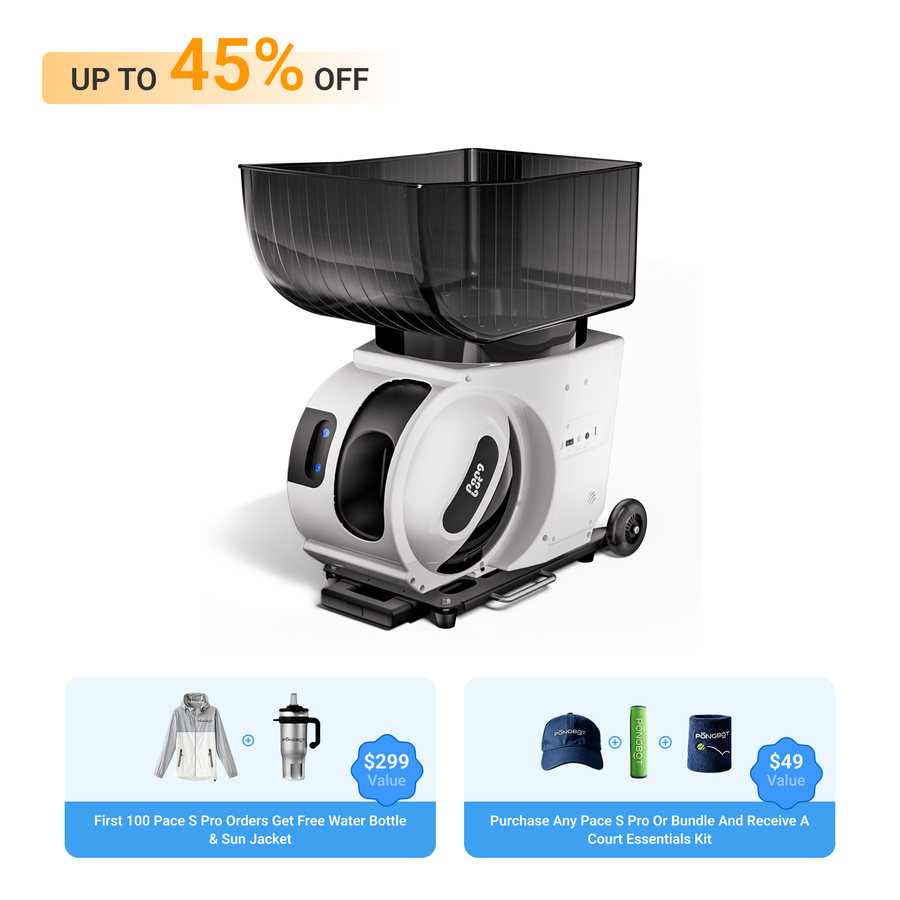 Pace S Pro Build advanced tennis sessions with an AI-powered ball machine. View Product
  Pace S Tennis Ball Machine Practice repeatable tennis drills with a smart solo training setup. View Product
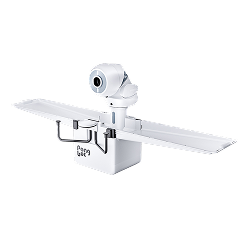
  Halo S Pro Practice table tennis with a floor-standing serving robot. View Product


