










Quick Tip: The best tennis volley drills build control before speed. Start with self-volleys and short partner feeds. Then add movement, targets, reaction volleys, and approach-shot patterns.
Good volleys depend on simple preparation, clean contact, and balanced footwork. The nine drills below cover each skill. You can use a partner, wall, or tennis ball machine.
- Keep the racket in front and use a short, controlled motion.
- Build accuracy with large targets before increasing the feed speed.
- Practice forehand and backhand volleys during every session.
- Add a split step before each feed to improve reaction time.
- Finish with approach and volley patterns that resemble real points.
Start With The Right Tennis Volley Technique
A reliable volley uses compact preparation and contact in front of the body. Your racket should stay visible and ready between shots.
The USTA beginner volley guide recommends a continental grip. It also advises contacting the ball beside your body rather than directly in front.
- Begin in a balanced ready position.
- Hold the racket head above your hands.
- Turn your shoulders instead of taking a large backswing.
- Meet the ball in front and slightly to the side.
- Step toward your target while keeping your head steady.
- Recover the racket to the middle after every volley.
Use a relaxed grip before contact, then firm it briefly. Avoid squeezing throughout the entire movement. Excess tension can reduce touch and slow your preparation.
Choose A Drill For Your Training Setup
You can improve your volleys with almost any practice setup. Choose drills based on your available space and training partner. If storage or transportation matters, compare your options in this portable tennis ball machine guide.
| Drill | Setup | Main Skill | Suggested Goal |
|---|---|---|---|
| Self-Volley Control | Solo | Racket feel | 30 clean touches |
| Wall Volley | Solo with wall | Compact contact | 20 in a row |
| Mini Volley Rally | Partner | Control | 25 in a row |
| Forehand-Backhand Alternation | Any | Recovery | 5 clean rounds |
| Target Volley | Any | Placement | 6 of 10 hits |
| Split-Step Reaction | Partner or machine | Footwork | 3 sets of 8 |
| Two-Volley Finish | Partner or machine | Closing the net | 3 sets of 6 |
| Rapid-Fire Volley | Partner or machine | Reactions | 3 sets of 20 seconds |
| Approach And Volley | Partner or machine | Point pattern | 10 complete patterns |
These goals are starting points, not fixed standards. Reduce the target when technique starts breaking down. Increase it after two clean rounds.
1. Self-Volley Control Drill
This beginner drill develops touch and racket-face awareness. It also provides a simple warm-up before harder feeds.
- Hold the racket around waist height.
- Tap the ball upward using the forehand side.
- Keep each touch only a few inches high.
- Complete ten touches, then use the backhand side.
- Finish by alternating racket sides.
Keep your wrist stable and your grip light. The ball should rise from a small lift, not a swinging motion.
2. Wall Volley Drill
A wall gives quick, repeatable feedback without needing another player. This drill rewards short preparation and a centered racket position.
- Stand about six feet from a solid practice wall.
- Mark a safe target above the net-height line.
- Volley softly and let the ball return directly.
- Alternate forehand and backhand contacts.
- Count consecutive clean volleys.
Move farther back if the rebound feels too fast. Use only a permitted practice wall. Check the area for people and fragile objects.
3. Mini Volley Rally
The mini rally teaches control through cooperative practice. Both players should prioritize clean contact over winning the exchange.
- Stand inside the service boxes, facing your partner.
- Begin with gentle feeds directly to each other.
- Keep the ball in the air without taking full swings.
- Aim for your partner's comfortable contact zone.
- Move back one step after ten clean volleys.
This is a cooperative training exercise rather than a standard point. Players who are still learning match play can review the official tennis scoring and rules guide.
Start with one bounce if continuous volleys feel difficult. Remove the bounce when both players can control the racket face.
4. Forehand And Backhand Alternation Drill
This drill trains fast recovery between both volley sides. It also prevents players from favoring only their stronger side.
- Begin near the service line in a ready position.
- Receive one forehand volley and one backhand volley.
- Return the racket to the center after each contact.
- Repeat five pairs without rushing the feed.
- Rest briefly, then complete five rounds.
A partner can hand-feed from the opposite service line. A programmable machine such as the Pace S tennis ball machine can alternate placements at a comfortable speed.
5. Target Volley Drill
Target practice turns stable technique into useful placement. Begin with large areas before aiming near the lines.
- Place two safe targets in the opposite service boxes.
- Volley five balls toward the crosscourt target.
- Volley five balls toward the down-the-line target.
- Score one point when the ball reaches either area.
- Try to beat your score without swinging harder.
Change direction through the racket angle and body position. Avoid flicking your wrist at the last moment.
6. Split-Step Reaction Drill
This drill connects your ready position with the first movement. The goal is to land balanced as the feeder sends the ball. Research comparing professional and junior players found that a proper split step measurably speeds up the first step toward the ball, which is what this drill is training.
- Start one step behind the service line.
- Move forward while watching the feeder.
- Make a small split step as the feed begins.
- Push toward the ball and hit a controlled volley.
- Recover before the next random feed.
Ask the feeder to vary forehand and backhand placements. Start slowly. The drill loses value if you guess before the feed.
7. Two-Volley Finish Drill
This pattern teaches you to close the net in stages. The first volley creates space, while the second attacks it.
- Begin near the service line.
- Play the first volley deep and controlled.
- Move forward while tracking the next ball.
- Split step before the second feed.
- Direct the second volley into the open target.
Do not run through the second shot. Get balanced before contact, then recover safely.
8. Rapid-Fire Volley Drill
Rapid feeds train compact reactions under pressure. Use this drill only after you can control slower volleys.
- Stand in a balanced position near the service line.
- Receive controlled feeds around your body.
- Block each ball toward the middle of the court.
- Keep the racket movement short and quiet.
- Work for 20 seconds, then rest for 40 seconds.
Complete three rounds. Lower the speed if your racket starts moving behind your body.
9. Approach And Volley Drill
This drill connects baseline play with a complete net attack. It provides the most realistic pattern in this list.
- Start near the baseline in a ready position.
- Hit a controlled approach shot from a shorter feed.
- Move forward and split step before the next ball.
- Place the first volley deep into open court.
- Recover for a second volley or overhead.
Alternate approach shots from both sides. For more baseline work, use these tennis forehand drills before adding the volley pattern.
Practice Volleys With A Ball Machine

A ball machine gives consistent feeds for repetition and target practice. It works well for alternating volleys, reactions, and approach patterns.
Start with a comfortable speed and generous interval. Position the machine safely beyond the opposite baseline. Test every setting before moving closer. Players choosing a machine can also compare tested models in these tennis ball machine reviews.
- Control block: Send ten balls toward one comfortable volley zone.
- Alternating block: Use two placements for forehand and backhand volleys.
- Movement block: Mix deeper feeds with shorter approach balls.
- Pressure block: Shorten the interval while keeping the same targets.
The Pace S Pro tennis ball machine supports custom drills and full-court placement. Its adjustable feed interval runs from 1.5 to 12 seconds. These controls can create progressive volley sequences.
Players comparing machine features can read the advanced tennis ball machine guide. Keep your settings appropriate for your current control level.
Follow This 30-Minute Volley Practice Plan
A short session works best when each block has one clear goal. This plan moves from technique to point-like patterns.
| Time | Practice Block | Focus |
|---|---|---|
| 5 minutes | Self-volley or mini rally | Touch and warm-up |
| 7 minutes | Forehand-backhand alternation | Recovery position |
| 7 minutes | Target volleys | Direction and depth |
| 6 minutes | Split-step reaction | First movement |
| 5 minutes | Approach and volley | Match pattern |
Record your target hits and clean repetitions. Increase only one challenge per session. Change speed, placement, movement, or interval, but not all four.
Fix These Common Volley Mistakes
Most volley errors come from excessive movement or poor preparation. Use the ball's pace instead of trying to create everything yourself.
- Large backswing: Start with the racket farther forward.
- Loose racket face: Keep the wrist stable through contact.
- Contact beside the hip: Prepare earlier and meet the ball ahead.
- Flat feet: Add a small split step before each feed.
- Watching the target early: Keep your eyes near the contact point.
- Standing too close: Begin near the service line and advance gradually.
- Practicing only one side: Alternate forehand and backhand repetitions.
Film a short set from the side when possible. Check your starting racket position, contact point, and recovery.
Frequently Asked Questions
How can beginners practice tennis volleys?
Beginners should start with self-volleys, gentle wall practice, and short partner feeds. Keep the racket in front and use a continental grip. Aim toward a large central target instead of the sidelines. Once you can make ten controlled contacts, add alternating forehand and backhand feeds. Speed should come later.
Can I practice tennis volleys alone?
Yes. You can practice alone with a wall, self-volley drill, or tennis ball machine. A wall develops compact reactions and control. A machine adds repeatable speed, spin, placement, and movement patterns. Choose a safe practice area and begin with slow feeds. Count clean repetitions instead of hitting every ball hard.
Where should I stand when practicing volleys?
Start near the service line when learning or facing faster feeds. This gives you more reaction time. Move closer after your contact becomes stable. During point-pattern drills, play the first volley around the service line. Then move forward for the finishing volley. Avoid standing directly on top of the net.
Should I use the same grip for both volleys?
The continental grip works for both forehand and backhand volleys. Using one grip reduces unnecessary changes during fast exchanges. It also supports a stable racket face on either side. Some advanced players make small adjustments for special shots. Beginners should first build control with one consistent grip.
How often should I practice tennis volleys?
Two or three short weekly sessions can provide useful repetition for many players. Your ideal schedule depends on fitness, goals, and total court time. Focus on clean technique and stop when fatigue changes your movement. A focused 20-minute block can be more useful than a long session with careless swings.
Final Thoughts
Tennis volley drills work best as a clear progression. Build touch first, then add direction, movement, speed, and point patterns. Track clean contacts and target hits each week.
For repeatable solo feeds, explore the Pace S Pro and create a sequence for your current level.
Related Products
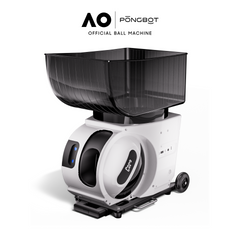
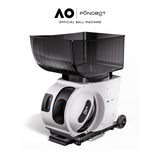
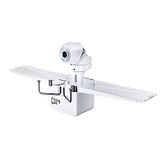
 Pace S Tennis Ball Machine Practice consistent volley patterns with a smart solo training setup. View Product
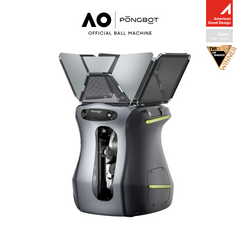
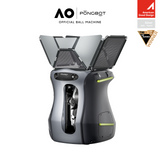
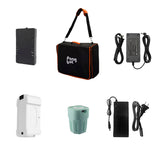
  Pongbot Aura AI Multi-Sport Robot Train across multiple sports with adaptable AI-powered practice modes. View Product
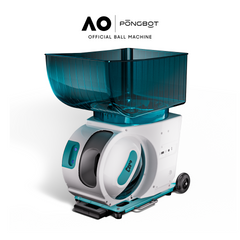
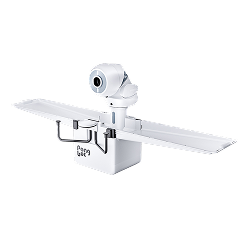
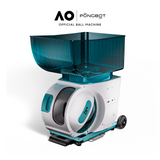
 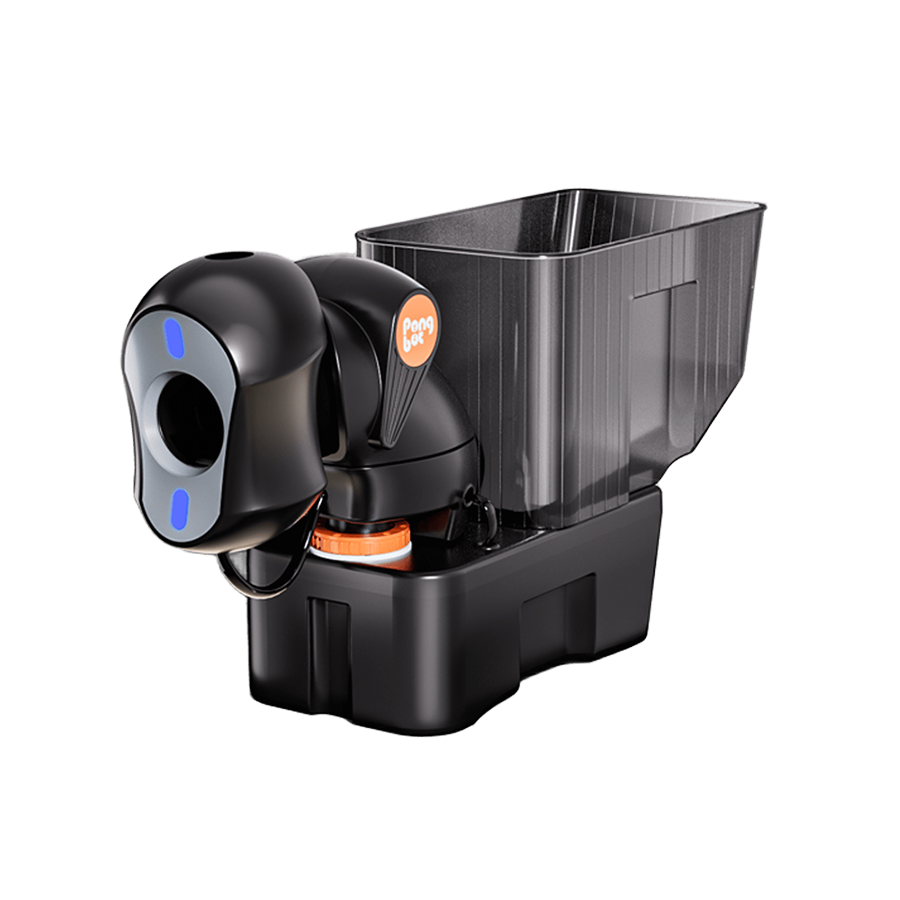 Nova S Pro Build repeatable table tennis drills with a portable serving robot. View Product


