










Quick Tip: The best table tennis drills isolate one skill before adding movement and decisions. Start with ball control, drives, and pushes. Then practice footwork, serves, returns, placement, and match patterns.
Good practice needs more than hitting without a goal. These drills include clear setups, targets, and easier variations.
You can use a partner, train alone, or add a table tennis training robot for repeatable feeds.
- Build control before increasing speed, spin, or placement difficulty.
- Practice forehand, backhand, footwork, serves, and returns each week.
- Use measurable targets instead of repeating strokes without feedback.
- Add random feeds only after fixed patterns feel consistent.
- Finish practice with serve-and-third-ball or open-rally points.
Choose The Right Table Tennis Drill For Your Goal
Each drill should solve one clear problem. Choose accuracy drills for control and movement drills for recovery.
| Drill | Main Skill | Setup | Starting Goal |
|---|---|---|---|
| Racket Bounce Control | Touch | Solo | 30 clean bounces |
| Forehand Drive | Consistency | Partner or robot | 20 returns |
| Backhand Drive | Compact contact | Partner or robot | 20 returns |
| Forehand-Backhand Switch | Recovery | Partner or robot | 10 full cycles |
| Push Control | Backspin control | Partner or robot | 15 low returns |
| Two-Point Footwork | Side movement | Partner or robot | 3 sets of 30 seconds |
| Serve Placement | Accuracy | Solo | 6 of 10 serves |
| Serve And Third Ball | Point pattern | Partner | 10 complete patterns |
| Block And Counter | Reactions | Partner or robot | 15 controlled blocks |
| Random Placement | Decision-making | Partner or robot | 3 sets of 12 balls |
1. Racket Bounce Control Drill
This drill develops touch and helps beginners understand racket angle. It also works as a quick warm-up.
- Hold the racket around waist height.
- Bounce the ball gently on the forehand side.
- Keep every bounce below eye level.
- Complete ten bounces using the backhand side.
- Finish by alternating racket sides.
Keep your hand relaxed and the racket face steady. Advanced players can walk while maintaining control.
2. Forehand Drive Consistency Drill
The forehand drive drill builds a repeatable stroke against light topspin. Accuracy matters more than power.
- Ask your partner to block toward your forehand corner.
- Stand balanced with your knees slightly bent.
- Rotate your waist and guide the ball forward.
- Recover before your partner's next block.
- Count consecutive returns landing on the table.
Begin crosscourt because it offers more table length. You can then add diagonal and down-the-line patterns, similar to the progressions shown in this ITTF practice session.
3. Backhand Drive Consistency Drill
This drill builds a short backhand stroke and quick recovery. Keep your elbow comfortably ahead of your body.
- Receive steady balls toward your backhand half.
- Start with the racket near your center.
- Move forward with a compact forearm action.
- Contact the ball in front of your body.
- Return to neutral after every shot.
Avoid lifting your elbow too high. Use a slow feed until the racket path stays consistent.
4. Forehand And Backhand Switch Drill
This pattern connects both basic drives. It teaches recovery after changing sides.
- Play one backhand drive from the backhand corner.
- Move and play one forehand from the middle.
- Return immediately to the backhand position.
- Repeat the two-ball pattern ten times.
- Change directions with your partner afterward.
Move your feet before starting the stroke. Reaching sideways often causes late and unstable contact.
5. Push Control Drill
The push drill improves control against backspin. It also prepares you for short serve returns.
- Begin with backhand pushes across the diagonal.
- Keep the racket slightly open.
- Guide the ball forward with a short action.
- Aim for a low path over the net.
- Add forehand pushes after 15 clean returns.
Do not chop downward with a large swing. Adjust the racket angle based on the incoming spin.
6. Two-Point Footwork Drill
This drill improves side-to-side movement and recovery. The stroke should remain stable while your feet work.
- Receive alternating balls to two fixed positions.
- Use small side steps between each shot.
- Keep your body low and balanced.
- Return toward the middle after every contact.
- Work for 30 seconds, then rest.
Complete three sets. Keep the feed predictable until your footwork, stroke timing, and recovery remain consistent.
7. Serve Placement Drill
Solo serve practice builds accuracy without needing a partner. Use targets for immediate feedback.
- Mark short forehand, short backhand, and deep zones.
- Serve ten balls toward the first target.
- Record how many reach the correct zone.
- Repeat for every target area.
- Change spin only after placement becomes reliable.
Practice from your normal match position. If you are preparing for competition, review the official table tennis service rules before building your routine.
8. Serve And Third-Ball Drill
This drill connects your serve with the next attacking shot. It gives practice a clear match purpose.
- Serve short backspin toward your partner.
- Ask for a controlled push toward one zone.
- Attack the return with a forehand topspin.
- Continue the rally for three more shots.
- Switch roles after ten serves.
Start with a predictable return. Let your partner vary placement once the pattern feels controlled.
9. Block And Counter Drill
The block drill teaches control against faster topspin. Use the incoming pace instead of taking a large swing.
- Ask your partner to play steady forehand topspins.
- Hold the racket in front of your body.
- Block toward one large target area.
- Recover the racket after every contact.
- Add one counterattack after five blocks.
Close the racket angle against heavier topspin. Reduce the feed if your blocks repeatedly leave the table.
10. Random Placement Drill
This advanced drill adds reading, movement, and shot selection. Use it after fixed patterns become consistent.
- Begin with random feeds to two table zones.
- Identify the ball before moving.
- Use a forehand or backhand based on placement.
- Recover toward a useful neutral position.
- Play 12 balls, then review your errors.
Add spin variation only after placement feels manageable. Too much randomness can hide basic technique problems. An AI table tennis robot can help advanced players progress from fixed patterns to responsive drills.
Practice Table Tennis Drills Alone

Solo practice works well for serves, touch, shadow footwork, and target training. A robot adds repeatable live-ball feeds.
- No table needed: Practice racket bounces and shadow footwork.
- Table only: Practice serves and rebound-board control.
- Robot setup: Practice fixed placement before adding oscillation.
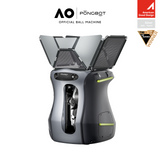
- Advanced robot setup: Use a programmable system such as the Halo S Pro to build serve-return and random placement patterns.
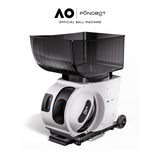
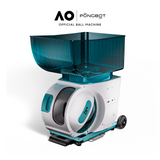
The Nova S Pro offers customizable drills in a portable format. The Omni S Series adds full-table oscillation and deeper programming options.
If you are unsure which training system fits your routine, compare an AI ping pong machine and a traditional robot before choosing.
Review this table tennis training equipment guide for balls, targets, nets, and other practice tools.
Use This 30-Minute Practice Plan
A balanced session should include control, movement, and a match pattern. Keep each block focused.
| Time | Practice Block | Goal |
|---|---|---|
| 5 minutes | Racket control and drives | Warm-up and clean contact |
| 7 minutes | Forehand-backhand switch | Recovery between strokes |
| 6 minutes | Push or block practice | Spin control |
| 5 minutes | Serve targets | Placement |
| 7 minutes | Serve and third ball | Match pattern |
Record one result from every block. Track rally length, target hits, or completed patterns.
Common Table Tennis Practice Mistakes
Practice becomes less useful when speed replaces control. Keep each drill connected to a specific skill.
- Hitting too hard: Lower the pace until placement becomes stable.
- Standing still: Recover after every shot, including fixed feeds.
- Ignoring serves: Reserve time for placement and spin each session.
- Changing everything: Adjust only one variable at a time.
- Skipping weak strokes: Give extra practice to your less reliable side.
- Using only fixed drills: Add choices after learning the basic pattern.
- Never tracking results: Count clean returns or successful target hits.
Frequently Asked Questions
What are the best table tennis drills for beginners?
Beginners should practice racket bounces, forehand drives, backhand drives, pushes, and basic footwork. These drills build touch, control, and recovery. Start with predictable feeds and large target areas. Count clean returns instead of hitting at full speed. Add serves and simple two-shot patterns after both drive strokes feel stable.
Can I practice table tennis alone?
Yes. You can practice serves, racket control, shadow strokes, and footwork alone. A rebound board or table tennis robot adds live-ball repetitions. Begin with one placement and comfortable speed. Then add a second location, spin variation, or shorter intervals. Change only one setting at a time so you can identify improvement.
How long should a table tennis drill last?
Most focused drill blocks can last five to ten minutes. Shorter blocks help players maintain attention and clean technique. You can also use sets based on balls or repetitions. Stop early when fatigue changes your movement or stroke. Rest briefly, review the goal, and begin another controlled set.
How often should I practice table tennis?
Many recreational players benefit from two or three focused sessions each week. The right schedule depends on fitness, goals, and available recovery. Short, consistent sessions often work better than rare, exhausting practices. Include technique, footwork, serves, and point patterns across the week. Reduce the workload when soreness affects normal movement.
Are table tennis robots useful for drills?
Table tennis robots are useful for repeatable feeds, placement work, and solo practice. They let you control speed, spin, frequency, and landing areas. Compare the best table tennis robots based on your space, skill level, and preferred drills. Robots do not replace serve reading or human decision-making, so combine robot repetitions with partner drills and match play.
Final Thoughts
Table tennis drills should progress from control to movement and match decisions. Choose one goal, measure each set, and increase difficulty gradually.
For repeatable solo feeds, compare Pongbot's table tennis robots and select the setup that fits your space and level.
Related Products
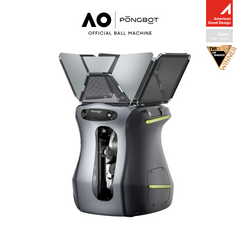
 Pongbot Aura AI Multi-Sport Robot Train across multiple sports with adaptable AI-powered practice modes. View Product
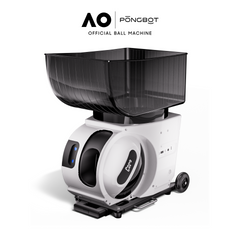
 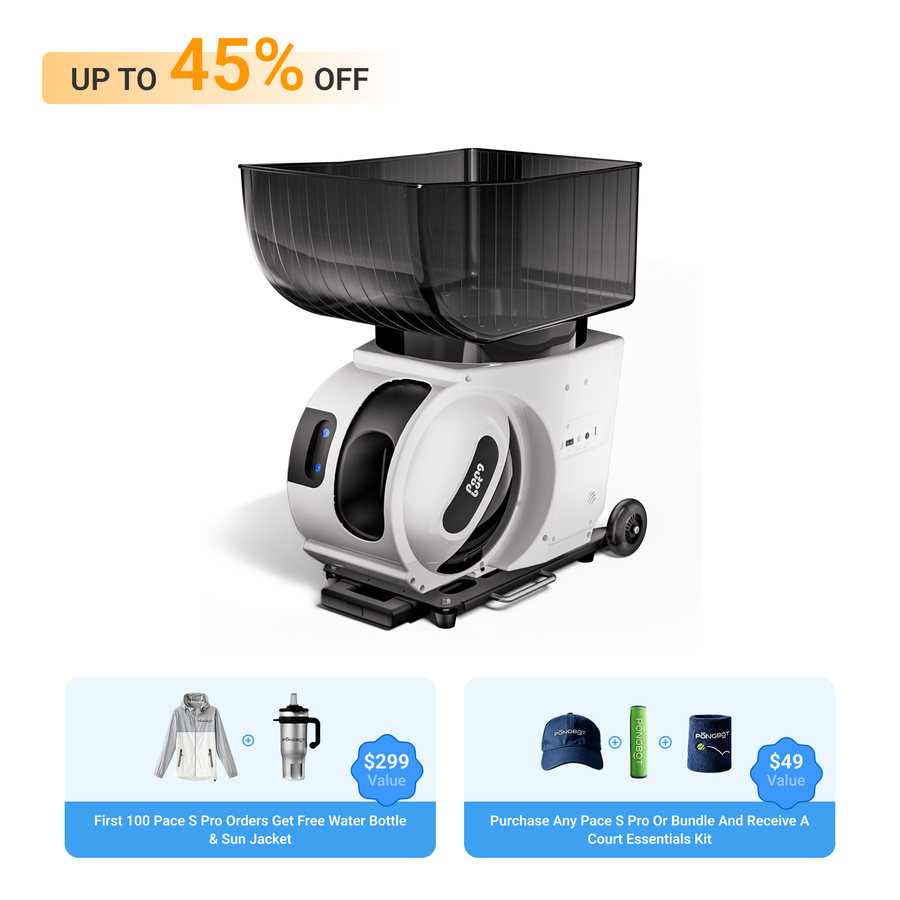 Pace S Pro Build advanced tennis sessions with an AI-powered ball machine. View Product
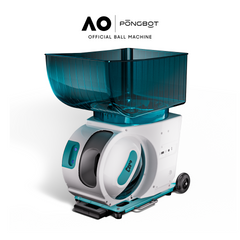
  Pace S Tennis Ball Machine Practice repeatable tennis drills with a smart solo training setup. View Product
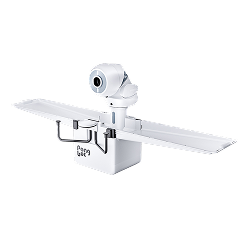
 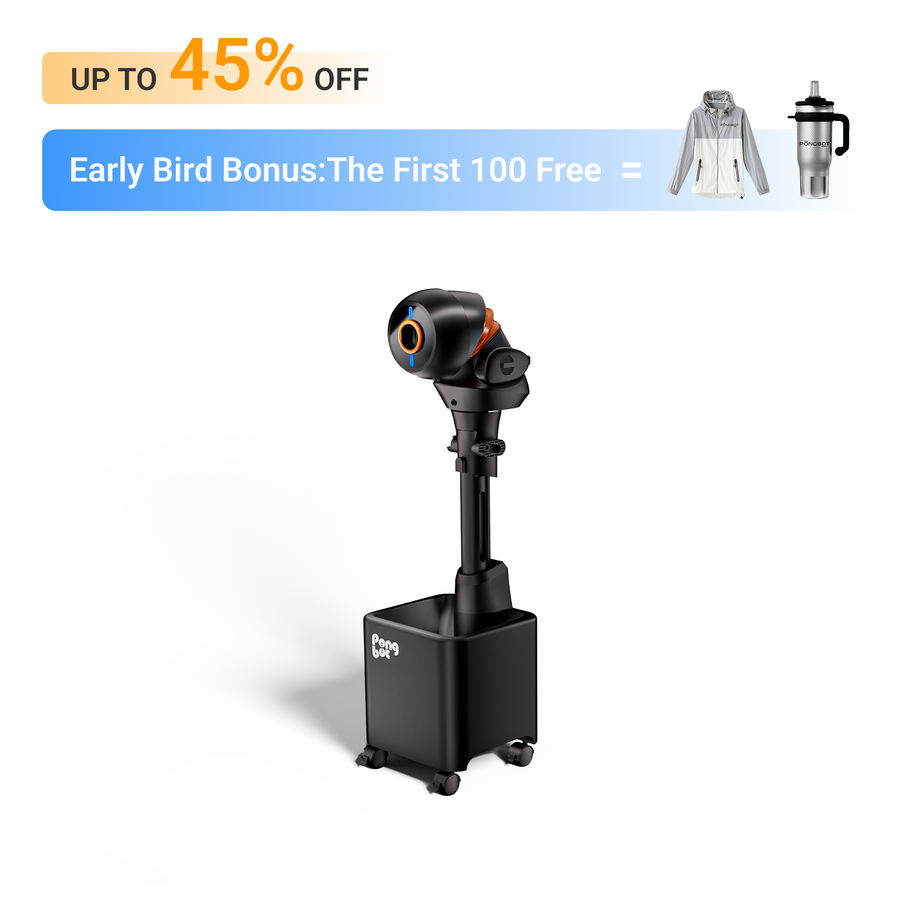 Halo S Pro Practice table tennis with a floor-standing serving robot. View Product
Keep Reading


