










Quick Tip: Multiball training uses repeated feeds from a coach, partner, or robot. It isolates strokes, footwork, spin responses, and point patterns without requiring a continuous rally.
Effective multiball training with a table tennis training robot starts with a clear goal and controlled feed.
This guide explains the setup, feeding method, eight drills, and a complete practice session.
- Choose one technical or movement goal before starting each basket.
- Match the feed speed and spin to the player's current control.
- Use fixed placement before progressing to patterns or random feeds.
- Keep work periods short enough to protect stroke quality.
- Combine multiball repetitions with serves, rallies, and match play.
What Is Multiball Training
Multiball training means feeding several balls in sequence to one player. The feeder does not return the player's shot.
This method removes gaps caused by rally errors. It lets the feeder control placement, speed, spin, and rhythm.
The ITTF demonstrates structured multiball patterns that combine fixed placements, movement, and controlled progression in this official table tennis training session.
Multiball does not replace normal rallies. It works best for isolating a weakness before testing it against live returns.
Skills Multiball Training Can Improve
Multiball can target one technical detail or combine several match skills. The feed design determines the training result.
- Stroke consistency: Repeated feeds provide more chances to rehearse the same movement.
- Placement: Fixed targets help players connect racket angle with ball direction.
- Footwork: Planned locations create repeatable side-step and recovery patterns.
- Reaction: Shorter intervals challenge preparation and the first movement.
- Spin response: Topspin and backspin feeds isolate racket-angle adjustments.
- Point patterns: Short and long feeds can copy serve-return sequences.
- Physical conditioning: Longer movement sets can increase training intensity.
Train technique before conditioning. Faster feeding has little value when the intended movement disappears.
Research has also examined how repeated table tennis multiball training affects movement and balance. One published study found changes in dynamic postural control following multiball training.
Coach Feeding And Robot Feeding Compared

Both methods provide repeated balls, but they offer different training feedback. Choose the method that matches the drill.
| Factor | Coach Or Partner | Table Tennis Robot |
|---|---|---|
| Feed consistency | Varies naturally | Highly repeatable |
| Instant adjustment | Easy during the set | Requires setting changes |
| Technical feedback | Available from a skilled feeder | Player reviews independently |
| Solo practice | Not available | Available anytime |
| Random variation | Natural and responsive | Programmed by the user |
| Best use | Coaching and decision work | Repetition and custom patterns |
A coach can change the next feed after seeing your movement. A robot provides the same sequence repeatedly for focused correction. This guide comparing an AI ping pong machine and a traditional robot explains how their programming and practice options differ.
Organize Multiball For Pairs And Groups
Multiball can work in pairs, small groups, or coached sessions. Clear roles keep everyone active.
- Two players: One feeds while the other completes the drill.
- Three players: One feeds, one trains, and one collects balls.
- Four players: Add an observer who records targets or technique notes.
- Coach station: Rotate players after each short set or basket.
Switch roles regularly. Learning to feed can improve understanding of spin, placement, and drill design.
Set Up A Safe Multiball Station
A good station keeps balls within easy reach and reduces unnecessary delays. Leave enough space behind the player.
- Prepare a basket or container with enough clean balls.
- Place the container beside the feeder's non-playing hand.
- Clear loose balls from the player's movement area.
- Use a collection net when available.
- Agree on the pattern before the first feed.
- Set a clear stop signal for both people.
Feed Multiball With Better Control
The feeder should copy a realistic ball path without making every feed difficult. Stable rhythm helps the player repeat the intended movement.
- Hold several balls in the non-playing hand.
- Drop or toss one ball near the racket.
- Brush or strike it toward the planned location.
- Use a low drop when creating backspin feeds.
- Watch the player instead of staring at the basket.
- Match the feed rhythm to the player's recovery.
- Pause when technique starts changing.
Practice feeding before running intense drills. Start with one placement and a generous interval. Add realistic spin only after the feeder controls direction.
Hold several balls at once when the rhythm becomes comfortable. Picking up one ball per feed can create unnecessary gaps.
1. Fixed Forehand Drive Drill
This drill builds a repeatable forehand stroke. Feed every ball toward one comfortable contact zone.
- Feed ten slow balls with light topspin.
- Ask the player to return crosscourt.
- Keep the same rhythm throughout the set.
- Review balance and recovery after ten balls.
- Complete three controlled sets.
Progression: Add deeper placement or slightly more topspin. Do not change both together.
2. Fixed Backhand Drive Drill
This drill develops compact backhand contact and fast racket recovery. Keep the feed near the player's center.
- Feed ten balls toward the backhand half.
- Use a steady, comfortable interval.
- Aim each return toward one large target.
- Keep the racket in front after contact.
- Complete three sets with short rests.
Progression: Alternate deep and shorter backhand feeds while maintaining the same stroke shape.
3. Forehand And Backhand Switching Drill
This two-point pattern connects both basic strokes. It also trains recovery after changing direction.
- Feed one ball toward the backhand position.
- Feed the next ball toward the forehand position.
- Repeat the pattern for twelve balls.
- Ask the player to recover toward neutral.
- Complete three sets at controlled speed.
Progression: Add one unexpected repeat to either side. The player must read the feed before moving.
4. Forehand Footwork Drill
This drill uses forehand strokes from two or three positions. The player's feet should move before each swing.
- Feed one ball toward the forehand corner.
- Send the next ball toward the middle.
- Repeat both placements for ten balls.
- Keep the rhythm manageable and even.
- Rest before adding another set.
Progression: Add a wide forehand as the third location. Reduce speed when balance starts breaking down.
5. Push And Open Drill
This pattern practices the change from backspin control to topspin attack. It resembles a common early rally sequence.
- Feed one short backspin ball for a push.
- Feed one longer backspin ball afterward.
- Ask the player to open with topspin.
- Repeat the two-ball pattern five times.
- Switch forehand and backhand starting locations.
Progression: Vary the second ball's placement after the player reads backspin reliably.
6. Block And Counter Drill
This drill trains control against topspin before adding a counterattack. Start with a predictable feed.
- Feed three topspin balls toward one side.
- Ask the player to block each ball.
- Feed a fourth ball at comfortable height.
- Use that ball for a controlled counterattack.
- Repeat the pattern five times.
Progression: Change the counterattack ball's location while keeping the block feeds fixed.
7. Wide Recovery Drill
This movement drill teaches recovery after a stretched shot. Use fewer balls and longer rests than technical sets.
- Feed one ball wide to the forehand.
- Send the next ball toward the backhand.
- Ask the player to recover between shots.
- Repeat for eight total feeds.
- Rest fully before the next set.
Progression: Add a middle ball after the wide feed. Keep the pattern controlled and safe.
8. Random Decision Drill
Random feeds test recognition and movement after fixed patterns become reliable. They should not feel completely chaotic.
- Choose two possible landing zones.
- Feed randomly between those zones.
- Let the player select forehand or backhand.
- Stop after twelve balls.
- Review positioning and shot choices.
Progression: Add a third location or second spin. Never add both during the same set.
Use A Robot For Multiball Practice
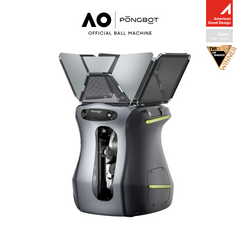
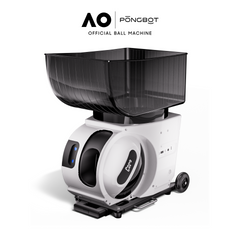
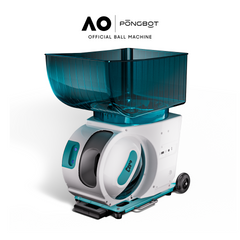
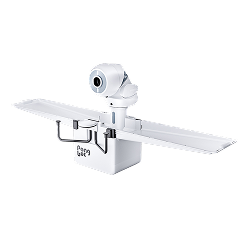
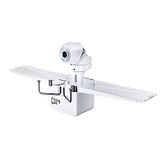
A table tennis robot can repeat fixed feeds and programmed sequences. It is useful when a coach or partner is unavailable.
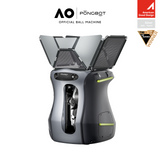
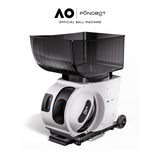
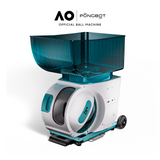
The Nova S Pro offers customizable drills in a portable format. The Omni S Series supports full-table oscillation and custom routines.
- Begin with one ball type and one landing area.
- Test the complete sequence before starting the set.
- Use visible targets for placement feedback.
- Record clean returns instead of total feeds.
- Stop the machine before collecting loose balls.
For baskets, nets, and collection tools, see the table tennis training equipment guide.
Follow This 30-Minute Multiball Session
A balanced session moves from stable technique to movement and decisions. Rest periods protect stroke quality.
| Time | Block | Focus |
|---|---|---|
| 5 minutes | Warm-up feeds | Comfortable forehand and backhand |
| 7 minutes | Fixed technical drill | One stroke correction |
| 6 minutes | Two-point pattern | Footwork and recovery |
| 5 minutes | Push and open | Spin transition |
| 4 minutes | Random decision drill | Reading and choice |
| 3 minutes | Review and cooldown | Notes and easy rallies |
Use several short sets inside each block. The right ball count depends on skill, intensity, and movement demand.
Common Multiball Training Mistakes
Multiball loses value when feed volume becomes more important than technique. Quality should guide every set.
- Feeding too quickly: Wait for recovery before sending another ball.
- Using unrealistic balls: Copy useful match heights, speeds, and spins.
- Changing several variables: Adjust one challenge at a time.
- Ignoring feedback: Pause and correct one visible problem.
- Running long sets: Rest before fatigue changes the stroke.
- Skipping live play: Test the trained skill during rallies afterward.
- Loose balls underfoot: Stop and clear the movement area.
Frequently Asked Questions
What is multiball training in table tennis?
Multiball training uses repeated balls fed by a coach, partner, or robot. The feeder does not return the player's shot. This setup isolates a stroke, movement pattern, spin response, or point sequence. It also reduces breaks caused by rally mistakes. Players should still combine multiball with serves, live rallies, and match play.
Is multiball training suitable for beginners?
Yes. Beginners can use slow multiball feeds for forehand drives, backhand drives, and simple movement. Start with one landing area and little spin. Keep each set short and allow full recovery. Add a second placement only after the basic stroke stays controlled. A coach should prioritize clear technique over feed volume.
How many balls should a multiball set include?
There is no single correct number for every player. A technical set might use ten to twenty controlled feeds. A demanding movement drill may need fewer balls and longer rest. End the set when balance or stroke quality changes. Plan the workload around skill, fitness, drill intensity, and the session's main goal.
Can a table tennis robot replace multiball feeding?
A robot can handle many fixed and programmed multiball drills. It gives consistent speed, spin, placement, and timing for solo practice. This guide to structured solo training with a robot explains how repeatable feeds can support practice without a partner. A skilled human feeder can respond instantly and provide coaching feedback, so partner drills and matches still matter.
How often should players do multiball training?
Frequency depends on the player's schedule, goals, and recovery. Many players can add one or two focused multiball blocks each week. Keep the work balanced with serves, receive practice, rallies, and matches. Reduce frequency or intensity when fatigue affects normal technique. A coach can adjust the plan for competitive training.
Final Thoughts
Multiball training for table tennis works best with a clear purpose and controlled progression. Start with fixed feeds, measure clean returns, and add movement gradually.
Use coach feeding for responsive instruction or a robot for repeatable solo practice.
Related Products
 Table Tennis Ball Picker Collect loose balls faster between high-volume training sets. View Product
  Table Tennis Ball Collection Net Keep balls contained during repeated robot drills. View Product
  Pace S Tennis Ball Machine Practice repeatable tennis drills with a smart solo training setup. View Product
 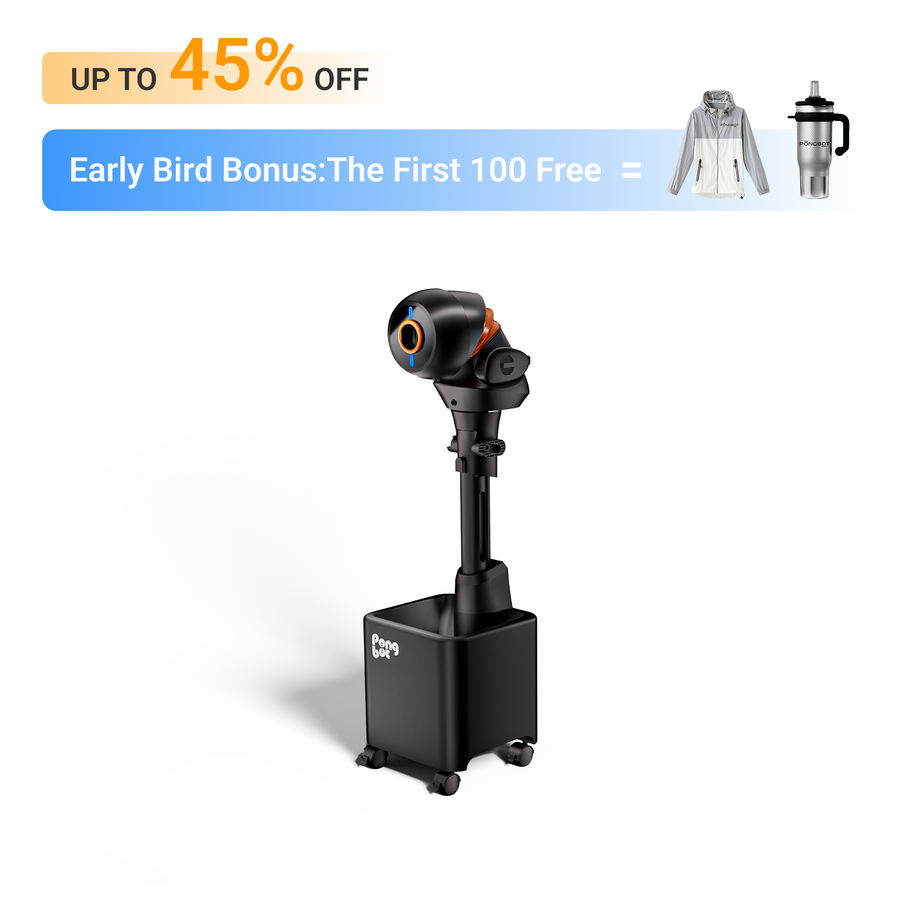 Halo S Pro Practice table tennis with a floor-standing serving robot. View Product


