










Menopause can bring changes in energy, sleep, mood, and skin. For many women, it is also an opportunity to rethink what feeling healthy and confident means at this stage of life.
Staying active can be an important part of that journey. Whether it means walking with friends, playing tennis, enjoying table tennis, or joining a pickleball league, regular movement offers a way to maintain physical fitness while continuing to enjoy the activities that make life rewarding.
For women who love racquet sports, the goal doesn't have to be training harder every day. It can be finding enjoyable, sustainable ways to keep moving, develop skills, and stay connected with the game.
The key idea: Consistent movement can support overall well-being during menopause. Pairing physical activity with enjoyable hobbies may also make it easier to maintain an active routine over time.
Why Movement Matters During Menopause
Hormonal changes during menopause can affect several aspects of health, including skin appearance, muscle maintenance, sleep, and emotional well-being. Although exercise cannot prevent every change associated with aging or hormonal shifts, staying physically active is an important part of a balanced approach to health.
Regular movement can support cardiovascular health, help maintain strength, and contribute to stress management. It may also support better sleep and a greater sense of well-being for some people.
Skin health is more complex. Genetics, hormonal changes, sun exposure, hydration, nutrition, and skincare habits can all play a role. Exercise is not a guaranteed way to restore collagen or reverse menopause-related skin changes, but it can be one useful part of a broader self-care routine.
Racquet Sports Make Staying Active More Enjoyable
One of the most effective ways to build a lasting exercise habit is to choose an activity you genuinely enjoy. Racquet sports combine movement with coordination, decision-making, and opportunities to connect with other players.
Tennis
Practice serves, groundstrokes, footwork, and court positioning. Players can adjust the intensity of their sessions to suit their current goals and fitness levels.
Pickleball
Work on touch, placement, reaction time, and movement around the kitchen line while enjoying a sport that can be played socially or competitively.
Table Tennis
Develop hand-eye coordination, timing, anticipation, and quick reactions in a compact playing environment.
Social Play
Local clubs and recreational leagues provide opportunities to meet people, maintain a routine, and make exercise something to look forward to.
There is no single best sport for every woman. The right choice is one that feels enjoyable, accessible, and appropriate for your abilities. Start at a comfortable level, build gradually, and seek professional guidance if you have health concerns that affect exercise.
How Smart Training Equipment Can Help
Finding a practice partner is not always easy. Work schedules, court availability, and differences in playing ability can make consistent training difficult. Smart ball machines offer another way to practise when a partner is unavailable.
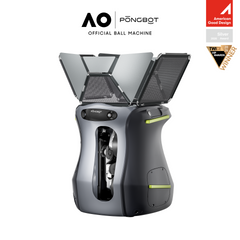
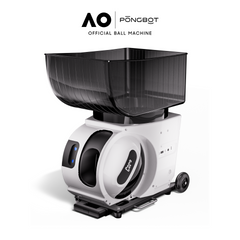
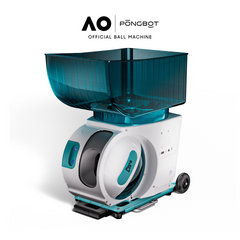
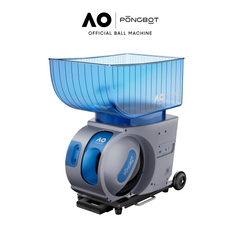
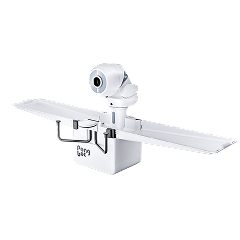
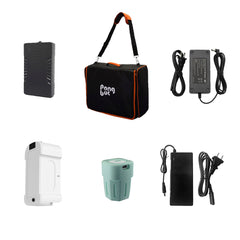
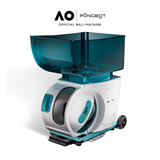
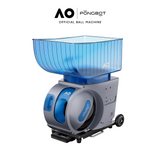
Pongbot develops training robots for racquet sports, with features that vary by model. Depending on the system, players can adjust ball speed, spin, placement, and feed timing, or choose from programmed drills rather than arranging every practice session manually.
For active women balancing work, family, and personal interests, this kind of flexibility can make it easier to fit purposeful practice into a busy schedule.
Five Ways Pongbot Can Support a More Flexible Practice Routine
Training That Adapts to Your Goals
Selected Pongbot models use player tracking and AI-supported features to make practice more responsive to movement. Players can also choose drills and settings that match their current abilities and training objectives.
More Variety in Every Session
Changing ball placement, speed, spin, and timing can help players practise different shots and movement patterns instead of repeating one predictable feed.
Drills You Can Personalize
Depending on the model, app-based controls and custom drill settings allow players to emphasize consistency, footwork, reaction time, or particular shots they want to improve.
A Library of Practice Ideas
Many Pongbot systems include extensive preset drill libraries. These provide a convenient starting point for players who want variety without planning every session from scratch.
Practice on Your Own Schedule
A ball machine can provide repeatable feeds without requiring another player to be available. That makes it easier to work on specific skills during a solo session.
Training Is About More Than Performance
Not every session needs to be intense or focused on competition. Some days may be about improving footwork; others may be about enjoying a few rallies, learning a new shot, or simply getting out on the court.
Smart training equipment can help structure practice, but it is only one part of the experience. Rest, recovery, social connection, and choosing a manageable level of activity remain important.
The most useful routine is one you can sustain and enjoy.
For Women Who Want to Keep Competing
Many women continue to play in local leagues and tournaments throughout midlife and beyond. For these players, structured practice can help maintain consistency and prepare for the demands of match play.
Some advanced Pongbot models offer features designed for more demanding training sessions, including fast ball delivery, varied spin, full-court placement, movement tracking, and extensive drill options.
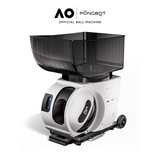
For example, the Pongbot Pace S Pro is designed for tennis practice, with movement-tracking features, customizable drills, and adjustable ball delivery. Players looking for multi-sport training can also explore the Pongbot Aura, which supports tennis, pickleball, and padel.
The right equipment depends on your sport, playing level, available space, and preferred style of practice. A more advanced machine is not automatically the best choice for every player.
Choosing the Right Training Approach
A useful practice plan starts with realistic goals. Rather than trying to improve everything at once, choose one or two areas to focus on and build from there.
- For consistency: Repeat manageable drills that help you develop reliable technique.
- For footwork: Include movement patterns and recovery between shots, adjusting the pace to your comfort level.
- For match preparation: Practise a wider range of placements and shot combinations that reflect the situations you encounter in games.
- For enjoyment: Mix structured drills with social play and sessions that simply help you stay engaged.
- For long-term well-being: Balance racquet sports with rest and other forms of movement suited to your needs.
If you are returning to exercise after a long break or have concerns about symptoms, injuries, or exercise intensity during menopause, a qualified healthcare professional can help you determine an appropriate approach.
Movement, Confidence, and Everyday Well-Being
Menopause does not mean giving up the sports and activities you love. It can be a chance to find new ways to stay active, adapt your routine, and make room for personal goals.
Regular movement can support physical health and emotional well-being, while racquet sports offer the added enjoyment of skill development, friendly competition, and community. Smart training equipment can make solo practice more convenient, but the real value comes from using it in a way that fits your life.
And while no training machine can promise better skin or reverse hormonal changes, building a sustainable, enjoyable approach to activity can be a meaningful part of caring for yourself at every stage of life.
Find Your Next Training Challenge
Whether you play tennis, pickleball, or table tennis, explore Pongbot training systems designed to help you practise with more flexibility and purpose.
Explore Pongbot Training RobotsSource: Celebrate Woman Today — Menopause Skin Loves Movement. Smart Training Makes It Even Better


