


Popular searches







PONGBOT PERFORMANCE
Pickleball Training Aids Train Smarter.
Intelligent training technology designed to make every practice session more precise, consistent and effective.
Smart Training
Precision Control
Built for Performance
Hide filter
Sort by:
Clear all
Aura
$799.99 USD
Unit price
Regular price
$1,699.99 USD
Sale price
per
Options


Aura
$599.99 USD - $849.99 USD
Unit price
per
53%
OFF
Pickleball training aids are the tools that let you build real reps between matches: rebounders for wall style drilling, spin trainers for stroke mechanics, ball machines for full point simulation, and the on court accessories that keep a practice session moving. Here is how the main categories of pickleball training equipment compare, and where PongBot's own AI training machine fits into that picture.
$20 to $300
Typical range for rebounders and spin trainers
$300 to $3,500+
Typical range for pickleball ball machines
40 to 80mm
Ball size range PongBot's Aura machine adjusts to
3 Types
Core categories: rebound, spin, and feed based aids
What Are Pickleball Training Aids?
Pickleball training aids are any piece of equipment built to help you practice specific shots or movement patterns without needing a full match, a court booking, or a second player. That covers a wide range of gear: wall mounted rebounders that bounce the ball back to you, spin trainers that isolate paddle angle and wrist motion, ball machines that feed a steady stream of shots, and support gear like ball hoppers that keep a solo session running without constant stops.
The common thread across all of it is repetition. A regular game might give you a handful of chances to hit a specific shot, while the right training equipment can turn that into dozens of reps in the same amount of time, which is what actually builds muscle memory.
Why Add Training Aids to Your Practice Routine
More Reps, Less Waiting
Instead of waiting for a partner to feed you the same third shot drop over and over, a training aid keeps the ball coming back so you can stay in a drilling rhythm.
Isolate One Skill at a Time
Rebounders and spin trainers are built to isolate a single mechanic, such as paddle angle or contact point, which is harder to do in a live rally where everything is moving at once.
Practice on Your Own Schedule
Most training aids work in a driveway, garage, or backyard, so you are not limited to open court time to put in a session.
Track Real Progress
Newer, sensor equipped training machines can log speed, placement, and consistency over time, giving you a clearer picture of whether a specific drill is actually working.
The Main Types of Pickleball Training Equipment
Most pickleball training equipment on the market falls into a few clear categories, and knowing the difference helps you buy the right tool for the skill you are actually trying to fix.
Rebounders and Practice Boards
A rebounder is a angled net or board that bounces the ball straight back at you after contact, which is useful for grooving dinks, volleys, and reset shots without chasing balls around the court.
Spin and Stroke Trainers
Devices like a topspin trainer isolate paddle face angle and swing path on a tethered ball, so you can repeat the same stroke dozens of times in a couple of minutes without a full court.
Ball Machines
A ball machine automates the feed itself, launching a stream of balls at a set speed, spin, and placement so you can drill full points rather than a single isolated motion.
On Court Accessories
Ball hoppers, pickers, and carry bags are not flashy, but they are what keeps a long solo session moving instead of stopping every few minutes to gather balls by hand.
Comparing Pickleball Training Aids
| Training Aid Type | Best For | Typical Price Range | Setup Space Needed |
|---|---|---|---|
| Rebounder net or board | Dinks, volleys, and resets against a wall style bounce | $50 to $200 | Driveway, garage, or small backyard |
| Spin or stroke trainer | Isolating paddle angle and topspin technique | $100 to $300 | A few square feet, indoor or outdoor |
| Entry level ball machine | Basic repeat feeds for beginners building consistency | $300 to $1,000 | Full or half court |
| App or AI powered ball machine | Full point simulation, oscillation, and programmable drills | $500 to $3,500+ | Full court |
| Ball hoppers and pickers | Keeping long sessions moving without manual ball collection | $30 to $80 | Any court |
Pickleball Training Machines: The AI Ball Machine Category
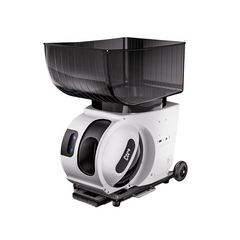
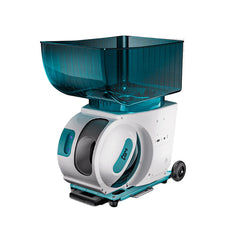
A pickleball training machine is the most complete tool in the category because it replicates an actual point instead of a single isolated motion, feeding shots at a chosen speed, spin, and placement so you can drill footwork and shot selection together.
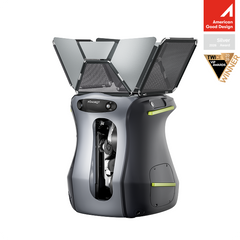
Most dedicated pickleball machines on the market are single sport units, built and priced around pickleball alone. PongBot takes a different approach with the Aura, an AI powered machine that reconfigures across tennis, pickleball, and padel from one chassis. A motorized wheel track adjusts to ball diameters from 40mm to 80mm to match each sport, and a detachable AI camera module called Spotter tracks shot trajectory and player positioning to adjust feed timing in real time, rather than running on a fixed loop. Aura is currently available through an introductory reservation ahead of its planned retail launch, so it is worth treating it as a newer entrant next to pickleball brands with a longer track record.
If your training goal is specifically pickleball and you never plan to use the machine for another sport, a dedicated single sport pickleball machine may still be the more established choice today. Aura's advantage is combining tennis, pickleball, and padel training into one machine at a lower entry price than most dedicated units.
Ball Retrieval and On Court Accessories
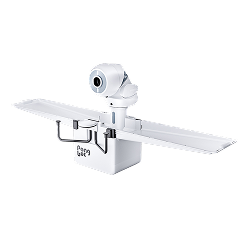
Ball machines and rebounders get most of the attention, but the accessory that actually speeds up a session is whatever gets balls off the ground and back into play. A dedicated ball picker built to work across tennis and pickleball lets you clear a court in seconds between drilling blocks instead of bending over for every stray ball, and it is one of the more practical, lower cost additions to a training setup. You can browse the rest of PongBot's accessories lineup for carry bags, hoppers, and other on court gear.
Buyer's Guide: Matching Training Aids to Your Goal
Fixing One Specific Shot
If you are working on a single mechanic, like topspin or a consistent dink, a rebounder or spin trainer gives you focused, repeatable reps without the cost of a full machine.
Building Full Match Fitness
If you want to drill footwork, shot selection, and point patterns together, a ball machine with oscillation and varied feeds gets closer to real match conditions than a static rebounder.
Training More Than One Sport
If pickleball is one of several racket sports you play, a multi-sport machine like Aura can cover pickleball, tennis, and padel drilling without buying a separate machine for each one.
Building a Solo Practice Routine With Training Aids
1. Warm Up on a Rebounder
A few minutes against a rebounder or wall gets your hands and footwork ready before you move to faster, less predictable feeds.
2. Isolate a Weak Shot
Use a spin trainer or a fixed ball machine feed to repeat the exact shot giving you trouble, without the pressure of a live point.
3. Simulate Full Points
Switch to oscillating or randomized ball machine feeds so you are recovering to a ready position and reacting, not just repeating the same motion.
If you run into setup questions with any PongBot training equipment, the support team can walk you through configuration and troubleshooting.
Why Train With PongBot
PongBot has been building AI powered sports training robots since before entering pickleball, including its Pace S Pro tennis machine and a line of table tennis robots, and it says its broader training app community includes more than 200,000 players. That background is part of why the company approached pickleball training equipment with a multi-sport machine rather than a single dedicated unit. You can read more about the company on the About Us page.
Coverage vs Specialization
Rebounders, spin trainers, and dedicated single sport ball machines will always be the deeper specialists in their one category. PongBot's pitch with Aura is breadth: one training machine that adapts across three racket sports, aimed at players who do not want a separate machine sitting in the garage for each one.
Frequently Asked Questions
What is the best pickleball training aid for beginners?
Most beginners get the most value from a simple rebounder net, since it is inexpensive, easy to set up in a driveway or garage, and forgiving while you build basic paddle control before investing in a ball machine.
What is the difference between a rebounder and a ball machine?
A rebounder bounces the ball back to you after you hit it, which is useful for repetition on a single shot. A ball machine actively launches balls at you on its own schedule, letting you drill footwork and full points rather than a single isolated stroke.
How much does pickleball training equipment cost?
Rebounders and spin trainers generally run from about $50 to $300. Ball machines span a much wider range, from around $300 for entry level units up to $3,500 or more for premium, app controlled machines with large hoppers.
Is a pickleball training machine worth it over cheaper aids?
It depends on your goal. If you are fixing one specific mechanic, a lower cost rebounder or spin trainer is usually enough. If you want to simulate full points with varied speed, spin, and placement, a training machine delivers a level of realism that static aids cannot match.
Can one training machine work for both pickleball and tennis?
Most ball machines are built for a single sport because they are tuned to one ball size and weight. PongBot's Aura is designed specifically to switch between tennis, pickleball, and padel using an adjustable wheel track rather than a fixed feed mechanism.
Do I need a full court to use pickleball training aids?
No. Rebounders, spin trainers, and ball hoppers work fine in a driveway, garage, or backyard. Ball machines generally need more open space to be useful, since you need room for the ball to travel and for you to move to it.


