









You only get one attempt, so learning how to serve in pickleball the legal way matters from your very first game.
This guide covers the official rules, the two legal serve types, step-by-step technique, and the mistakes that cost players the most points.
- A legal pickleball serve is hit underhand, below the waist, in an upward arc.
- You can choose a volley serve (hit out of the air) or a drop serve (hit after a bounce).
- The ball must land in the diagonal service box, past the kitchen line, on one attempt.
- Good footwork and a consistent pre-serve routine matter more than raw power.
- Deep serves and smart placement set up easier third shots and stronger rallies.
Why The Serve Matters More Than You Think
In pickleball, only the serving side can score a point. That single rule makes the serve the most valuable shot in the game, even though it's the least flashy.
A strong serve doesn't need to be a winner on its own. It just needs to put your opponent in an uncomfortable spot, so your team gets a weaker return to attack on the next shot.
Missing a serve entirely, on the other hand, hands away a scoring chance before the rally even starts.
That's why competitive players treat the serve as a repeatable system, not a moment of improvisation. The same setup, the same rhythm, and the same contact point every time.
What Counts As A Legal Pickleball Serve
A legal serve follows six simple rules. Miss any one of them, and it's a fault, which hands the serve to your opponent.
- The motion must be underhand, with your arm moving in an upward arc.
- Contact with the ball must happen below your waist.
- The paddle head must stay below your wrist at the moment of contact.
- At least one foot stays behind the baseline until you strike the ball.
- Your feet must stay within the imaginary lines of the sideline and center line.
- The ball must land in the diagonal service box, past the kitchen line.
Unlike tennis, there's no second serve. One fault ends your turn immediately.
Volley Serve Rules
The volley serve is the traditional pickleball serve. You strike the ball out of the air before it touches the ground. Your arm must move upward, contact stays below your waist, and the paddle head can't rise above your wrist at contact.
Drop Serve Rules
The drop serve was added to the rulebook in 2022. You simply drop the ball from any height and hit it after it bounces. There's no waist-height rule and no paddle-position rule, which makes it easier for beginners to learn.
| Rule | Volley Serve | Drop Serve |
|---|---|---|
| Contact point | Ball struck before it bounces | Ball struck after it bounces |
| Waist-height rule | Applies | Does not apply |
| Paddle-below-wrist rule | Applies | Does not apply |
| Drop height | Not applicable | Any height, no added force |
| Best for | Players wanting more pace and spin | Beginners and consistency-first players |
Where To Stand When You Serve

Before you swing, your positioning has to be legal. Getting this wrong is a common fault, even among players who nail the swing mechanics.
- Stand fully behind the baseline until you make contact with the ball.
- Keep both feet inside the imaginary lines drawn from the sideline and center line.
- Stepping on or over the baseline during contact is a fault.
- Serve diagonally, always crosscourt to the opposite service box.
Once your paddle strikes the ball, the foot rule relaxes. You can step into the court right away to get ready for the return.
Many new players freeze at the baseline after serving, which costs them valuable time getting into position.
How Serving Works In Singles Vs Doubles
The core serve rules stay the same in both formats. What changes is the rotation and how the score gets called.
Singles Serving Rules
In singles, you serve from the right side when your score is even and the left side when it's odd.
You keep serving until you commit a fault, then your opponent takes over the serve.
Doubles Serving Rules

In doubles, each team usually gets two servers before a side out. The only exception is the very first serve of the game, when the starting team only gets one server.
After that first side out, both partners serve in turn until their team faults twice.
This is why the third number in a doubles score matters so much. It tells everyone which partner is currently serving, so a mistaken call can be corrected before the point even starts.
Step By Step Pickleball Serve Technique
Once you know the rules, technique is what makes your serve consistent. Follow these steps to build a repeatable motion.
- Set your stance. Stand slightly behind the baseline with your non-paddle foot forward, shoulders angled toward your target.
- Find your rhythm. Bounce the ball or tap it with your paddle a few times to settle your nerves before every serve.
- Choose your serve type. Decide between a volley serve or a drop serve based on your comfort level and the pace you want.
- Swing low to high. Move your paddle in a smooth upward arc, keeping your arm relaxed instead of snapping your wrist.
- Contact below the waist. Strike the ball with the paddle face angled slightly upward for a clean, controlled trajectory.
- Follow through toward your target. Let your paddle continue toward where you want the ball to land, not just where you hit it.
- Recover into position. Step forward into the court immediately after contact to prepare for the return.
Serve Placement Strategy
A legal serve is only step one. Where the ball lands decides whether you win the point or hand your opponent an easy setup.
| Target | Why It Works |
|---|---|
| Deep, middle of the box | Pushes your opponent back, buying you time to reach the kitchen |
| Opponent's backhand | Forces a weaker, less confident return |
| Body serve | Crowds the returner and limits their swing |
| Short angle serve | Pulls the receiver wide, opening the court for your next shot |
Mixing your targets and pace keeps opponents guessing. Predictable serves are easy to attack.
Common Serve Mistakes And How To Fix Them
Most serve faults come from a handful of repeat habits. Fixing these usually does more for your consistency than adding power ever will.
- Flicking the wrist. This breaks the paddle-below-wrist rule and often sends the ball off target. Keep your swing a pendulum motion from the shoulder instead of snapping at the ball.
- Rushing the toss or drop. A rushed release throws off your timing and contact point. Slow your pre-serve routine down and use the same rhythm every time.
- Serving too short. Short serves let opponents rush the kitchen easily and attack early. Aim deep by default, then vary placement once you're consistent.
- Stepping on the baseline. This is an easy fault to miss in the moment. Practice your foot position separately from your swing until it becomes automatic.
- Only using one serve type. Relying on just the volley or drop serve makes you predictable. Practice both so opponents can't anticipate your rhythm.
- Overcommitting to power. A hard serve that misses the box is worse than a moderate serve that lands deep. Build consistency first, then layer in pace.
Practice Drills To Improve Your Serve At Home
You don't need a full court session or a practice partner to sharpen your serve. Solo reps build muscle memory fast, and a little structure makes them count.
- Target practice. Set cones or towels in the service box corners and aim for them repeatedly. This trains placement, not just legality.
- Serve counting. Track how many legal serves you land out of 20 attempts, and aim to improve that number weekly.
- Both-serve rotation. Alternate volley and drop serves every rep so neither becomes your only option under pressure.
- Wall reps. Practice your swing path against a wall to groove the low-to-high motion without worrying about placement yet.
- Depth ladders. Serve to the front third of the box, then the middle, then deep, and repeat. This builds control across the whole box instead of just one spot.
Solo serve sessions go faster when you're not chasing balls after every rep.
A ball picker built for both tennis and pickleball courts lets you collect a full bucket in seconds and get back to practicing instead of bending down between reps.
Frequently Asked Questions
What is the legal way to serve in pickleball?
A legal serve is hit underhand, with contact below your waist and the paddle head below your wrist. Your arm must move in an upward arc, and at least one foot has to stay behind the baseline. The ball then needs to land in the diagonal service box, past the kitchen line, on your first and only attempt.
What's the difference between a volley serve and a drop serve?
A volley serve is struck before the ball hits the ground, and it must follow the waist-height and paddle-position rules. A drop serve is struck after the ball bounces, and neither of those rules applies. The drop serve was added in 2022 and is often easier for beginners to learn consistently.
How many serve attempts do you get in pickleball?
You only get one attempt per serve, unlike tennis. If your serve is a fault, whether it's a footwork error, a bad contact point, or the ball landing out, the serve immediately passes to the next server. There's no second chance to correct a missed serve.
Where do you have to stand when you serve in pickleball?
You must stand behind the baseline with at least one foot on the ground until contact. Your feet also need to stay within the imaginary extensions of the sideline and center line. Stepping over the baseline or outside those lines during your swing counts as a fault.
What happens if your pickleball serve lands in the kitchen?
A serve that lands in the non-volley zone, also called the kitchen, or on the kitchen line, is a fault. The serve must clear that zone entirely and land in the proper diagonal service box to count as legal.
Conclusion
Learning how to serve in pickleball comes down to two things: following the six legal-serve rules, and repeating a technique you can trust under pressure.
Start with the drop serve if you're new, add placement strategy once contact feels natural, and drill often so your serve holds up in real matches.
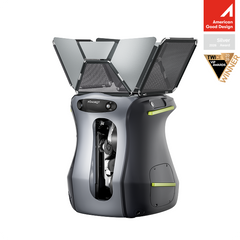
Reserve the PongBot Aura to bring AI-guided multi-sport training, including pickleball, to your own court.
You May Also Like
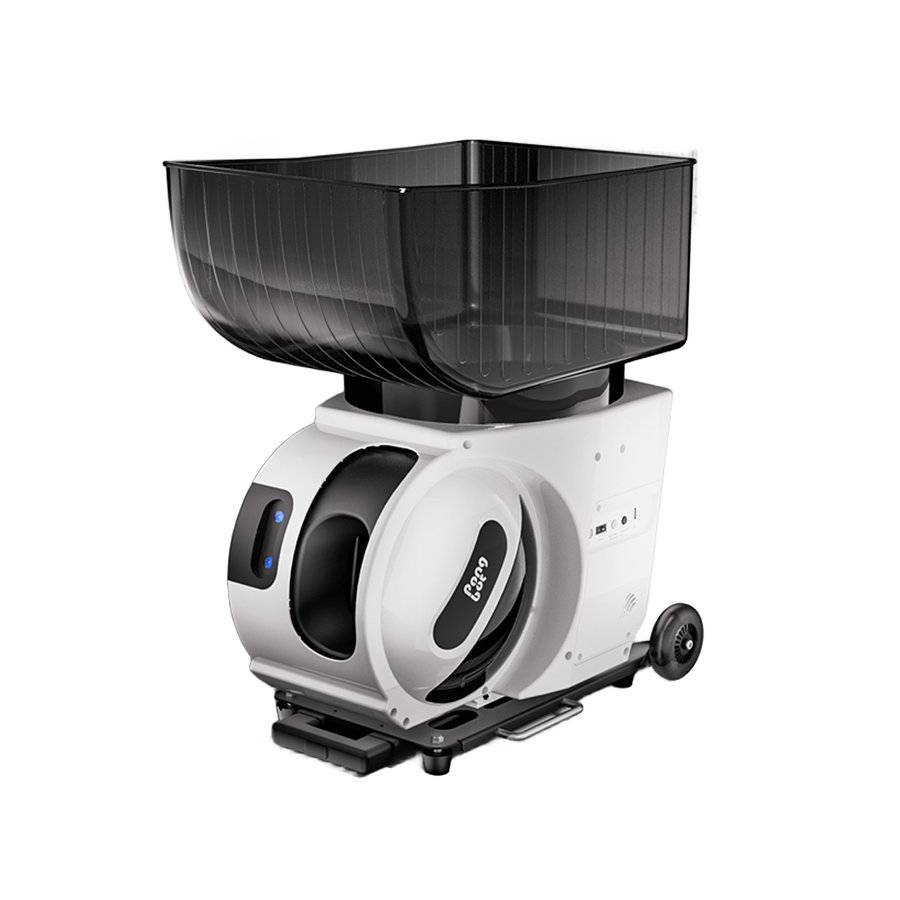
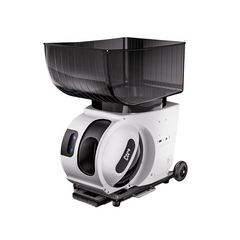
Build focused tennis sessions with smart, repeatable ball feeds.
View Product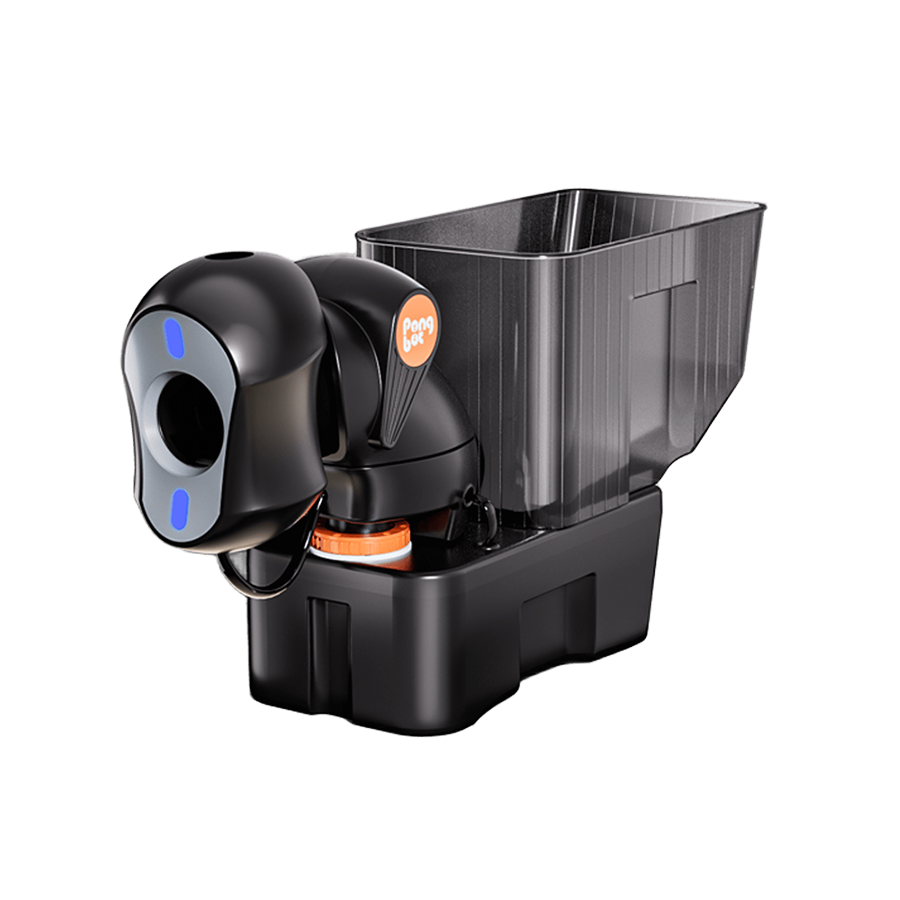
Practice table tennis drills with consistent and adjustable feeds.
View Product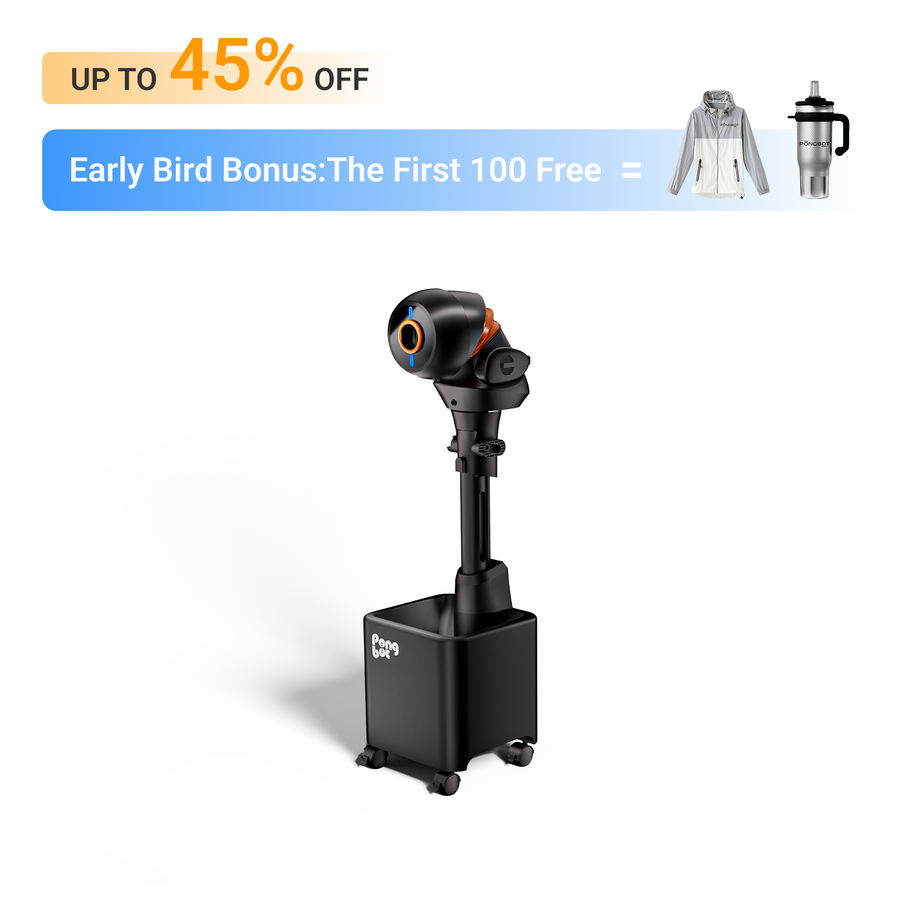
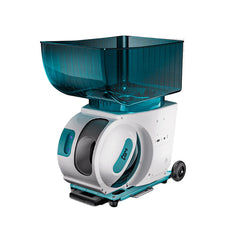
Train your timing, placement, and reactions with repeatable feeds.
View Product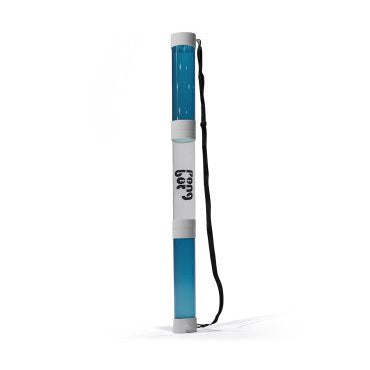
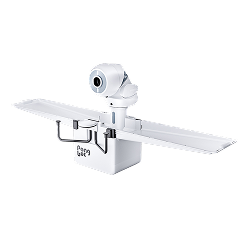
Collect tennis and pickleballs faster between practice rounds.
View Product

