










Choosing a tennis ball machine is not simply a matter of comparing maximum speed, spin, or battery life. Different machines are designed around different training styles: some prioritize straightforward repetition, while others offer extensive drill customization or more interactive, movement-responsive practice.
The Slinger Bag, Lumistar Tero, Pongbot Pace S Pro, and Acemate S10 illustrate four distinct approaches to solo tennis training. Each has its own combination of portability, control options, ball delivery, and technology.
For players deciding which equipment best suits their needs, the most useful question is not necessarily which machine has the longest feature list. It is which one supports the way they want to practise.
Quick takeaway: The Pongbot Pace S Pro is geared toward structured, higher-intensity practice, combining powerful ball delivery, player-position tracking, and extensive drill customization. Other machines may appeal more to players who prioritize simple operation, portability, or a more reactive rally experience.
Four Tennis Ball Machines, Four Different Approaches
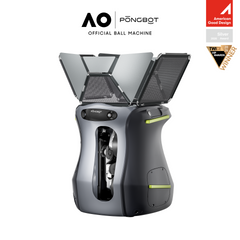
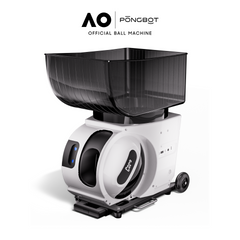
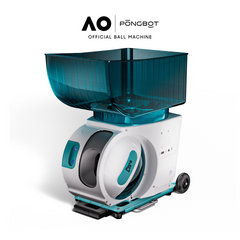
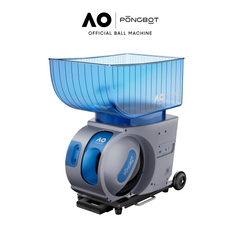
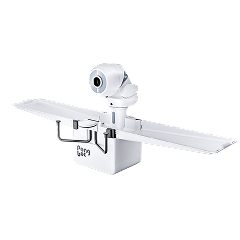
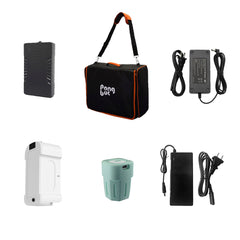
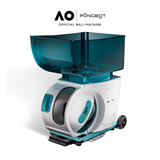
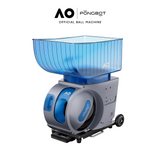
Pongbot Pace S Pro
Built around structured training, movement tracking, a large preset drill library, and customizable ball delivery. It suits players who want to work systematically on footwork, consistency, and demanding shot combinations.
Lumistar Tero
Emphasizes portability, quick setup, app controls, voice commands through a wristband, and a mix of preset and custom drills. Its lightweight design may appeal to recreational players who value convenience.
Acemate S10
Uses cameras to track returned balls and a mobile robot design to adjust its position. Its reactive timing aims to make solo practice feel more like a rally than a conventional programmed feed.
Slinger Bag
Offers a more traditional ball-launching experience with straightforward controls and a bag-style design. It is aimed at players who mainly want repeatable feeds without a complex connected training system.
How the Key Specifications Compare
The following figures are drawn from the source comparison published in August 2026. Specifications and product configurations can change, so check each manufacturer's current product information before purchasing.
| Feature | Slinger Bag | Pongbot Pace S Pro | Lumistar Tero | Acemate S10 |
|---|---|---|---|---|
| Maximum speed | 45 mph | 80 mph | 87 mph | 60 mph |
| Spin options | Topspin | Topspin, backspin, no spin | Topspin and slice | Topspin and slice |
| Ball capacity | Up to 144 | 150+ | 80+ | Up to 80 |
| Reported battery life | 3.5–5 hours | 8+ hours | Up to 4 hours | Up to 2 hours |
| Approximate weight | 15 kg | About 21–22 kg, depending on specification | 11.7 kg | 17.8 kg |
| Controls | Machine controls and remote | App and remote | App and voice-control wristband | App |
| Player tracking | No | 100Hz movement tracking | Wristband-based position sensing; camera features depend on model | Dual-camera tracking |
| Reacts to the returned ball | No | Tracks player position and recovery, not the return trajectory | Does not track the return in the same way as Acemate | Yes, tracks the return and adjusts robot movement |
Maximum speed is only one part of the comparison. A machine with a higher advertised speed may not be the best match for a player who prioritizes movement drills, convenient transport, or varied training routines. The way a machine delivers and sequences its feeds can be just as important as its top-end specifications.
Why Pongbot Pace S Pro Stands Out for Structured Training
The Pace S Pro combines ball delivery with movement-aware features designed to make practice more systematic. Rather than relying solely on a repeating feed interval, its tracking system monitors player position and supports training modes that incorporate recovery into the sequence.
For players who want to improve footwork alongside stroke consistency, this distinction matters. Tennis requires more than reaching the ball and making contact: players must also regain balance and prepare for the next shot.
Movement Tracking and Recovery Trigger
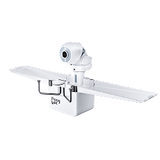
The Pace S Pro's movement-tracking system operates at a stated 100Hz sampling rate. Its Recovery Trigger feature is designed to wait for the player to return to a designated recovery position before delivering the next ball.
This can help players connect their strokes with the movement that follows. Instead of rushing through a predetermined sequence, they can focus on hitting, recovering, and preparing for another shot.
Adaptive Rally adds another way to make practice more responsive to player positioning and recovery. These features do not mean the machine reads the trajectory of a returned ball like a camera-based reactive robot, but they offer a different approach to making solo drills more demanding.
Designed to Make Footwork Part of the Drill
For players who tend to focus on their swing while neglecting recovery, movement-aware training can provide a useful reminder to reset between shots.
With appropriate settings, the Pace S Pro can support sessions that combine stroke execution, court coverage, and recovery positioning. Players can adjust the level of challenge to suit their experience and training goals.
A Large Library of Drills and Customization
The Pace S Pro offers more than 500 preset drills, with the current product page listing 564+ drills. Players can also create custom sequences and adjust variables such as speed, spin, placement, and timing.
This flexibility makes it possible to organize practice around particular skills instead of relying on a single repetitive feed. For example, a player might begin with consistent baseline shots, move on to alternating forehand and backhand placements, and finish with shorter balls that require forward movement.
More advanced players can build varied sequences that challenge movement and preparation across different areas of the court. Players who are still developing their technique can use simpler drills and gradually increase the difficulty as their consistency improves.
Speed, Spin, and Extended Sessions
With a stated maximum speed of 80 mph and spin output of up to 60 revolutions per second, the Pace S Pro offers a broad range of ball delivery settings. It supports topspin, backspin, and no-spin feeds, with spin switching in as little as 1.5 seconds.
The machine's 150+ ball capacity and rated battery life of up to eight hours also support longer practice sessions with fewer interruptions for reloading or charging. Actual runtime depends on the settings and conditions of use.
These capabilities are particularly relevant to players who want to build demanding routines or repeat specific shot combinations over an extended period.
When Portability and Simplicity Matter More
Not every player needs advanced movement tracking or an extensive drill library. For some, the priority is getting a machine onto the court quickly and hitting a consistent stream of balls with minimal setup.
Lumistar Tero: A Portable Training Option
The Tero's lighter frame and quick setup make it appealing to recreational and intermediate players who move their equipment frequently. App controls, voice commands, and a combination of preset and custom drills offer convenience without making advanced training technology the main focus.
Its appeal is everyday usability: players can spend less time preparing the equipment and more time practising.
Slinger Bag: Straightforward Repetition
Slinger's bag-like design combines ball launching with space for tennis equipment. Its controls are comparatively simple, making it a practical option for players who mainly want repeated feeds and do not require connected training features.
Its limitations include lower maximum speed and fewer spin and drill customization options. For players who only need basic repetition, however, simplicity may be an advantage rather than a drawback.
Acemate S10: A Different Kind of Solo Tennis
The Acemate S10 takes a more reactive approach to practice. Its dual cameras track the ball returned by the player, while the robot moves across the opposite side of the court to adjust its position and the timing of the next feed.
This is different from a conventional machine that remains in place and delivers a programmed sequence. By responding to the returned ball, the S10 aims to create a more natural rhythm, encouraging players to recover and prepare for the next shot as they would during a rally.
The system also offers shot maps and session data, which can help players review aspects of their practice. Its moving design and camera system make it a distinctive option for people who find fixed feeds too predictable.
There are trade-offs. The source comparison lists a lower maximum speed and shorter rated battery life than the Pace S Pro, while the mobile design may be less convenient to transport over longer distances. Players prioritizing high-speed feeds and extensive structured drills may therefore prefer a different training approach.
Which Tennis Ball Machine Fits Your Playing Style?
The most suitable machine depends on your experience, practice goals, budget, and willingness to use advanced features. Here is a simple way to narrow down the options.
- Choose Pongbot Pace S Pro if you want powerful ball delivery, movement tracking, extensive drill customization, and structured practice that emphasizes footwork and recovery.
- Consider Lumistar Tero if portability, quick setup, and convenient controls are central to your routine.
- Consider Acemate S10 if you are particularly interested in a moving robot that tracks returned balls and aims to create a more reactive rally experience.
- Consider Slinger Bag if your main goal is straightforward repetition without needing a large library of connected or adaptive features.
It's also worth considering how often you will use the machine. A feature-rich model makes the most sense when its capabilities support your regular training. If you mainly want occasional, uncomplicated feeds, a simpler design may be sufficient.
Why Training Goals Matter More Than a Spec Sheet
Comparing tennis ball machines solely by speed or capacity can obscure what makes each system useful. A high-speed launcher, a portable practice partner, and a reactive tennis robot solve different problems.
The Pace S Pro's strengths are its combination of player tracking, customizable drills, ball delivery options, and capacity for longer sessions. These features make it particularly suited to players who want to plan their practice and progressively challenge their movement and shot consistency.
Its size and weight are practical considerations, and its advanced features may be unnecessary for someone who only wants basic feeds. But for players who intend to use structured drills and movement-aware modes regularly, the additional capabilities can provide more ways to organize a session.
Explore Pongbot Pace S Pro
Discover the features, specifications, and training options of the Pace S Pro to see whether its approach to structured tennis practice fits your game.
View Pace S Pro


