










Artificial intelligence is moving beyond smartphones, fitness apps, and wearable devices. As connected technology becomes more capable of analyzing performance and adapting to individual needs, AI is beginning to play a more direct role in sports training. The emergence of multi-sport training robots is one example of this shift.
Pongbot Aura Introduces a New Approach to Sports Training
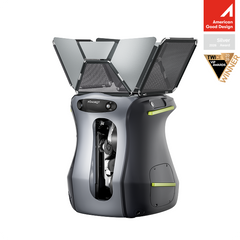
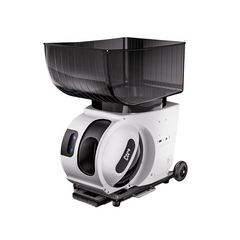
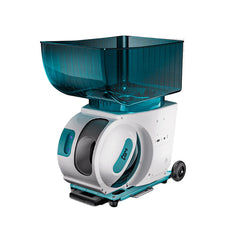
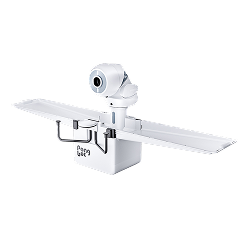
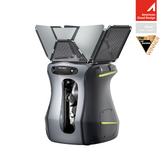
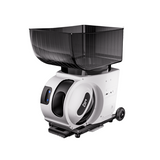
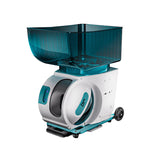
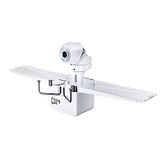
Pongbot Aura is designed to bring AI-assisted training to three popular racket sports: tennis, pickleball, and padel. Instead of requiring a separate ball machine for each sport, Aura combines multiple training modes within one portable platform, with settings controlled through the Pongbot app.
The robot is designed to support adjustable ball placement, speed, spin, and training combinations. Players can use the app to select existing drills, customize practice sessions, or describe their training goals to receive more personalized recommendations.
What's Driving This Trend?
Consumer AI Coaching
AI-powered coaching tools are making personalized training more accessible to everyday athletes. Rather than relying exclusively on fixed practice routines, players can use connected technology to identify training goals, adjust exercises, and receive guidance based on their individual needs.
With its app-based training tools and AI-assisted features, Pongbot Aura reflects the growing movement toward more responsive coaching experiences outside traditional professional environments.
Multi-Sport Hardware Convergence
Tennis, pickleball, and padel have distinct court layouts, ball characteristics, and training requirements. Traditionally, players looking to practice different sports may need separate pieces of specialized equipment.
Multi-sport robots such as Aura point toward a different hardware model. By adapting its training system for different sports, one device can support a wider range of activities and appeal to players, families, coaches, and clubs with varied training needs.
Community-Driven Training Libraries
Connected sports equipment is also creating new opportunities for community-based training content. Instead of relying only on manufacturer-created programs, players can discover, customize, and share drills through a connected app ecosystem.
This approach turns individual practice into a more collaborative experience, allowing training ideas to circulate among players and giving users more ways to build sessions around their own goals.
Who This Trend Could Affect
Sports Equipment Manufacturing
AI, computer vision, and mobile connectivity are shifting sports equipment from static hardware toward more adaptable, software-supported products. Future equipment may increasingly depend on firmware updates, modular features, and ongoing digital improvements.
Fitness and Coaching Platforms
AI-assisted training robots can provide structured practice, performance data, and personalized recommendations. This creates new possibilities for coaching platforms that combine physical equipment with digital training services.
Consumer Robotics and IoT
Portable, connected robots are extending robotics into everyday recreational activities. Sports training is one area where mobile control, sensors, computer vision, and software-based features can work together in a consumer-focused product.
The Broader Direction of AI-Powered Training
The development of multi-sport training robots reflects a broader movement toward connected, personalized, and adaptable sports equipment. Rather than functioning only as traditional ball machines, products such as Pongbot Aura combine physical training, mobile software, AI-assisted coaching, and community-based content within one system.
As these technologies continue to develop, AI may become a more integrated part of how recreational players, coaches, and sports communities practice and improve.
Article inspired by: AI Multi-Sport Training Robots — Trend Hunter
Learn more about Pongbot Aura: Pongbot Aura AI Multi-Sport Training Robot


