









A good ball machine can turn solo practice into a focused workout for your tennis or pickleball game.
Instead of waiting for a partner, you can repeat the same shot, work on footwork, or increase the speed once you're ready. The hard part is finding a machine that actually matches your sport, court, ball type, and training goals, since "multi-sport" doesn't always mean what it sounds like. Below, we cover what to look for in the best multi-sport ball machine, including an accurate look at PongBot's own multi-sport robot, the Aura.
- The best multi-sport ball machine should offer reliable feeding, useful speed control, and easy transport
- Tennis and pickleball machines are not always compatible with the same balls, so confirm compatibility before buying
- A table tennis robot is usually a separate type of training product from a tennis or pickleball machine
- Topspin, backspin, oscillation, and adjustable feed frequency make practice more useful
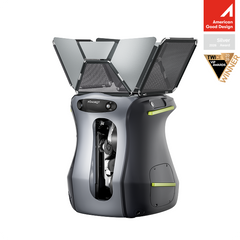
- The PongBot Aura is a single chassis built to physically reconfigure for tennis, pickleball, and padel
- Choose based on your main sport, practice space, budget, and need for portability
Best Multi-Sport Ball Machine at a Glance
The right choice depends on whether you mainly play tennis, pickleball, or both. A strong multi-sport option should provide consistent feeds while keeping setup simple.
| Feature | What to Look For |
|---|---|
| Sports | Tennis and pickleball support, ideally from the same chassis |
| Feed Control | Adjustable speed and frequency |
| Ball Placement | Straight, side-to-side, short, and deep feeds |
| Spin | Topspin, backspin, or no-spin settings |
| Capacity | Enough balls for your normal session |
| Battery | Several hours of practical training |
| Portability | Wheels, handle, and manageable weight |
| Controls | Onboard, remote, voice, or app controls |
| Support | Warranty and replacement parts |
Meet the PongBot Aura: A True Multi-Sport Machine
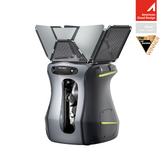
Most "multi-sport" ball machines are really single-sport machines that happen to accept a couple of ball types. The PongBot Aura is built differently. It uses a patented adaptive wheel track and auto-calibrated ball feed that physically reconfigure the hardware for tennis, pickleball, and padel, fitting ball sizes from 40 mm to 80 mm from the same 7 kg chassis.

Real, verified features from PongBot's own product page include:
- Tennis, Pickleball, and Padel modes on one adaptive chassis
- Real-time AI form coaching that reads grip pressure, swing path, and follow-through
- Upload-a-match training that recreates real shot patterns for you to practice
- LLM-powered natural language voice control (for example, "give me a fast cross court with heavy topspin")
- Recovery Trigger, which waits until you're back in position before releasing the next ball
- Match Challenge, which varies spin, speed, and placement to mimic a real opponent
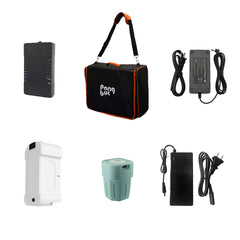
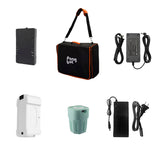
- A 5-hour swappable battery with Type-C fast charging
- 120-ball capacity and 10,000+ built-in drills
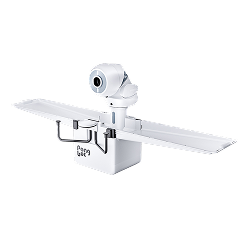
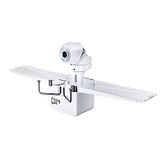
- An optional standalone Spotter camera module (120fps, 180° court coverage) for automated scoring, live streaming, and highlight reels
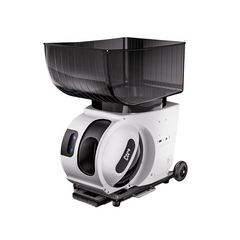
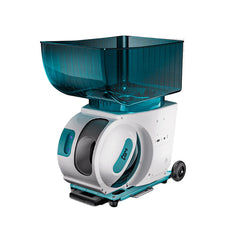
As of this writing, Aura is being offered through a reservation campaign rather than standard checkout, with public reporting citing an introductory price around $499 and a planned $999 price once that window closes. Availability, pricing, and shipping timelines can change, so confirm current details on PongBot's Aura page before reserving. It's also worth noting that PongBot's existing Pace-series tennis machines are not pickleball-compatible, which is exactly the gap Aura is designed to close.
How to Choose the Best Multi-Sport Ball Machine
A machine can have many features and still be a poor choice if it does not fit your normal training routine. Focus on compatibility, control, durability, and ease of use before looking at advanced extras.
Tennis and Pickleball Compatibility
First, check whether the machine is made for both tennis balls and pickleballs. These balls differ in size, weight, bounce, and shape, so a tennis-only machine may not feed pickleballs correctly.
Before buying, confirm the approved ball types, whether a ball-size adjustment is needed, whether a separate attachment is required, whether indoor and outdoor pickleballs are supported, and whether the warranty covers the ball type you plan to use. Never assume that the phrase "multi-sport" means one machine supports every racket sport.
Speed and Feed Frequency
Adjustable speed helps you match the machine to your skill level. Beginners can start slowly, while advanced players can use faster feeds to work on reaction time and recovery.
Feed frequency controls how much time you have between shots. A slower setting works well for learning technique, while a faster setting creates a more demanding footwork workout.
Spin Settings
Spin makes practice feel more like a real rally. Topspin is useful for high-bouncing shots, while backspin helps you prepare for slices, drops, and lower balls. Useful settings may include topspin, backspin, no-spin feeds, mixed spin, and side spin for table tennis equipment.
If you are buying related training gear, choose quality tennis balls and pickleballs as well. Consistent balls make the machine feed more smoothly and help you judge your shots accurately.
Ball Placement and Oscillation
A machine that only feeds straight ahead can help with basic strokes, but side-to-side movement creates better training. Horizontal oscillation makes you move between forehand and backhand positions.
Vertical adjustment is also valuable. It lets you practice short balls, deep shots, higher feeds, and different contact points. Look for side-to-side feeds, random placement, short and deep settings, adjustable launch angle, two-line drills, and full-court movement patterns.
Battery Life and Portability
A portable ball machine should be easy to move from your home to the court. Wheels, a strong handle, and a compact design can make a big difference after a long practice session.
Check the practical battery runtime instead of relying only on the advertised maximum. Speed, oscillation, temperature, and battery age can all change how long the machine lasts.
Best Multi-Sport Ball Machine for Tennis Training

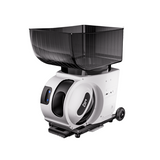
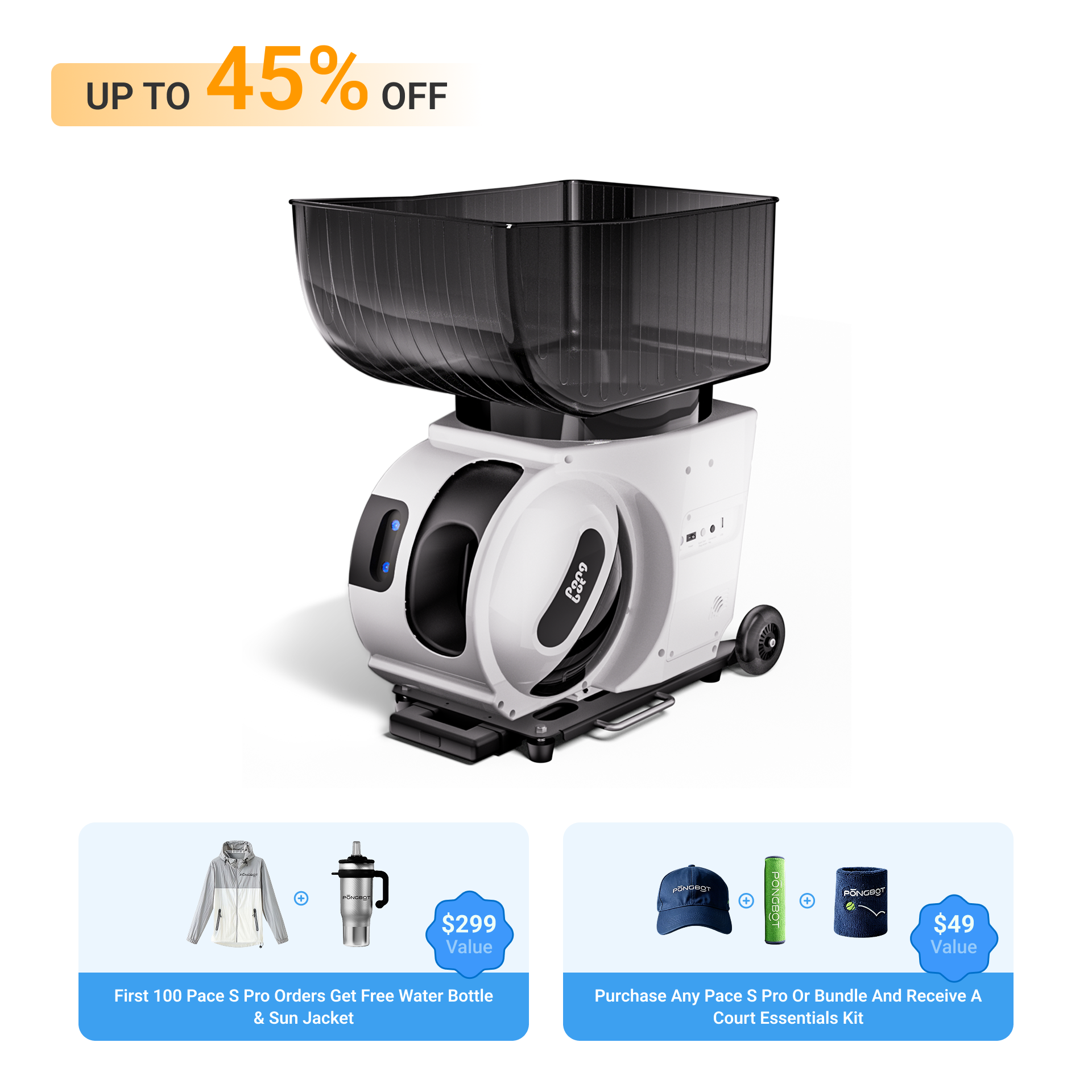
Tennis players need a machine that can repeat groundstrokes while also supporting movement and reaction drills. The best model should give you enough control to practice both steady technique and match-style patterns. If tennis is your only focus, a dedicated tennis machine like the Pace S Pro can offer a higher top speed and spin range than a multi-sport chassis has to budget for.
Tennis Drills to Try
- Forehand and backhand repetition
- Cross-court and down-the-line feeds
- Alternating forehand and backhand shots
- Short-ball approach and deep-ball recovery drills
- Volley practice and reaction training
- Serve-plus-one patterns
Start with predictable feeds and clean contact. Once your timing improves, add oscillation, speed, and spin.
Tennis Balls for Machine Practice
Pressureless tennis balls are often popular for ball-machine training because they can last longer during repeated feeding. However, compatibility varies, so always follow the machine maker's instructions and use balls that are clean, dry, and free from heavy wear.
Best Multi-Sport Ball Machine for Pickleball Training
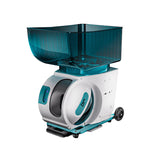
Pickleball players benefit from controlled feeds that copy common rally situations. A good machine can help you repeat drives, dinks, third-shot drops, resets, and volleys without needing a partner. This is where a true multi-sport chassis like the Aura matters most, since PongBot's tennis-only Pace series is not built for pickleballs.

Pickleball Drills to Practice
- Forehand and backhand drives
- Cross-court and straight-ahead dinks
- Third-shot drops and transition-zone resets
- Deep returns and fast volley exchanges
- Lob defense and side-to-side footwork
Use slower feeds for touch shots and increase the speed for drives and reaction drills. Outdoor pickleballs can behave differently from indoor balls, so choose the ball type that matches your usual court.
Can One Machine Also Train Ping Pong?
Tennis and pickleball machines are built for court-sized balls, while ping pong robots use smaller table-tennis balls and focus on accurate placement over a table. The two types of machines usually serve different purposes, and the Aura's expandable ball system is aimed at larger diameters, not smaller table tennis balls.
If table tennis is part of your training plan, look for a dedicated table tennis robot. A suitable robot should offer topspin, backspin, side spin, ball recycling, and adjustable landing points. Do not place ping pong balls in a tennis or pickleball machine unless the manufacturer clearly approves them.
Table tennis rackets and serving robots can help improve consistency at home. The Omni S Pro, Nova S Pro, and Halo S Pro are worth considering for players who want structured training without needing another person every time.
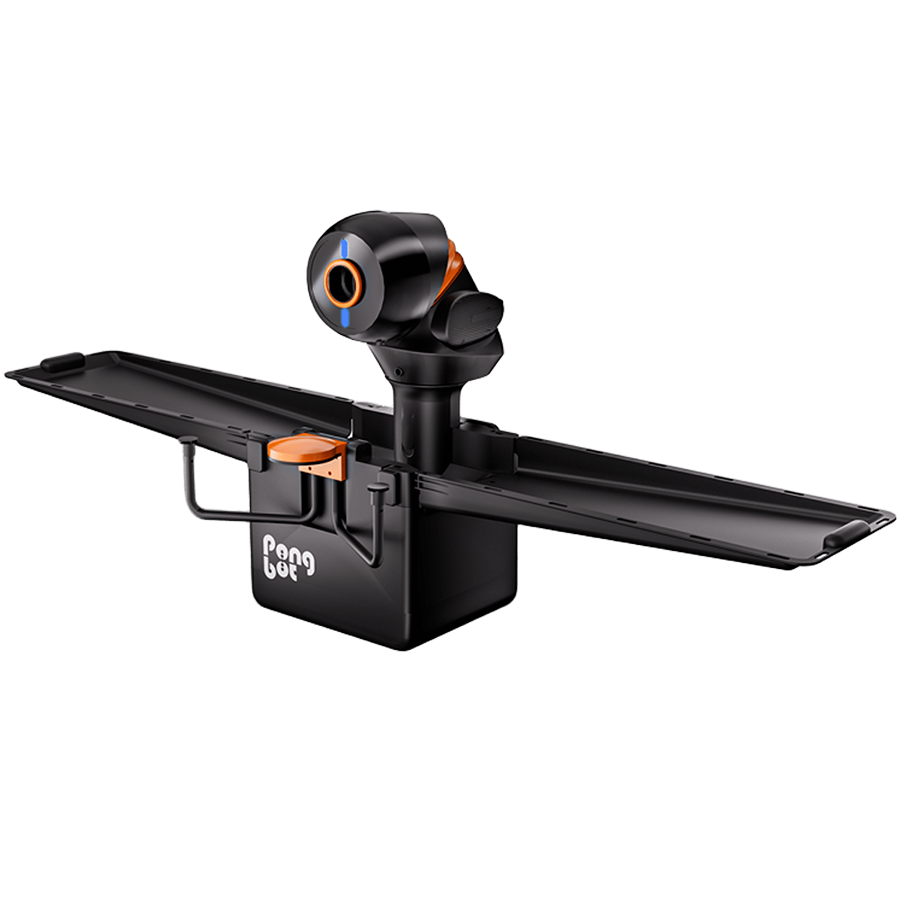
Clip-on serving robot with 100 r/s spin, 522+ drills, and a large E-Pad S touchscreen for hands-free solo training.
$1,099.99 $1,599.99
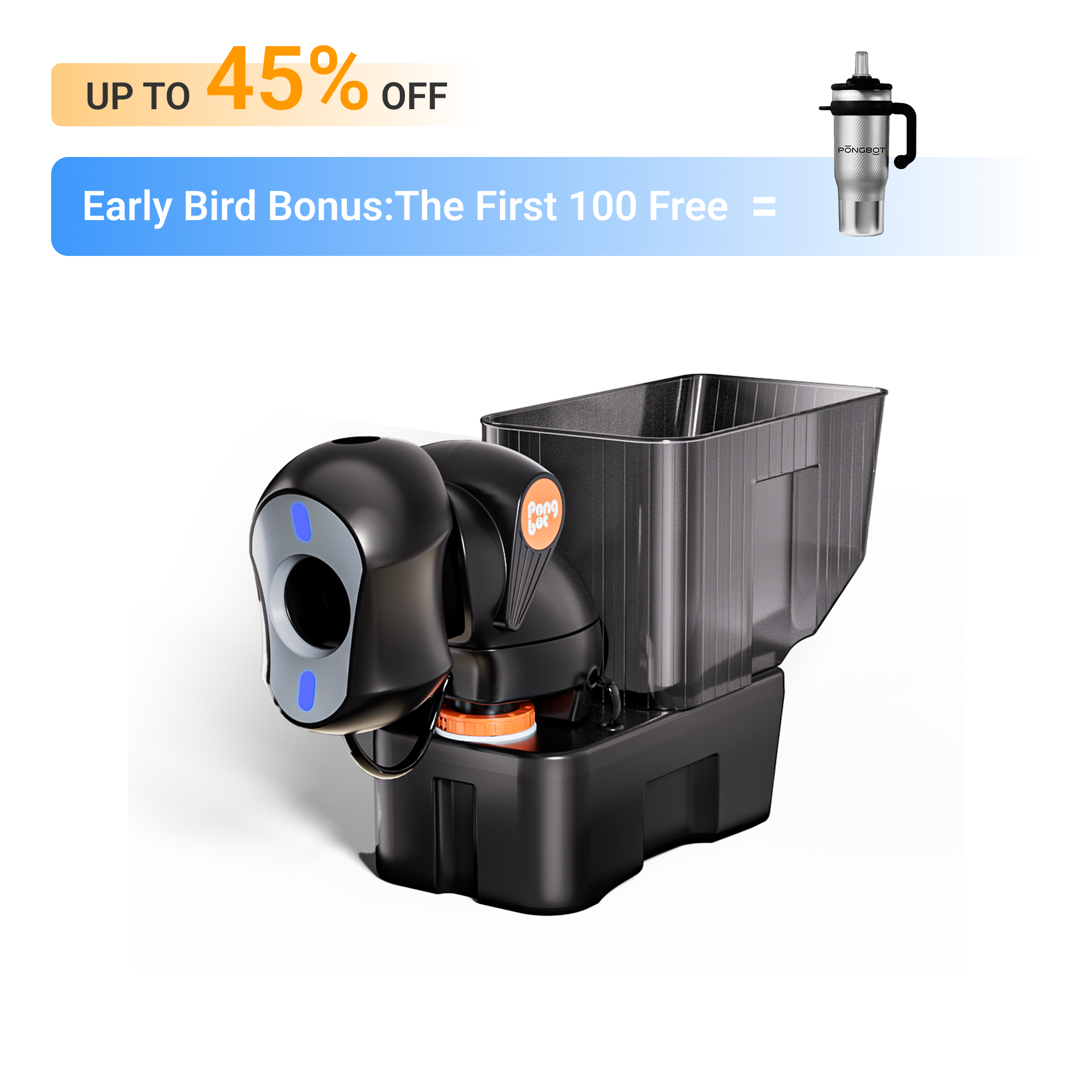
A backpack-portable robot with 264+ drills and 150-ball capacity, built for quick setup on any home table.
$299.99 $399.99
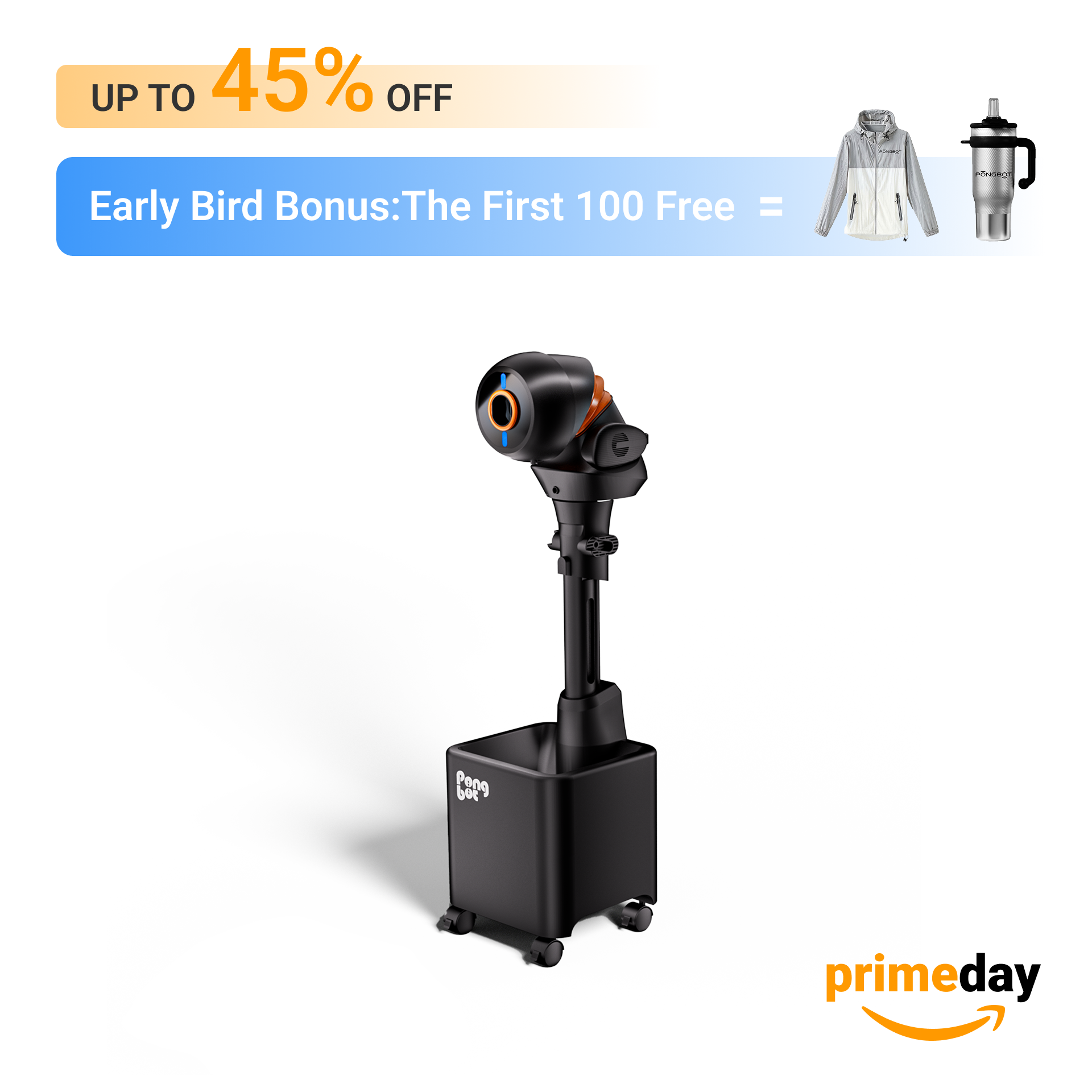
Floor-standing robot with 702+ drills and full-table oscillation, built for players who train like it's match day.
$1,499.99 $1,999.99
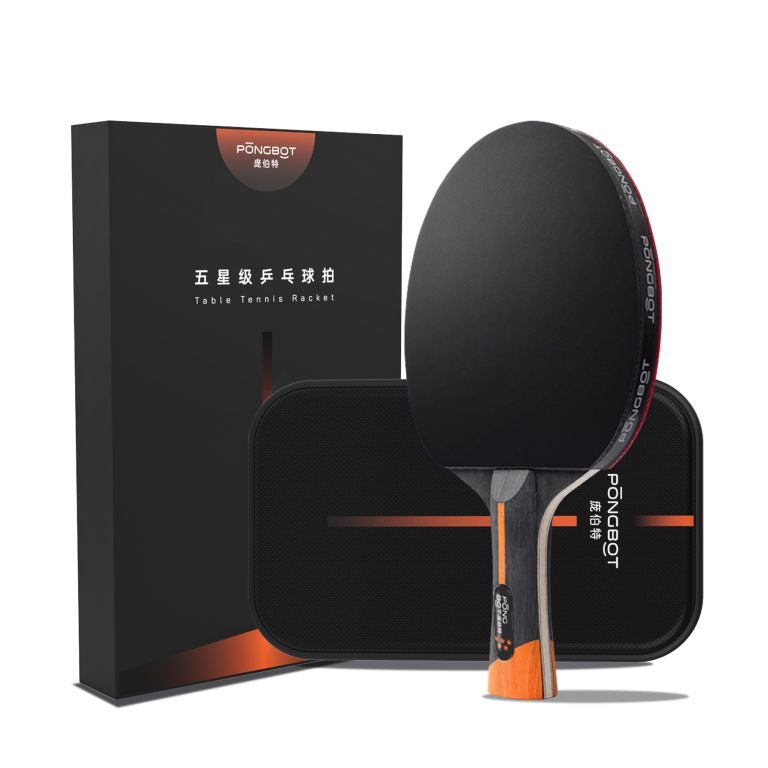
Best Multi-Sport Ball Machine Features for Different Players
Different players need different features, so the most expensive machine is not always the best option. Match the machine to how often you train and what you want to improve.
Best for Beginners
- Simple controls and slow feed settings
- Reliable straight feeds and easy setup
- Good safety instructions and moderate weight
- Strong warranty
A beginner does not need every advanced drill. Consistent contact and good footwork matter more than a long feature list.
Best for Intermediate Players
- Oscillation and adjustable speed
- Spin settings and short/deep feeds
- Remote control and better battery life
- Larger ball capacity
These features help you move from basic repetition to more realistic practice.
Best for Coaches and Advanced Players
- Programmable drills and random placement
- High feed speed and strong spin control
- Large capacity and long battery life
- Durable construction and easy player-to-player setup
Coaches may also benefit from ball carts, collection nets, and other sports accessories that reduce setup time.
How Much Does a Decent Multi-Sport Ball Machine Cost?

Prices vary based on sport compatibility, battery size, controls, capacity, and construction. A simple machine may be affordable for beginners, while a true multi-sport model with advanced controls costs more. As one real data point, PongBot has publicly positioned Aura's reservation pricing around $499 during its introductory window, with a planned $999 price once that window ends.
Entry-Level Models
These usually offer basic speed and frequency controls. They are suitable for occasional practice and players who want simple repetition.
Mid-Range Models
Mid-range machines often add oscillation, better battery life, more placement options, and stronger construction. This category is usually the best value for regular tennis or pickleball players.
Premium Models
Premium machines may include programmable drills, app controls, advanced spin settings, high capacity, and multi-sport accessories. They make the most sense for serious players, coaches, and families who will use the machine often.
Remember to budget for tennis balls, pickleballs, ping pong balls, replacement batteries, covers, conversion parts, collection nets, and shipping or repairs.
Common Buying Mistakes to Avoid
Buying Without Checking Ball Compatibility
A machine may support tennis but not pickleball, or it may require an approved adapter. Read the product details before buying.
Choosing a Machine That Is Too Heavy
A large machine may hold more balls, but it can be difficult to load into a car or move around the court. Consider how often you will transport it.
Ignoring Replacement Parts
Check whether batteries, wheels, feed rollers, remotes, and chargers are available. Good support can save money over time.
Using Worn or Wet Balls
Damaged balls can feed poorly and may cause jams. Clean, dry, approved balls give more reliable results.
Expecting the Machine to Replace Match Play
A ball machine improves repetition, timing, and movement. It does not replace strategy, decision-making, communication, or the pressure of playing a real opponent.
Is a Multi-Sport Ball Machine Worth It?
A multi-sport ball machine can be a smart purchase if you play tennis and pickleball regularly or want flexible solo practice. It gives you control over pace, placement, and repetition, which makes it easier to work on specific weaknesses.
It may not be worth the cost if you rarely practice alone or only need a basic feed for one sport. In that case, a simpler tennis machine, pickleball serving robot, or occasional partner practice may offer better value.
The best multi-sport ball machine should make practice easier, more consistent, and more enjoyable. Look for approved tennis and pickleball compatibility, adjustable speed, useful placement controls, reliable battery life, and a design you can move without trouble. The PongBot Aura is the clearest example of a true multi-sport machine in PongBot's lineup, since it's the one built from the ground up to reconfigure for tennis, pickleball, and padel rather than treating a second sport as an afterthought. Round out your setup with quality balls, a racket, and a table tennis robot if ping pong is part of your training too.
Frequently Asked Questions
What is the best ball machine?
The best ball machine depends on your main sport, skill level, budget, and training space. For tennis and pickleball, choose a model with adjustable speed, feed frequency, placement, and spin, and confirm that it supports the exact balls you plan to use. A dedicated table tennis robot is usually better for ping pong practice.
Are ball machines worth it?
Ball machines are worth it for players who want regular solo practice. They help improve timing, stroke consistency, footwork, and reaction speed through repeated feeds. They cannot copy every part of a real match, so partner drills and games are still important. Frequent users usually get the most value from the purchase.
Are ball machines worth it for pickleball?
Yes, a ball machine can help pickleball players practice dinks, drives, drops, resets, volleys, and footwork. It is especially useful when a partner is not available. Players should still practice with people to improve strategy, shot selection, and game awareness. Check that the machine is approved for pickleballs before using it.
How much is a decent multi-sport ball machine?
A decent machine can range from an entry-level price to a premium investment, depending on its features and sport compatibility. Basic models provide simple feeds, while mid-range models often add oscillation, spin, and better batteries. Premium models may include programmable drills and smart controls. Include balls, accessories, replacement parts, and shipping in your budget.
Is the PongBot Aura available to buy right now?
As of this writing, Aura is offered through a reservation campaign rather than standard retail checkout, so pricing and shipping timelines are still subject to change. Check PongBot's official Aura page for the most current availability and reservation terms before ordering.
Can you use regular tennis balls in a ball machine?
Many machines accept regular tennis balls, but the exact requirements vary by model. Some work better with pressureless balls because they are designed for repeated feeding. Wet, damaged, or very soft balls can cause inconsistent launches or jams. Always check the manufacturer's approved ball list before use.


